Why Concert Risk Assessment is Crucial in Nairobi
Organizing a concert in Nairobi demands meticulous planning, and a thorough risk assessment for concerts is non-negotiable. This process identifies potential hazards before they impact your event. It ensures the safety of attendees, artists, and staff. A robust risk assessment covers everything from crowd management and security to technical failures and emergency response. Without it, you expose your event to unnecessary dangers. Sound Hire Nairobi understands the unique challenges of hosting events in Kenya's vibrant capital. We help you navigate these complexities. Our expertise ensures your concert is not only spectacular but also secure. A proactive approach to identifying and mitigating risks is key to a successful and memorable event experience for everyone involved in Nairobi.
Understanding the Core Elements of a Concert Risk Assessment
A detailed risk assessment for concerts involves several key components. First, hazard identification is paramount. This means systematically looking for anything that could go wrong. Think about potential crowd surges, fire hazards, or even severe weather conditions impacting outdoor venues in Nairobi. Next is risk analysis. Once hazards are identified, you need to evaluate the likelihood of each occurring and the potential severity of its impact. For example, a stage collapse might be low probability but extremely high impact. Then comes risk evaluation. This step prioritizes risks based on the analysis. High-priority risks require immediate attention and mitigation strategies. Finally, risk treatment involves developing and implementing measures to eliminate or reduce the identified risks. This could include hiring extra security, installing fire suppression systems, or creating detailed evacuation plans. Effective implementation ensures that potential problems are addressed before they escalate, making the entire event safer for everyone in Nairobi.

Key Areas to Cover in Your Nairobi Concert Risk Assessment
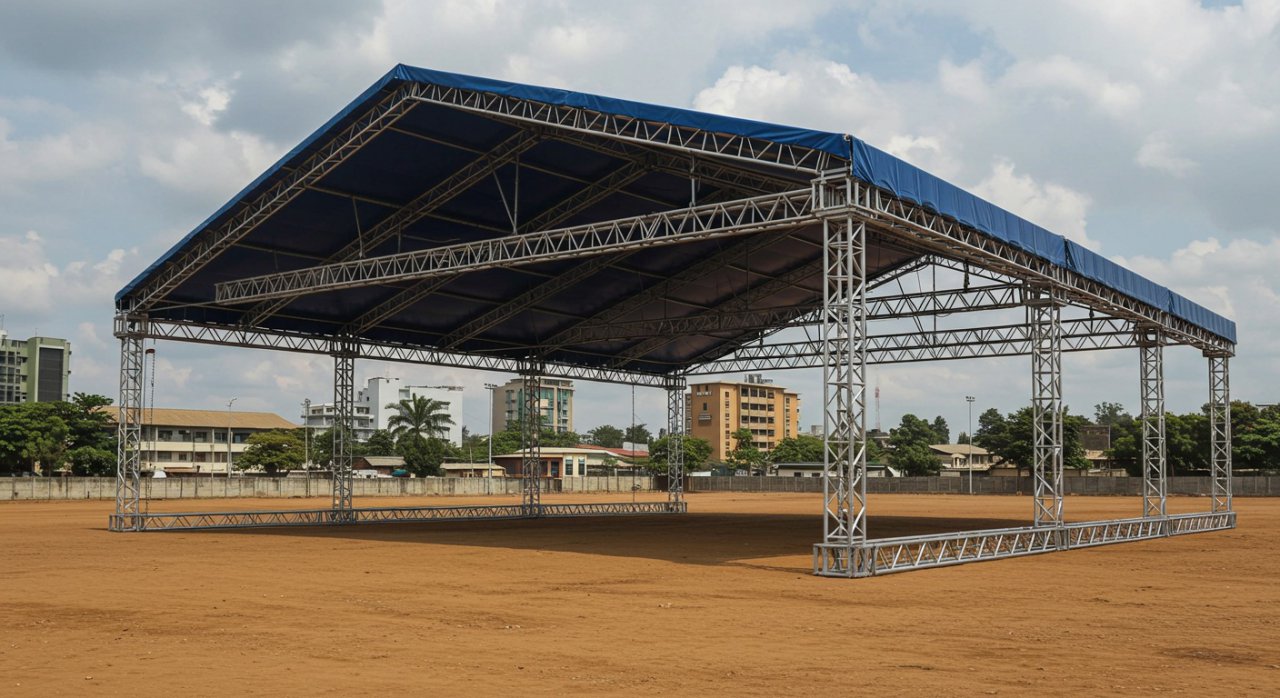
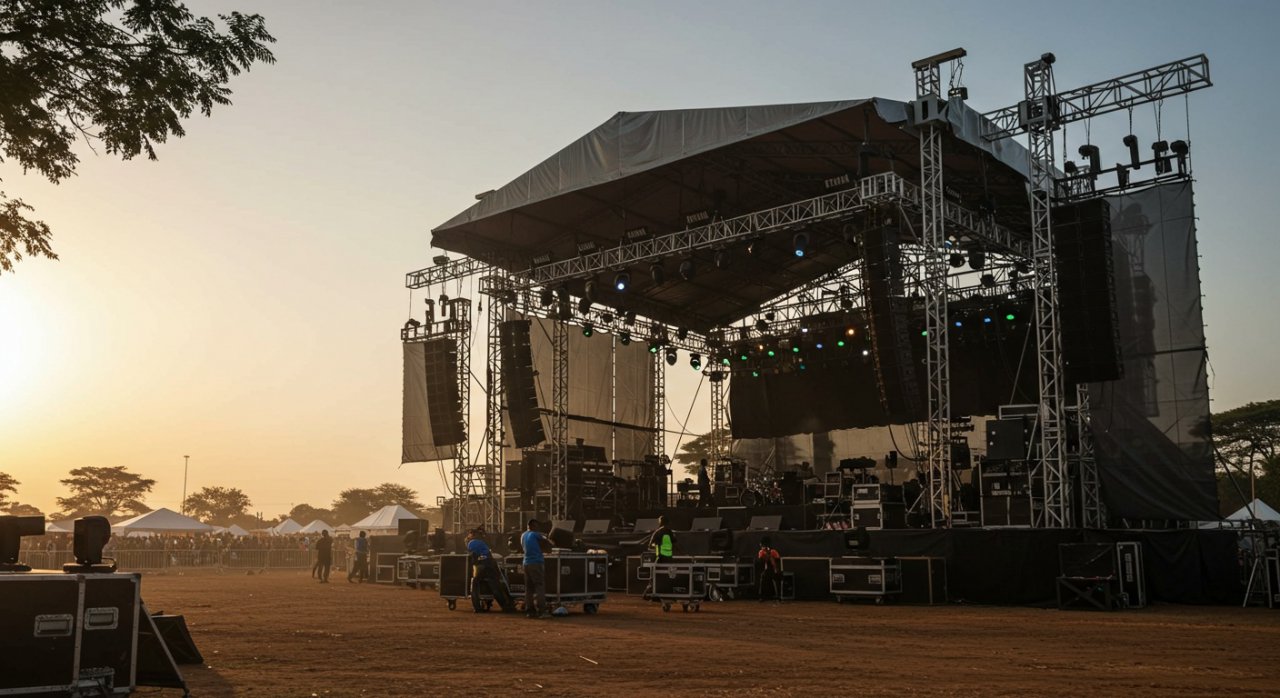
When conducting a risk assessment for concerts in Nairobi, several specific areas demand close attention. Crowd management is a major concern. How will you control entry and exit points? What are your plans for managing large numbers of people in a confined space? Security is another critical aspect. This includes physical security, such as barriers and personnel, as well as surveillance. Technical risks are also vital. Assess the safety of staging, lighting, sound equipment, and power supply. Ensure all equipment is regularly maintained and operated by qualified technicians. Emergency preparedness is non-negotiable. Develop clear protocols for medical emergencies, fires, and security threats. This includes having trained first-aiders on site and well-defined evacuation routes. Environmental factors, like weather, also need consideration for outdoor events. A comprehensive assessment covers all these bases, ensuring a secure environment for your Nairobi concert.
The Role of Professional Event Production in Risk Mitigation
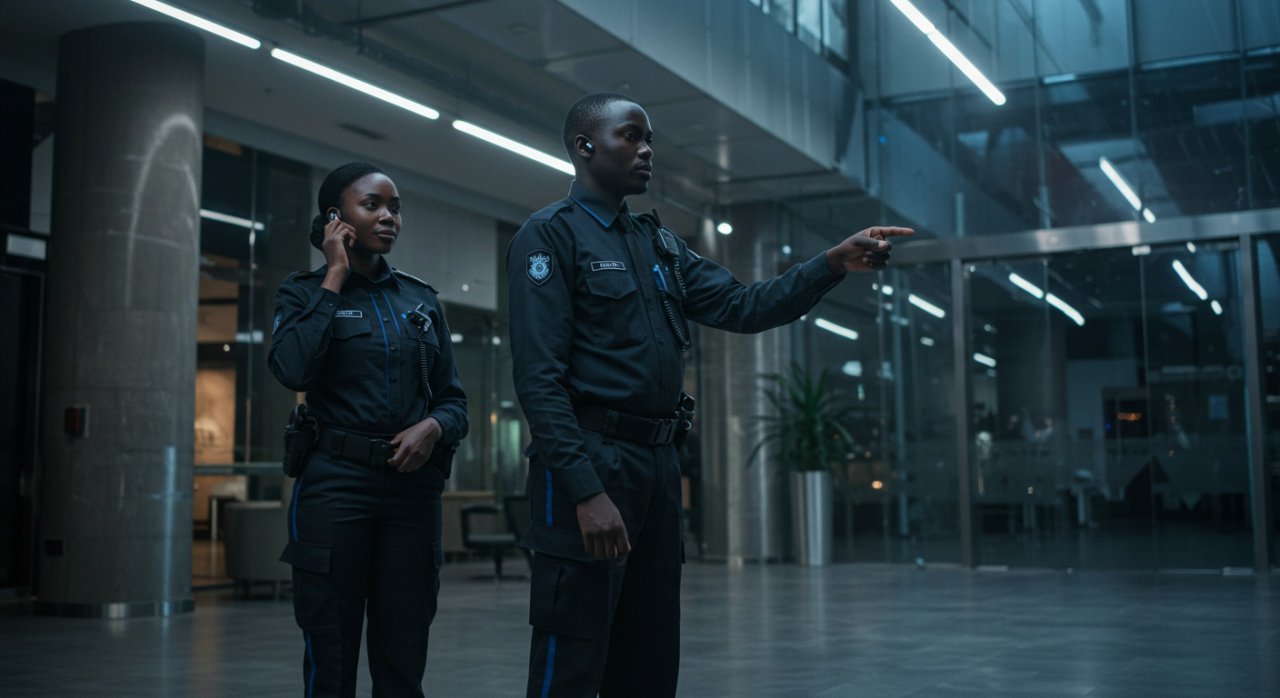
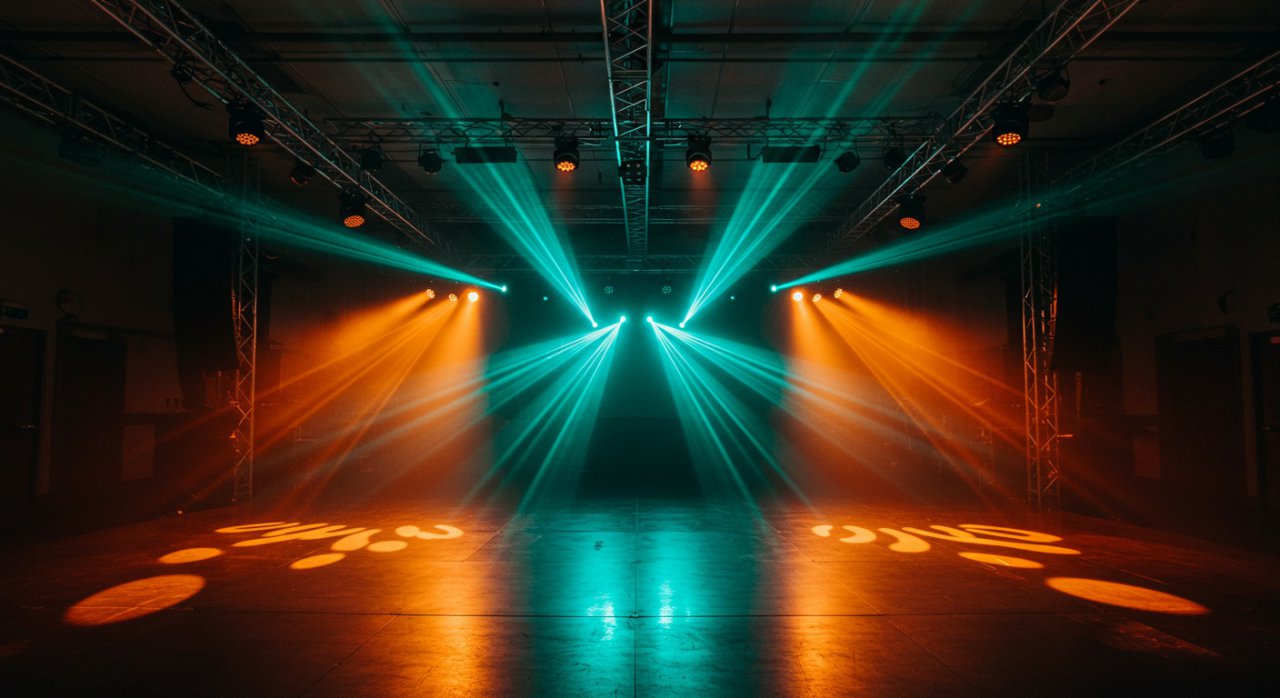
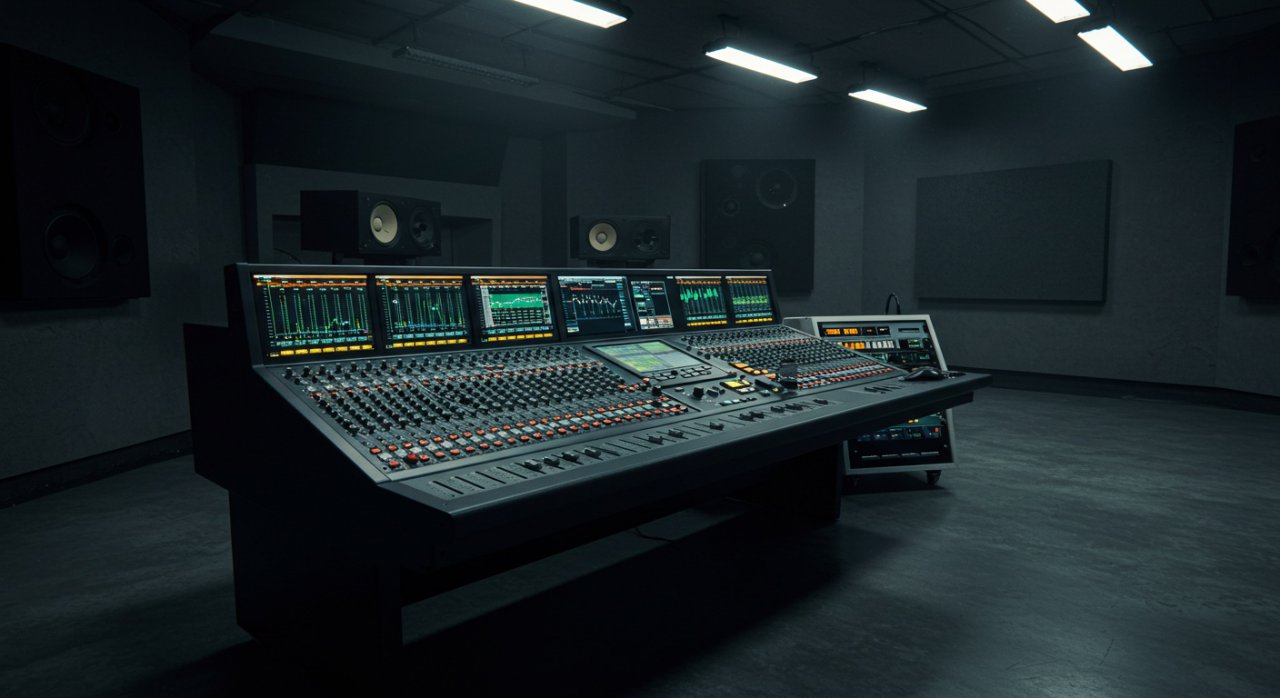
Professional event production companies play an indispensable role in effective risk mitigation for concerts. They bring a wealth of experience and technical knowledge to the table. This expertise is crucial for identifying potential technical hazards that an untrained organizer might overlook. They understand the intricacies of sound systems, lighting rigs, and staging. They ensure equipment is not only high-quality but also installed and operated safely according to industry standards. Furthermore, reputable production agencies often have established relationships with safety and security personnel. This streamlines the process of securing necessary services. They can also advise on compliance with local regulations in Nairobi. By partnering with experts, event organizers gain peace of mind. They can focus on the artistic and entertainment aspects, knowing the technical and safety elements are in capable hands. This collaboration significantly reduces the likelihood of unforeseen incidents.
Legal and Insurance Considerations for Nairobi Concerts
Navigating the legal landscape and securing appropriate insurance are vital components of concert planning in Nairobi. Event organizers must be aware of and comply with all local bylaws and regulations pertaining to public gatherings and entertainment. This may include obtaining permits from city authorities and adhering to noise level restrictions. Insurance is equally important. Public liability insurance is essential to cover potential third-party claims for injury or property damage. Event cancellation insurance can protect against financial losses due to unforeseen circumstances that force a postponement or cancellation. Employers' liability insurance is also necessary if you have staff. A thorough risk assessment directly informs the level and type of insurance coverage required. Consulting with legal and insurance professionals specializing in event management is highly recommended. This ensures you are adequately protected against potential liabilities.
Implementing an Effective Emergency Response Plan
An effective emergency response plan is a critical output of any comprehensive concert risk assessment. This plan outlines the procedures to be followed in case of various emergencies, such as medical incidents, fires, or security breaches. It should clearly define roles and responsibilities for all staff and volunteers during an emergency. Communication protocols are key; how will information be disseminated quickly and efficiently to attendees and emergency services? The plan must include detailed evacuation procedures, with clearly marked routes and assembly points. Regular drills and training for key personnel are essential to ensure everyone knows their role. Having trained first-aid personnel and medical facilities on standby is also crucial. This plan should be readily accessible to all relevant stakeholders. A well-rehearsed plan can significantly minimize panic and ensure a swift, organized response, safeguarding lives at your Nairobi concert.
Continuous Improvement: Learning from Every Event
The process of conducting a risk assessment for concerts should not end once the event is over. Continuous improvement is vital. After each concert, a post-event review should be conducted. This involves analyzing what went well and what could have been better. Specifically, evaluate the effectiveness of the risk assessment and the implemented mitigation strategies. Were there any incidents that occurred? If so, why were they not identified or adequately addressed in the initial assessment? Documenting these findings provides valuable insights for future events. This feedback loop allows for refinement of the risk assessment process. It helps identify new potential hazards and improve response plans. By learning from each experience, event organizers can enhance safety protocols over time. This commitment to continuous improvement ensures increasingly secure and successful concerts in Nairobi.