
Prioritizing Safety for Your Worship Events
Hosting a worship event in Nairobi comes with unique responsibilities, foremost among them being the safety and well-being of all attendees. A thorough worship event risk assessment is not just a procedural step; it's a fundamental commitment to creating a secure and welcoming environment. This process involves identifying potential hazards, evaluating their likelihood and impact, and implementing measures to mitigate them. From technical equipment setup to crowd management, every aspect needs careful consideration. Sound Hire Nairobi is dedicated to supporting faith-based organizations in Nairobi by providing reliable technical solutions and expert advice. We believe that a proactive approach to safety ensures your worship events can focus on their spiritual mission without unnecessary worry. Let’s explore how to conduct an effective assessment.
Identifying Potential Hazards
The first stage of any worship event risk assessment is comprehensive hazard identification. Think broadly about all elements involved in your event. This includes the physical venue: are there tripping hazards, inadequate lighting, or accessibility issues? Consider the technical aspects: is the sound and lighting equipment properly installed and grounded? Are cables managed safely to prevent trips? What about crowd dynamics: could overcrowding occur during peak times? Are there specific risks related to performers or speakers, such as electrical safety or stage setup? Don't forget external factors like weather conditions (especially relevant in Nairobi), security concerns, or potential health emergencies. Engaging your event team, volunteers, and even venue staff in this brainstorming process can uncover potential risks you might overlook.

Evaluating Likelihood and Impact
Once potential hazards are identified, the next step in worship event risk assessment is to evaluate each one. For every identified risk, consider two factors: the likelihood of it occurring and the potential impact if it does. Likelihood can be rated on a scale, such as low, medium, or high. Impact can also be categorized similarly, considering factors like injury severity, property damage, financial loss, or reputational harm to the church. For example, a poorly secured banner might have a medium likelihood of falling but a low impact. Conversely, faulty electrical equipment could have a low likelihood but a catastrophic impact. This evaluation helps prioritize which risks require the most immediate and robust mitigation strategies. Focus your resources on high-risk, high-impact scenarios first.
Developing Mitigation Strategies
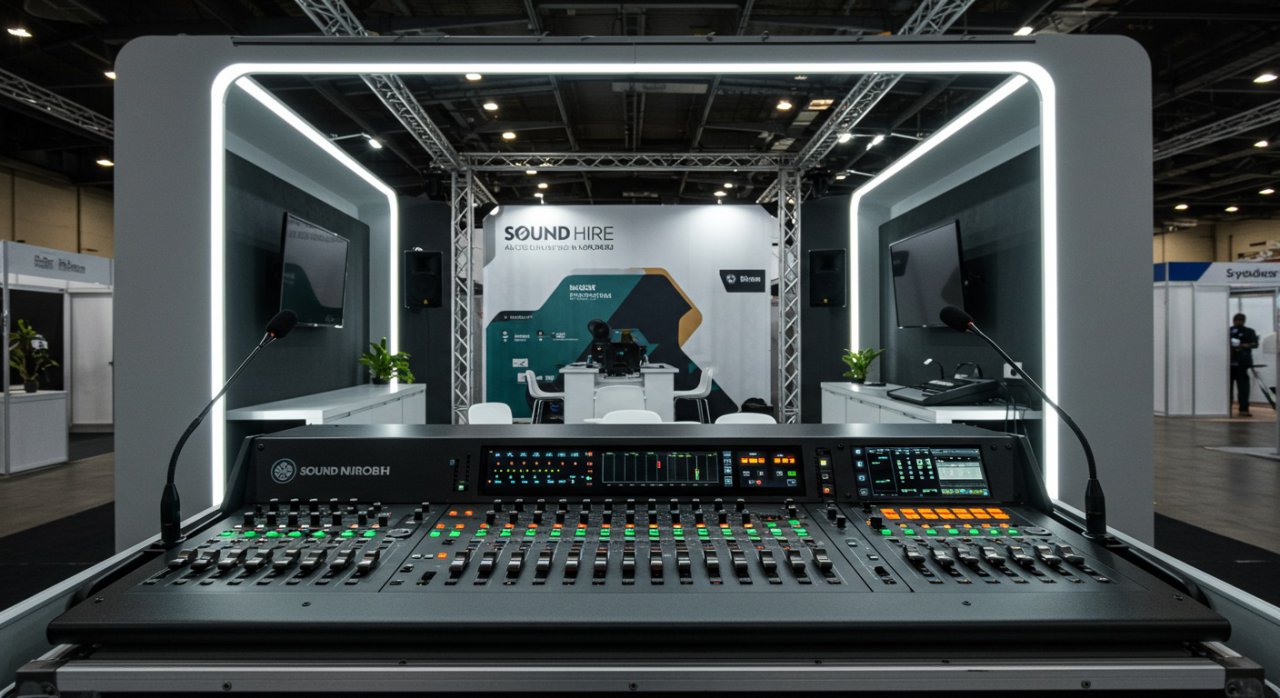
With risks prioritized, the crucial phase is developing effective mitigation strategies. For each significant risk, outline specific actions to reduce its likelihood or impact. For electrical safety, this means using qualified technicians, ensuring equipment is PAT tested, and implementing safe cable management. For crowd control, strategies might include clear signage, designated entry/exit points, and sufficient ushers. If weather is a concern, have a contingency plan for moving indoors or providing shelter. For technical aspects, partnering with a professional company like Sound Hire Nairobi ensures equipment is installed safely and operated by experienced personnel. Document all mitigation strategies clearly. Ensure the team responsible for implementing them understands their roles and responsibilities.
Implementing Safety Protocols
A well-documented risk assessment is only effective if its findings are put into practice. Implementing safety protocols is the operational arm of your worship event risk assessment. This involves training staff and volunteers on emergency procedures, safe equipment handling, and their specific roles in risk mitigation. Ensure clear communication channels are established for reporting incidents or concerns during the event. Post safety guidelines and emergency contact information in visible locations. Conduct pre-event briefings with all key personnel. Walk through the venue to confirm that all safety measures are in place. Regular checks throughout the event are also important. This proactive implementation ensures that safety remains a top priority from setup to teardown.
Emergency Preparedness and Response
Despite best efforts, emergencies can still occur. A critical component of worship event risk assessment is robust emergency preparedness and response planning. This includes having a clear plan for medical emergencies, fire, security threats, or technical failures. Identify designated first aid personnel and ensure they have adequate supplies. Establish procedures for contacting emergency services in Nairobi. Train key staff on how to manage different emergency scenarios calmly and effectively. Have a communication plan for informing attendees during an emergency. Regularly review and update your emergency plans. Conduct drills if possible to ensure readiness. A well-rehearsed response can significantly minimize harm and ensure the safety of everyone present.
Review and Continuous Improvement
The process of worship event risk assessment should be iterative. After each event, conduct a thorough review of what worked well and what could be improved. Analyze any incidents that occurred, even minor ones. Did the mitigation strategies function as intended? Were there any unforeseen risks that emerged? Use this feedback to update your risk assessment template and procedures for future events. Share the lessons learned with your planning team and relevant stakeholders. This commitment to continuous improvement ensures that your safety protocols evolve and become more effective over time. It strengthens your organization's ability to host safe and impactful worship gatherings in Nairobi.