The Importance of Seamless Onsite Concert Coordination
Successful concerts in Nairobi hinge on flawless execution, and effective onsite concert coordination is the backbone of this success. This involves managing all the moving parts of an event in real-time, from the moment setup begins until the final guest departs. It requires clear communication, swift problem-solving, and a deep understanding of event logistics. In a dynamic environment like Nairobi, unexpected challenges can arise. Having a dedicated team focused on onsite concert coordination ensures that these challenges are met with professionalism and efficiency. Sound Hire Nairobi specializes in providing this critical service. We ensure that every aspect of your concert runs smoothly. Our goal is to create an unforgettable experience for your audience. We achieve this through meticulous planning and expert on-the-ground management.
Key Roles in Onsite Concert Coordination
Effective onsite concert coordination relies on clearly defined roles and responsibilities. The Event Manager is the central point of contact, overseeing all operations. They ensure the schedule is adhered to and manage staff. The Technical Director is responsible for all audio, visual, and lighting elements. They work closely with stage managers to ensure smooth transitions between acts. A dedicated Site Manager handles the physical venue, including access, crowd flow, and vendor coordination. Security Coordinators manage personnel and ensure the safety of attendees. Communications Officers maintain constant contact between all teams using radios or other systems. Volunteer Coordinators manage and deploy event staff. Each role is crucial for the seamless flow of the event. Clear delegation prevents confusion and ensures accountability on the ground in Nairobi.

Establishing Clear Communication Channels
Communication is the lifeblood of successful onsite concert coordination. Establishing clear and reliable communication channels from the outset is paramount. This typically involves using two-way radios for instant communication between key personnel like the event manager, security, technical crew, and stage managers. A central command post or operations center is often established. This serves as the hub for information gathering and dissemination. Pre-event briefings are essential to ensure everyone understands the communication plan, including who to contact for specific issues. Regular updates and check-ins throughout the event keep all teams informed of progress and any developing situations. Utilizing messaging apps or dedicated event management software can supplement radio communication. Clear, concise, and consistent communication minimizes misunderstandings and allows for rapid responses to any issues that arise during the concert in Nairobi.
Managing the Event Schedule and Timings

Adhering to the event schedule is a core responsibility of onsite concert coordination. This involves meticulous planning and real-time adjustments. The stage manager plays a pivotal role in keeping performances and set changes on time. They liaise directly with artists' management and technical crews. The event manager oversees the overall schedule, ensuring that all pre-show, main event, and post-show activities run according to plan. Unexpected delays can occur, such as technical difficulties or artist tardiness. The coordination team must be prepared to make quick decisions. They might need to adjust running orders or shorten set times if necessary. Effective communication of any schedule changes to all relevant parties is crucial. Utilizing visual aids like run sheets and countdown timers can help keep everyone on track. A well-managed schedule ensures a smooth, professional, and enjoyable experience for attendees in Nairobi.
Handling Technical Production and Logistics Onsite
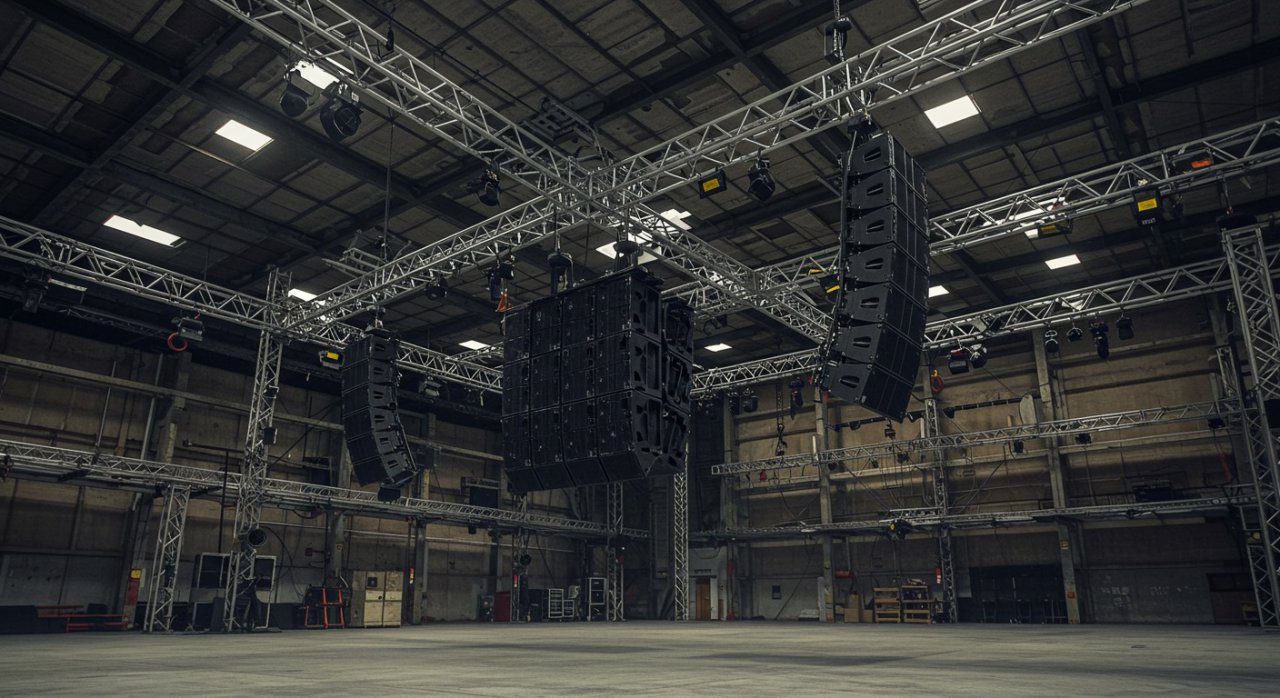
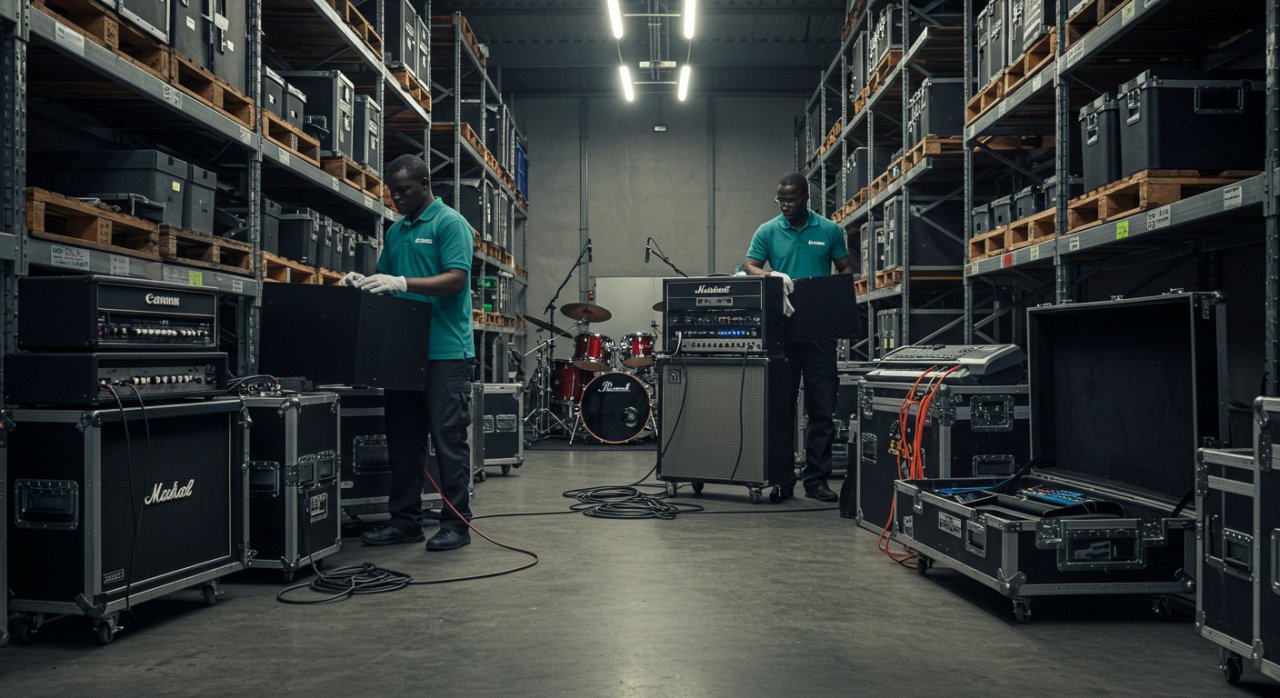
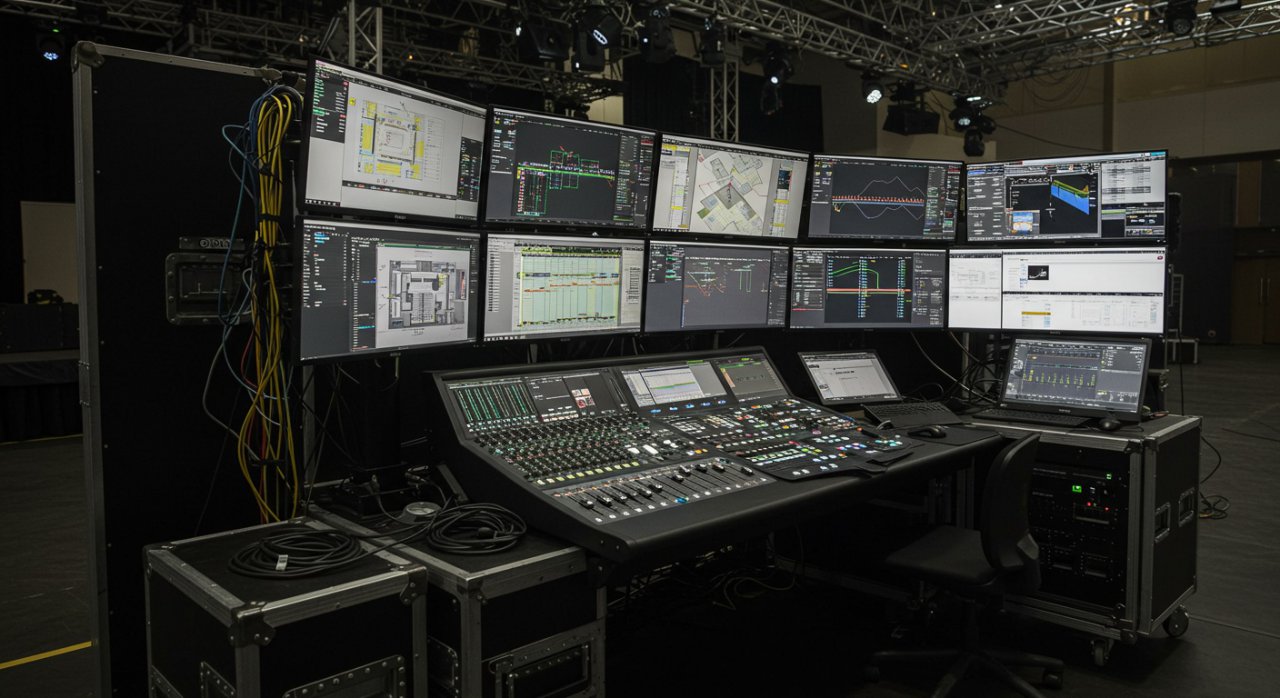
The technical aspects of a concert require diligent onsite management. This includes overseeing the setup, operation, and breakdown of sound systems, lighting, staging, and video equipment. The technical director and their team are responsible for ensuring all equipment functions correctly and safely. This involves conducting sound checks, lighting cues, and ensuring power supply stability. Logistics management is also critical. This covers everything from managing equipment deliveries and storage to coordinating crew movements and stage access. Efficient onsite concert coordination ensures that technical teams work harmoniously with other departments, like artist liaison and security. Troubleshooting technical issues quickly and effectively is a key skill. Having backup equipment and contingency plans is essential. Sound Hire Nairobi provides experienced technical crews dedicated to seamless onsite execution in Nairobi.
Crowd Management and Security Coordination
Ensuring the safety and smooth flow of attendees is a top priority during onsite concert coordination. This involves implementing effective crowd management strategies. This includes managing entry and exit points, maintaining clear pathways, and controlling capacity. Security personnel play a vital role in monitoring the crowd, identifying potential issues, and responding to incidents. Close coordination between the security team and event management is essential. This ensures a unified approach to safety. Communication channels must be robust, allowing security to report any concerns immediately. Emergency procedures and evacuation plans must be clearly defined and understood by all staff. Having adequate first-aid stations and personnel readily available is also crucial. A well-coordinated security and crowd management plan contributes significantly to a positive and safe concert experience for everyone in Nairobi.
Post-Event Breakdown and Site Management
The work of onsite concert coordination doesn't end when the music stops. The breakdown and site management phase is equally important. This involves the safe and efficient dismantling of all equipment, staging, and temporary structures. The technical team works to pack and secure all gear. The site management team ensures the venue is restored to its original condition, or as agreed with the venue owner. Waste management and site cleanup are also key responsibilities. Coordination is needed to manage the flow of vehicles and personnel during the breakdown process. This minimizes disruption and ensures a timely departure. A successful breakdown phase reflects positively on the entire event's professionalism. It ensures a smooth transition and leaves a good impression on the venue and stakeholders in Nairobi.