Connecting Your Congregation and Community
Successful church events in Nairobi rely heavily on clear and consistent communication. Effective event communications for church activities ensures that members and the wider community are informed, engaged, and motivated to participate. This encompasses everything from initial announcements and invitations to post-event follow-ups. Whether it's a special service, a community outreach program, or a fellowship gathering, strategic communication builds anticipation and fosters a sense of belonging. Sound Hire Nairobi understands the importance of reaching your audience effectively. We partner with churches in Nairobi to support their communication needs, particularly concerning event promotion and technical aspects. Let's explore how to optimize your church event communications.
Defining Communication Goals
Before crafting any messages, define the goals for your event communications for church initiatives. What do you want attendees to know, feel, or do? Are you aiming to increase attendance, encourage donations, recruit volunteers, or simply inform the congregation about an upcoming event? Clarity on these objectives will shape your messaging and channel selection. For instance, a goal to recruit volunteers might require detailed information about roles and sign-up procedures, delivered through targeted channels. Conversely, a general announcement about a service might focus on dates, times, and the spiritual significance, broadcast more broadly. Setting specific, measurable, achievable, relevant, and time-bound (SMART) goals provides direction.
Selecting Appropriate Communication Channels
Nairobi churches have multiple channels available for effective event communications for church. Consider a multi-channel approach to reach different segments of your audience. Traditional methods like bulletin announcements, church newsletters, and announcements during services remain important for reaching established members. Digital channels are increasingly vital: utilize your church website, social media platforms (Facebook, Instagram), email newsletters, and potentially SMS or WhatsApp groups for timely updates. For larger events, consider local radio spots or community notice boards. The key is to choose channels that your target audience actively uses and trusts. Sound Hire Nairobi can assist with technical aspects like live streaming or AV presentations during services to reinforce announcements.
Crafting Compelling Messages

The content of your communications should be clear, concise, and engaging. For event communications for church, messages should reflect the church's values and tone. Always include essential details: event name, date, time, location, purpose, and any cost or registration information. Use inspiring language that highlights the benefits of attending. For example, instead of just saying 'Bible Study,' frame it as 'Deepen Your Faith: Join Our Weekly Bible Study.' Include a clear call to action: 'Register Now,' 'Sign Up to Volunteer,' or 'Learn More on Our Website.' Proofread all communications carefully to avoid errors. Visual elements, like attractive graphics or photos, can significantly enhance engagement.
Pre-Event Promotion and Engagement
Building anticipation is key to successful event attendance. Start promoting your church events well in advance. Utilize your chosen channels consistently. Share behind-the-scenes glimpses of preparations or introduce speakers and performers. Encourage sharing on social media. Run targeted email campaigns for specific audience segments. For significant events, consider creating a dedicated event page on your website with all relevant information and registration links. Use countdowns to create a sense of urgency. Effective pre-event promotion through strategic event communications for church ensures that your congregation is aware and excited.
During-Event Communication
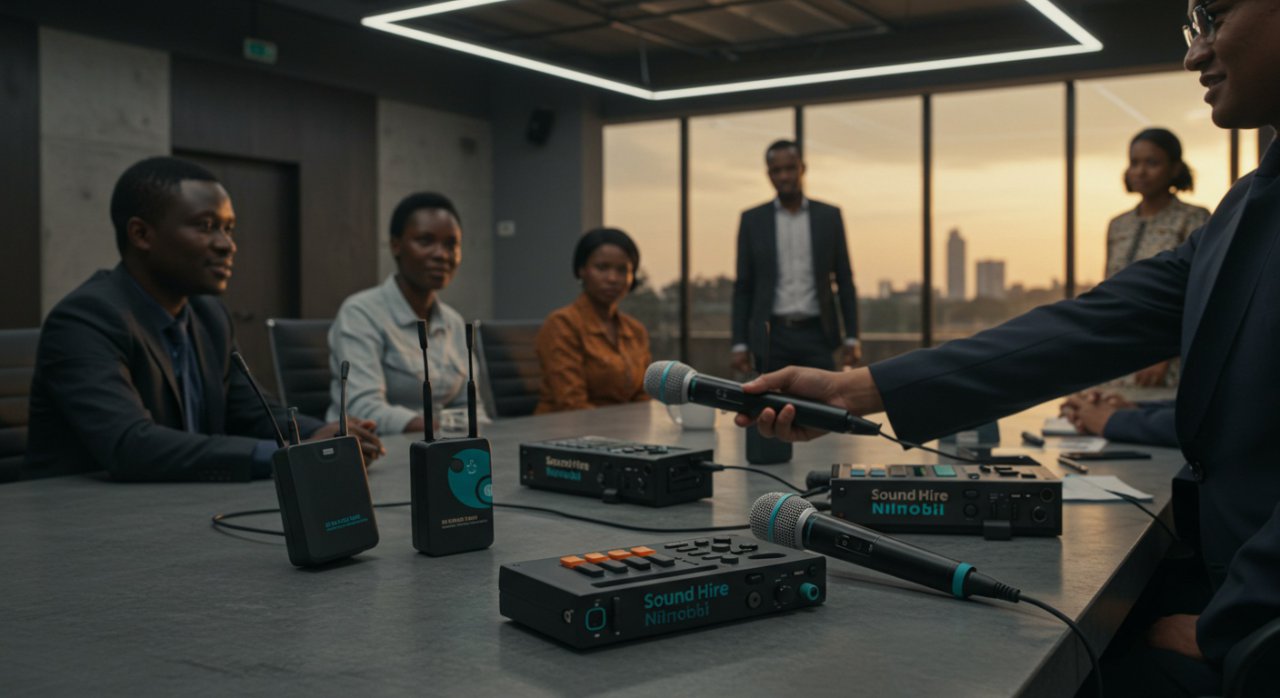
Communication doesn't stop once the event begins. During the event, keep attendees informed about schedules, transitions, and any necessary instructions. Utilize microphones and AV systems for clear announcements. If live-streaming, ensure online viewers receive relevant updates. Reminders about next steps, such as donation opportunities or volunteer sign-ups, can be integrated smoothly. For large gatherings in Nairobi, clear directional signage and information points managed by volunteers are essential. Effective internal communication among event staff, facilitated by tools like radios, ensures smooth operations behind the scenes.
Post-Event Follow-Up
The communication cycle concludes with post-event follow-up. This is a crucial part of event communications for church for maintaining engagement and gathering feedback. Thank attendees, volunteers, and sponsors for their participation. Share highlights from the event through photos, videos, or written summaries on your website and social media. Send out surveys to gather feedback on the event and the communication process itself. This information is invaluable for improving future events. Reinforce key messages or calls to action if applicable. Consistent follow-up strengthens community ties and encourages continued involvement in church activities.