
Why a Concert Emergency Response Plan is Non-Negotiable
Organizing a concert in Nairobi is an exciting venture, but it comes with significant responsibilities. A critical aspect often overlooked until it's too late is the development of a thorough emergency response plan concert. This plan acts as a vital safety net, detailing how to manage unforeseen incidents effectively. Without a well-defined strategy, a minor issue can quickly escalate, jeopardizing attendee safety, event reputation, and legal compliance. Sound Hire Nairobi understands the paramount importance of preparedness. We help event organizers in Kenya create and implement robust plans that cover a wide range of potential emergencies. Our expertise ensures your event proceeds smoothly, even when the unexpected occurs. A proactive approach to safety is key for any successful large-scale gathering.
Key Components of an Effective Concert Emergency Response Plan
A robust emergency response plan concert must address several critical areas. Firstly, it requires a clear chain of command and communication protocols. Who is in charge during an emergency? How will information be disseminated to staff, security, and attendees? Establishing designated emergency coordinators and ensuring they have reliable communication tools is essential. Secondly, the plan must identify potential risks specific to the venue and event type. This includes crowd management issues, fire hazards, medical emergencies, severe weather, and security threats. Each potential risk needs a corresponding mitigation strategy and response procedure. Understanding the local emergency services in Nairobi, like the fire department and hospitals, and establishing contact points is also crucial. This proactive planning ensures swift and coordinated action when needed, safeguarding everyone involved.
Risk Assessment and Mitigation Strategies
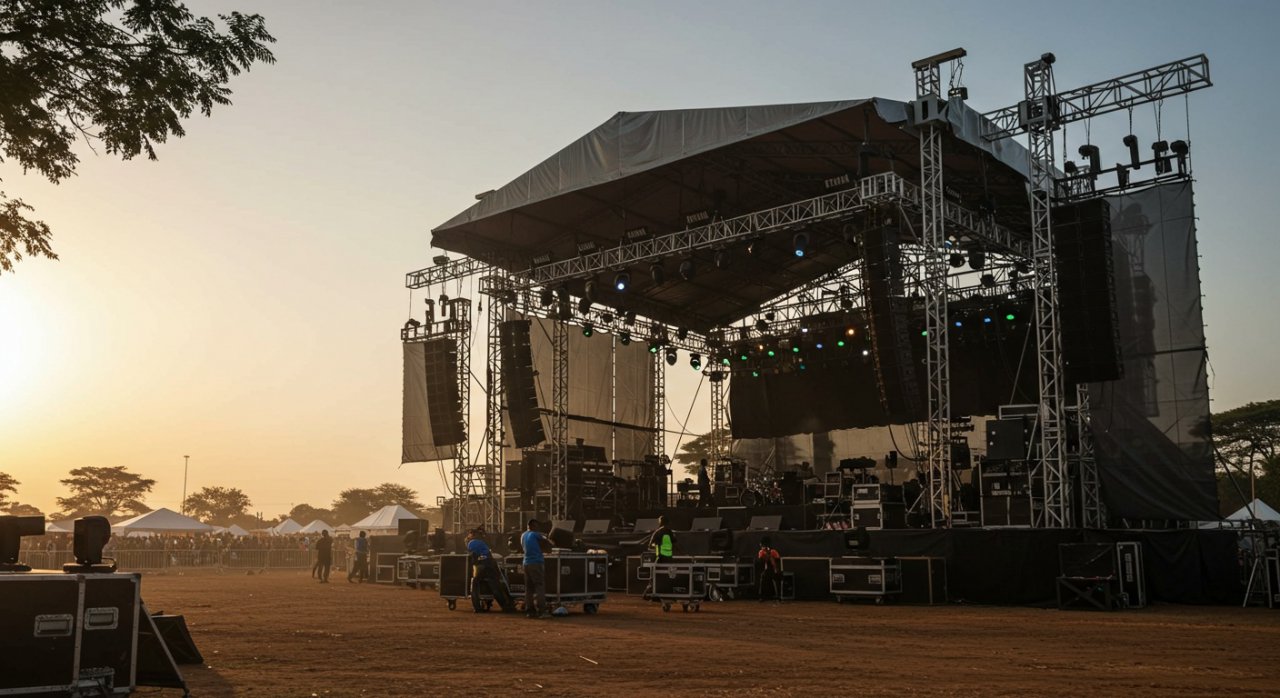
Before any concert, a comprehensive risk assessment is fundamental to developing an effective emergency response plan concert. This involves identifying potential hazards from structural issues to crowd behavior and environmental factors. For instance, high winds at an outdoor venue in Nairobi could pose a risk to temporary structures. A mitigation strategy might involve securing all temporary installations and having a plan to evacuate if wind speeds exceed a certain threshold. Similarly, overcrowding can lead to panic or stampedes. Effective crowd management techniques, including controlled entry and exit points, visible security personnel, and clear signage, are vital. Understanding these risks allows for the implementation of preventative measures, reducing the likelihood of an incident occurring in the first place. This foresight is a hallmark of professional event management.
Communication and Evacuation Procedures

Clear and concise communication is paramount during any emergency. The emergency response plan concert must outline how information will be shared. This includes using public address systems, digital screens, and designated staff to relay instructions. Evacuation routes must be clearly marked and communicated to all attendees and staff. Regular drills and staff training are essential to ensure everyone knows their role during an evacuation. In Nairobi, understanding the local infrastructure and potential traffic implications during an evacuation is also important. Having multiple assembly points away from immediate danger ensures a safe regrouping area. Effective communication can prevent panic and guide people to safety efficiently.
Medical and First Aid Preparedness
Concerts inherently carry a risk of medical emergencies, from minor injuries to more serious incidents. Your emergency response plan concert must include a detailed medical plan. This involves having adequate first aid stations staffed by qualified medical professionals. The number of medical personnel and the equipment they need should be based on the expected crowd size and the nature of the event. Establishing clear protocols for escalating care, including rapid transport to nearby Nairobi hospitals, is crucial. Having a designated medical liaison who coordinates with local ambulance services ensures a seamless transition of care if needed. This preparedness minimizes response times and improves patient outcomes during critical moments.
Security and Crowd Control Measures
Maintaining a secure environment is a top priority for any concert. The emergency response plan concert should integrate robust security and crowd control strategies. This involves deploying trained security personnel strategically throughout the venue. Their roles include monitoring crowd behavior, preventing unauthorized access, and responding to any security threats. Utilizing CCTV surveillance can enhance monitoring capabilities. Clear entry and exit procedures, along with bag checks, help manage the flow of people and deter potential problems. Coordination with local law enforcement in Nairobi is often necessary for larger events to ensure a swift response to any security breaches or disturbances. A visible security presence also deters unwanted behavior.
Post-Event Review and Plan Refinement
The development of an emergency response plan concert does not end when the event concludes. A critical final step is the post-event review. This involves analyzing how the plan performed during any incidents, identifying what worked well, and pinpointing areas for improvement. Gathering feedback from staff, security, medical teams, and even attendees can provide valuable insights. This review process is essential for refining the plan for future events. Continuous improvement ensures that the plan remains relevant and effective. Sound Hire Nairobi believes in learning from every experience to enhance safety protocols for all concerts and events we support in Kenya.