Why You Need a Dedicated Concert Production Manager
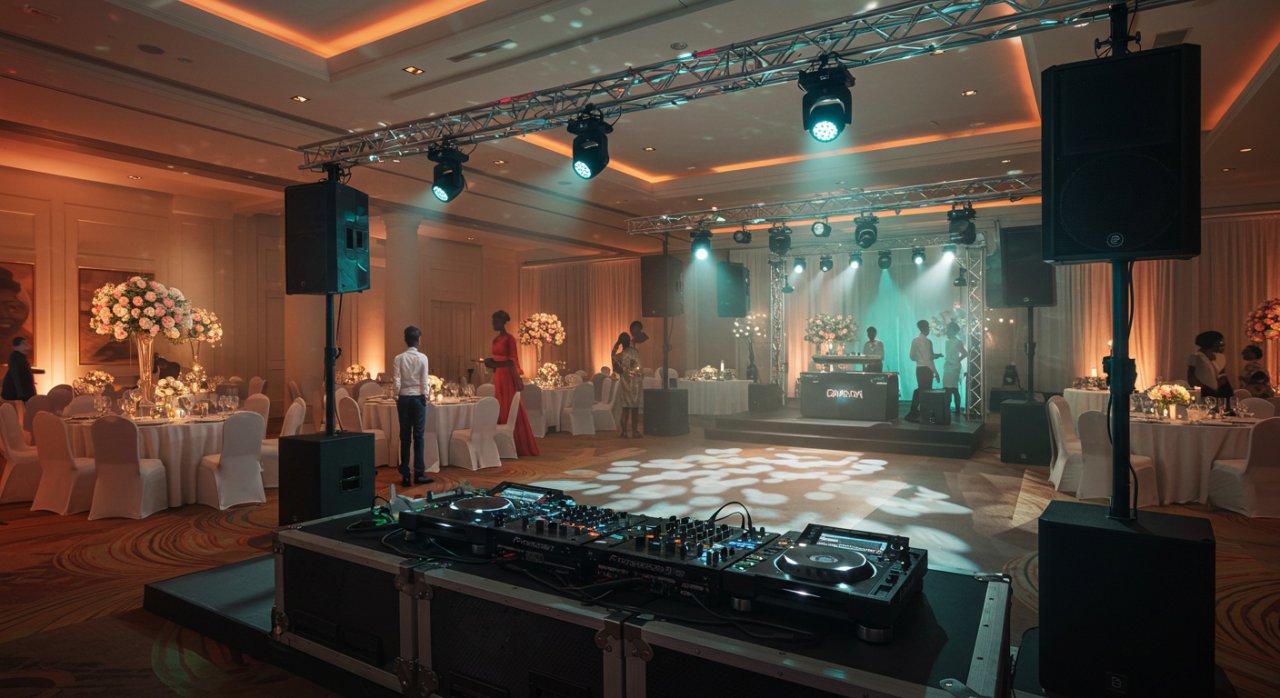
Organizing a concert in Nairobi is a complex undertaking. From securing the venue to managing sound and lighting, countless details demand attention. This is where a professional concert production manager becomes indispensable. They are the conductors of your event orchestra, ensuring every element harmonizes for a flawless performance. Sound Hire Nairobi understands the intricate needs of live music events. Our experienced team provides comprehensive support, allowing artists and organizers to focus on creativity and audience engagement. We pride ourselves on delivering exceptional results for every concert, big or small.
The Crucial Role of a Concert Production Manager
A concert production manager is the central figure responsible for the technical and logistical execution of a concert. Their role begins long before the first note is played and extends beyond the final encore. They oversee all technical aspects, including stage design, sound engineering, lighting, and video production. This involves meticulous planning, budgeting, and scheduling. A great manager liaises with artists, promoters, venue staff, and technical crews. They ensure clear communication channels are open at all times. Problem-solving is a key skill, as unexpected issues can arise during setup or performance. A proactive concert production manager anticipates potential challenges and develops contingency plans. Their goal is to create a safe, efficient, and spectacular experience for everyone involved, from the performers to the eager audience.
Key Responsibilities in Concert Production Management
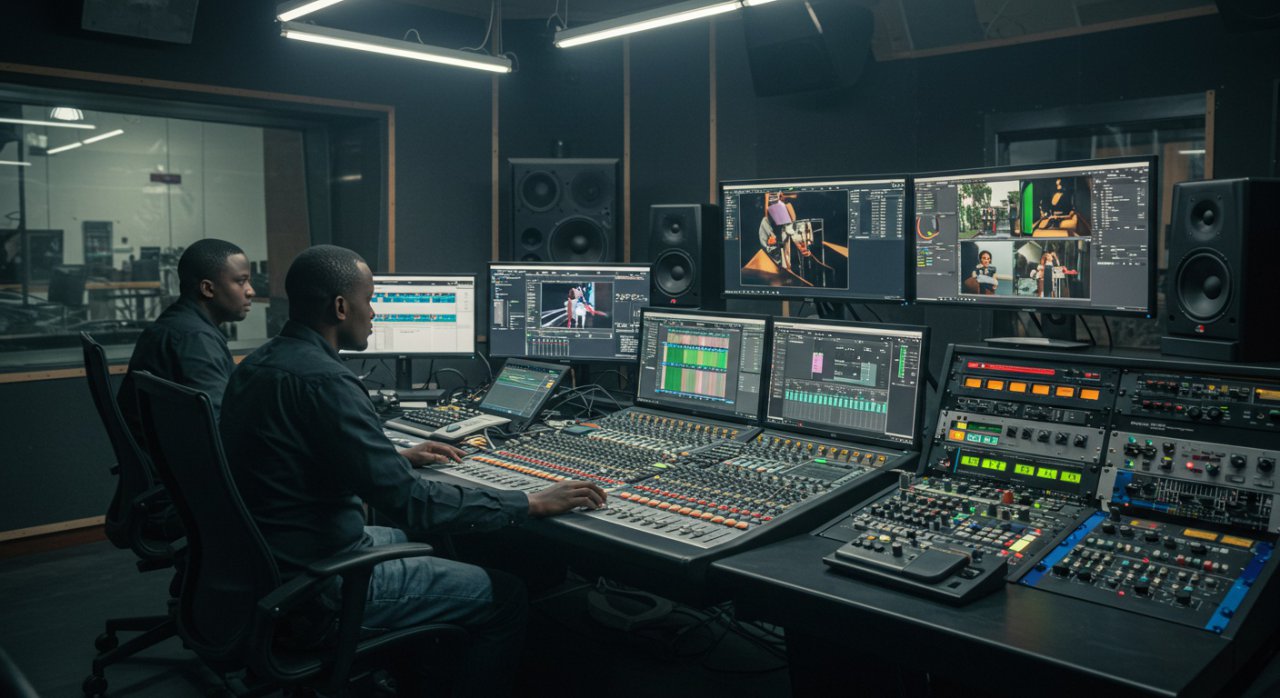
The duties of a concert production manager are extensive and varied. They begin with detailed pre-production planning. This includes developing technical riders with artists and ensuring all equipment and crew requirements are met. Budget management is critical, tracking expenses for staging, sound, lighting, and personnel. They coordinate with vendors for equipment rental and ensure timely delivery and setup. On the day of the concert, they manage the entire production schedule, overseeing load-in, sound checks, and the performance itself. Safety is paramount; they ensure compliance with all health and safety regulations. Post-concert, they manage load-out and ensure the venue is returned to its original state. A skilled concert production manager acts as the primary point of contact for all technical and logistical matters.
Technical Expertise in Sound and Lighting
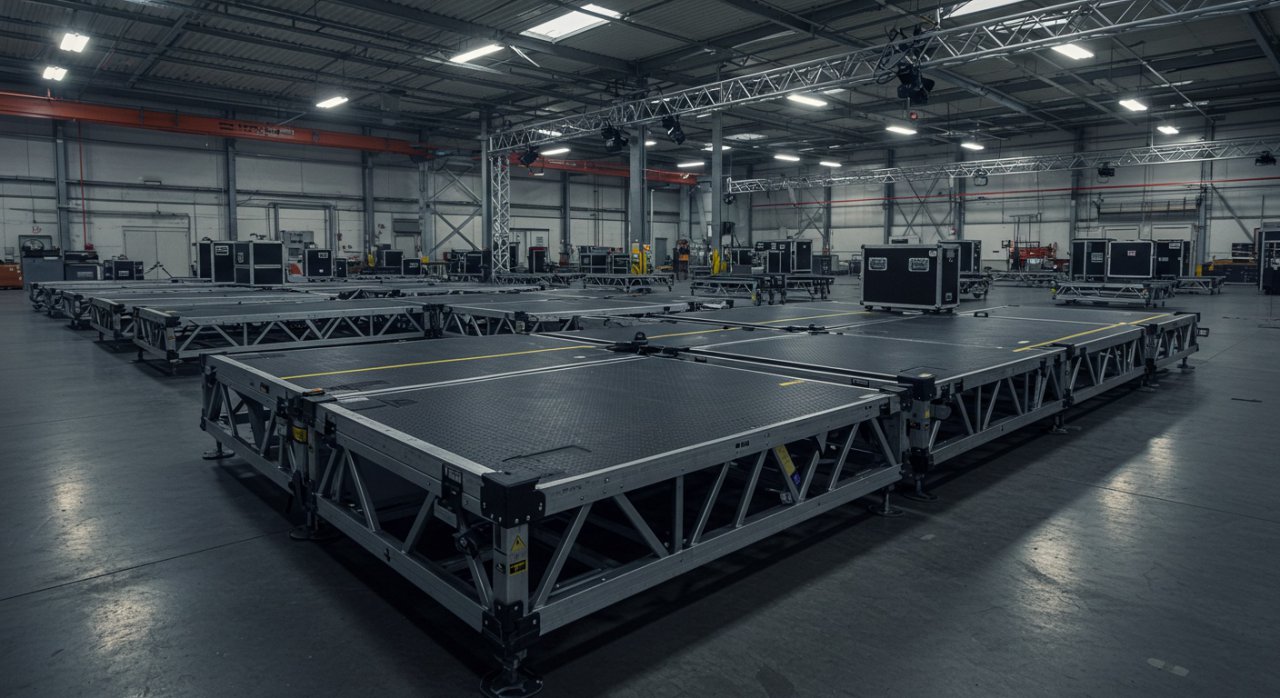
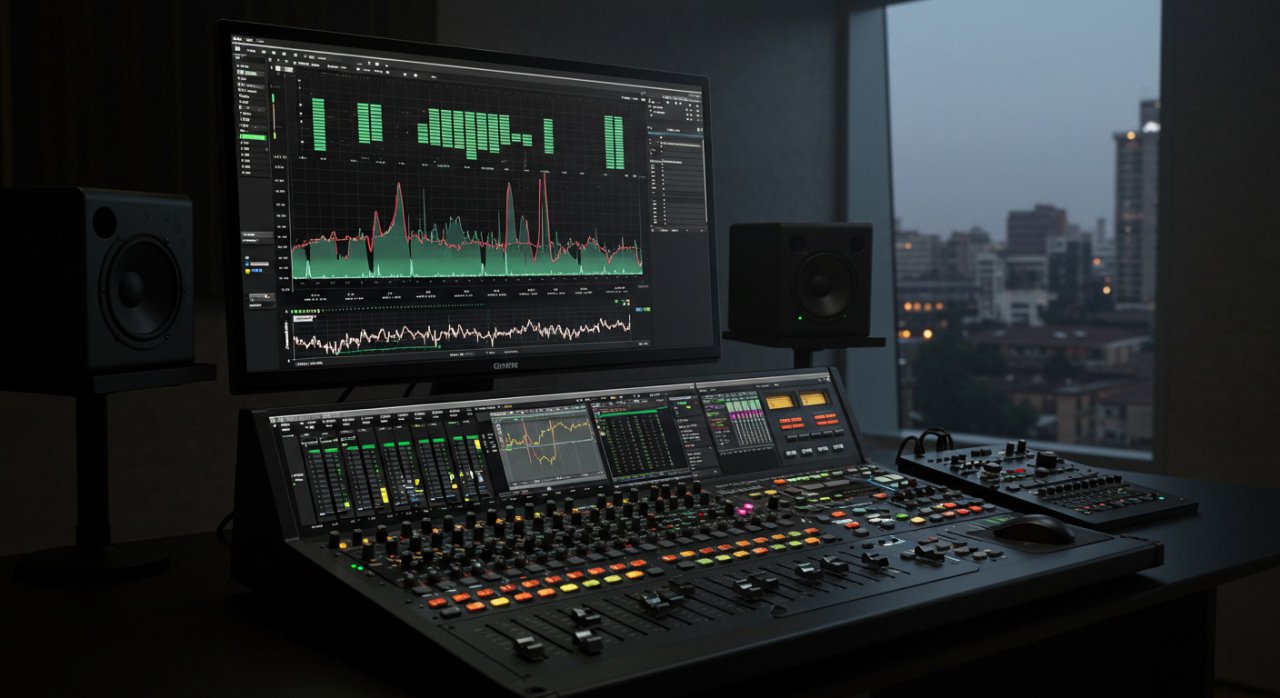
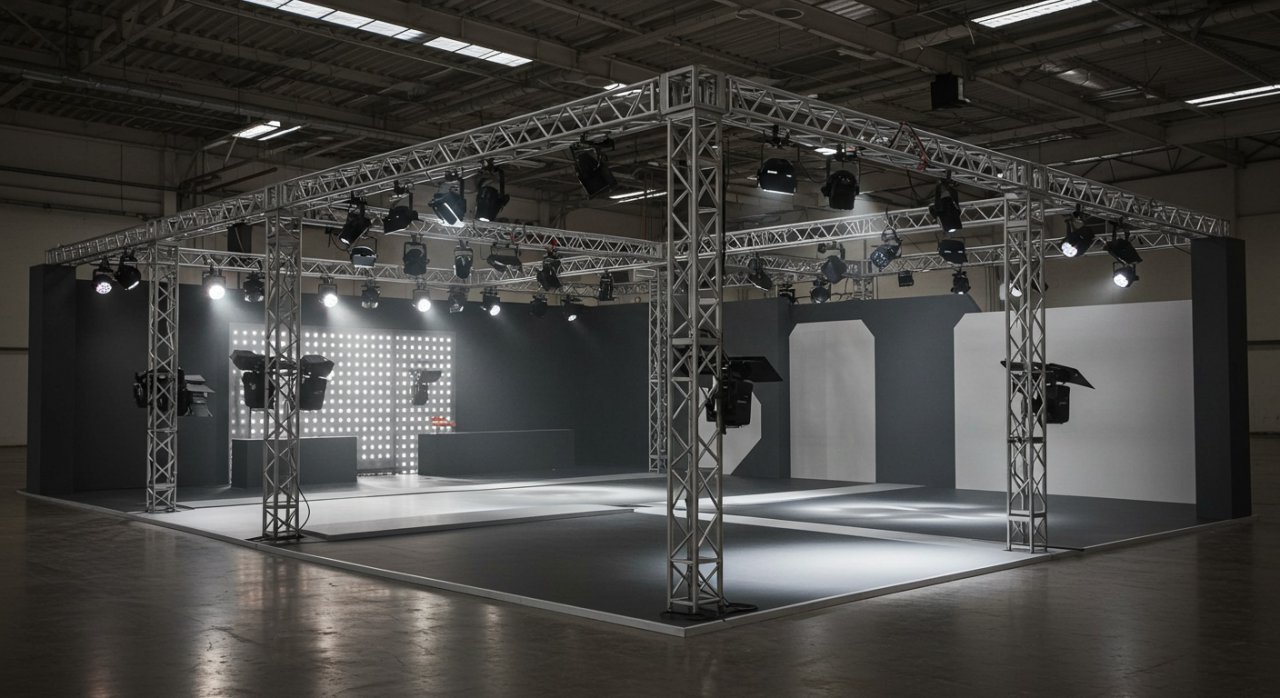
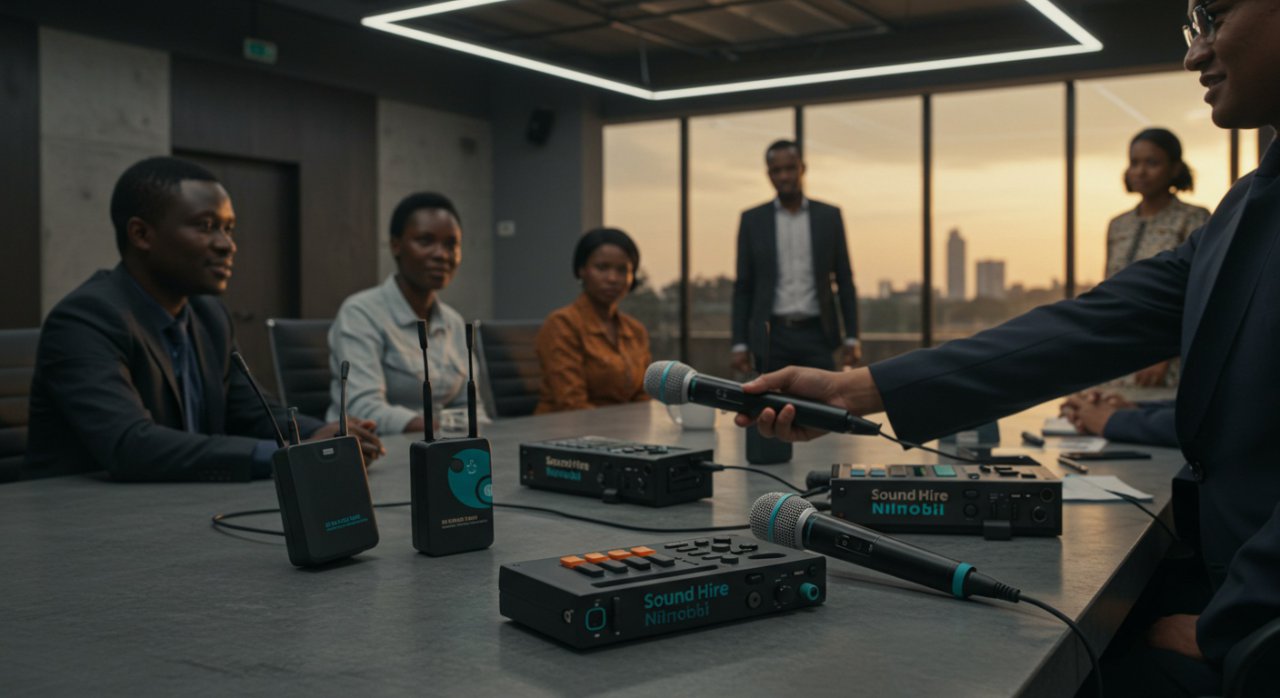
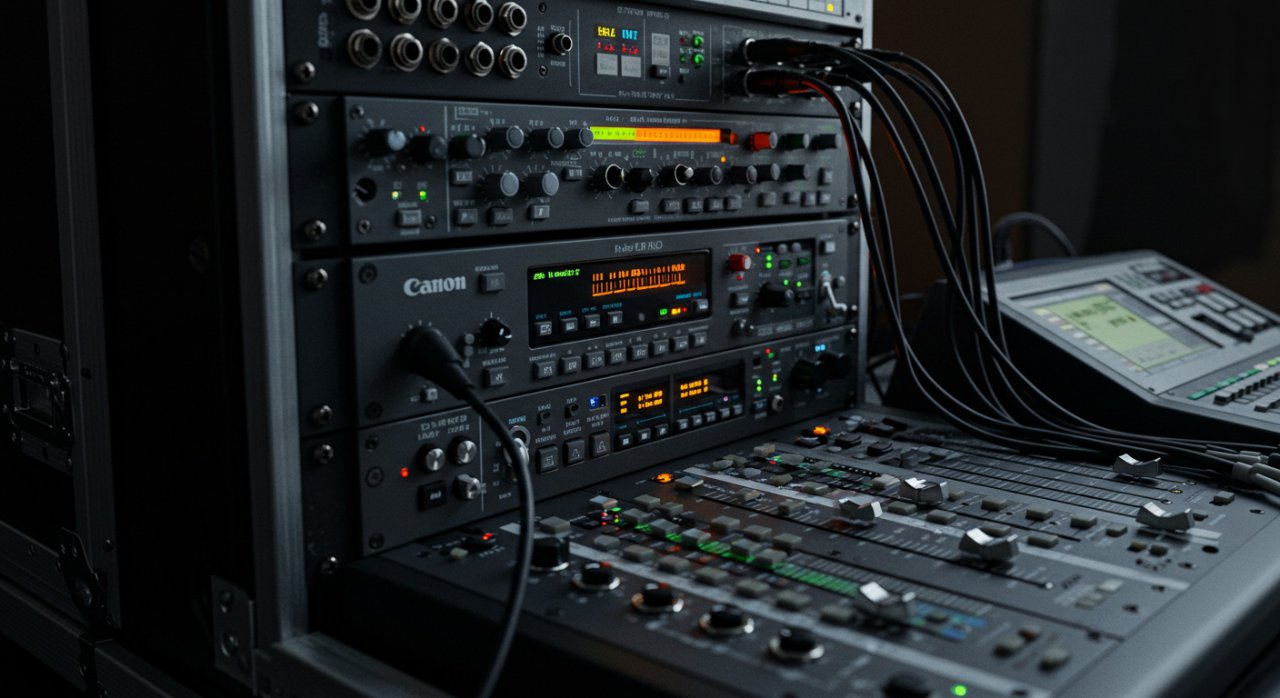
A significant part of a concert production manager's expertise lies in sound and lighting. They work closely with sound engineers to ensure optimal audio quality. This involves selecting the right PA systems, microphones, and mixing consoles. They oversee the setup and testing of all audio equipment. Similarly, lighting design is crucial for setting the mood and enhancing the performance. The manager collaborates with lighting designers to create visually stunning effects. They ensure all lighting rigs are safely installed and operated. Understanding the technical specifications of various sound and lighting systems is vital. This knowledge allows them to make informed decisions and troubleshoot any technical glitches that may occur during the event. The goal is always a seamless blend of audio and visual elements.
Logistics and Scheduling Mastery
Efficient logistics and scheduling are the backbone of any successful concert. The concert production manager meticulously plans the timeline for every phase of the event. This includes load-in schedules for equipment and crew, sound check timings, and the performance setlist. They coordinate transportation for equipment and personnel, ensuring everything arrives on time. Stage management is another critical aspect, ensuring smooth transitions between acts. They manage backstage areas, ensuring artists have what they need. Effective communication with all stakeholders is key to keeping everything on schedule. A well-managed schedule prevents delays and minimizes stress for the entire production team. This logistical precision ensures the concert runs like clockwork.
Budgeting and Vendor Management
Financial prudence is a core responsibility for any concert production manager. They are tasked with creating and adhering to a detailed production budget. This involves estimating costs for all technical elements, crew, and equipment rentals. They negotiate contracts with vendors to secure the best possible prices. Careful vendor management ensures reliable service and timely delivery of all necessary resources. This includes sourcing sound systems, lighting rigs, staging, and backline equipment. The manager must track all expenditures, providing regular financial updates. Any deviations from the budget must be justified and approved. Efficient financial oversight prevents cost overruns and ensures the concert remains profitable or within its allocated financial limits.
Why Choose Sound Hire Nairobi for Your Concert Needs?
Sound Hire Nairobi offers unparalleled expertise in concert production. Our team comprises seasoned professionals who understand the nuances of live music events. We provide comprehensive services, from technical planning to on-site management. Our commitment is to deliver flawless execution, ensuring your concert is a resounding success. We partner with you to understand your vision and bring it to life with cutting-edge technology and meticulous attention to detail. Let us handle the complexities, so you can focus on the performance. Trust Sound Hire Nairobi to be your reliable concert production manager and technical partner in Kenya.