The Critical Role of Climate Control in Data Center Operations
Data centers are the backbone of modern digital infrastructure, housing critical IT equipment that generates substantial heat. Maintaining a precise environmental balance within these facilities is not just important; it's absolutely critical for operational stability and longevity. Proper data center climate control prevents overheating, reduces the risk of equipment failure, and ensures continuous service availability. In Nairobi's varying climate, effective cooling and humidity management become even more challenging and essential. Our specialized solutions are designed to meet the stringent requirements of data centers, providing reliable and efficient climate management. We help safeguard your valuable hardware and ensure uninterrupted data flow.
Understanding the Unique Climate Needs of Data Centers
Data centers operate under very specific environmental parameters that differ significantly from typical office or event spaces. The sheer density of servers, networking equipment, and storage devices generates immense heat. This heat must be efficiently dissipated to prevent thermal runaway and component damage. Beyond temperature, humidity control is equally vital. Too much humidity can lead to condensation and corrosion, while too little can cause static electricity discharge, both detrimental to sensitive electronics. Therefore, data center climate control systems must be precise, redundant, and energy-efficient. They need to maintain narrow temperature and humidity ranges 24/7. Our expertise lies in designing and implementing solutions that address these complex requirements. We ensure your Nairobi data center operates within optimal conditions, protecting your investment.
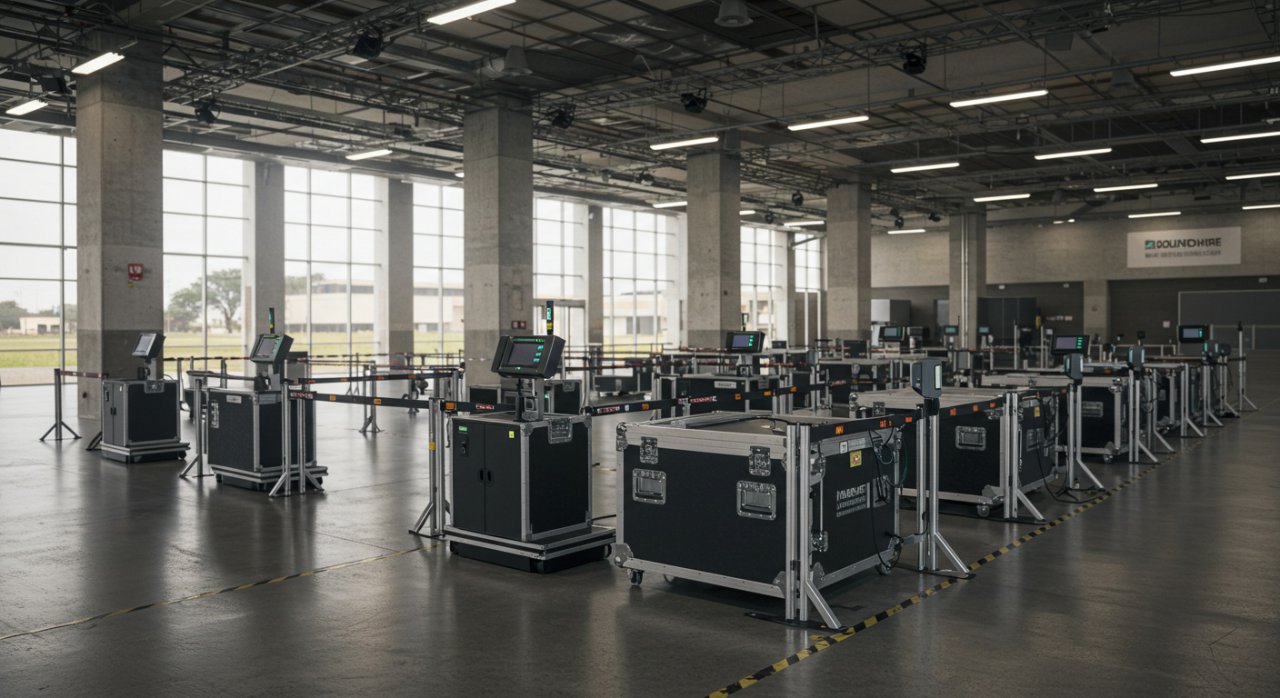
Advanced Cooling Technologies for Data Centers in Nairobi
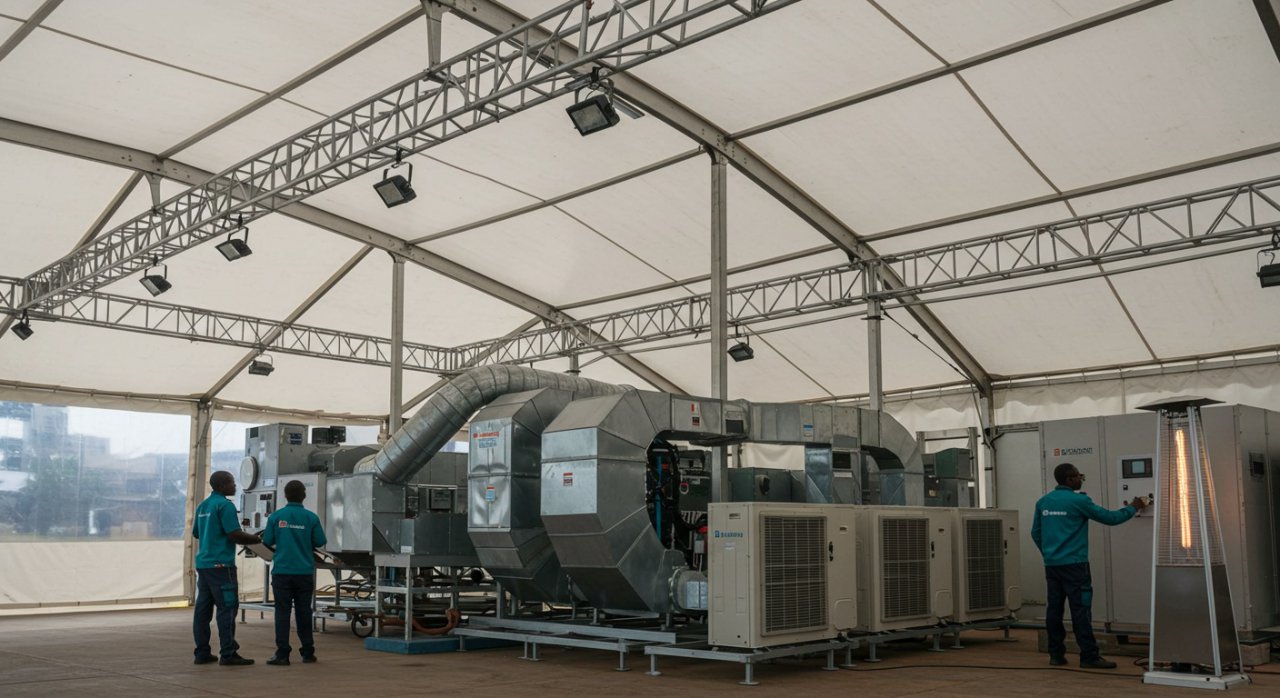
Implementing advanced cooling technologies is fundamental to effective data center climate control. Traditional air conditioning units may not provide the precision or capacity required for high-density server racks. Specialized solutions like Computer Room Air Conditioners (CRACs) and Computer Room Air Handlers (CRAHs) are designed for the unique heat loads of IT environments. These units offer precise temperature and humidity control, often with higher sensible cooling ratios. Hot aisle/cold aisle containment strategies are also crucial. They prevent the mixing of hot exhaust air with cold supply air. This significantly improves cooling efficiency. We deploy state-of-the-art systems tailored to your data center's specific layout and power density. Our solutions ensure maximum cooling performance with minimal energy consumption. This helps reduce operational costs while maintaining critical environmental stability in your Nairobi facility.
Humidity Management and Air Quality in Data Centers
Beyond temperature, precise humidity management is a cornerstone of effective data center climate control. The ideal relative humidity for data centers typically falls between 40% and 60%. Deviations from this range can lead to serious problems. High humidity can cause condensation, leading to short circuits and corrosion of electronic components. Low humidity, conversely, increases the risk of electrostatic discharge (ESD), which can permanently damage sensitive hardware. Our climate control solutions incorporate advanced humidification and dehumidification systems. These systems maintain optimal humidity levels within tight tolerances. Furthermore, air quality is also a consideration. Filtering out dust and particulate matter prevents buildup on circuit boards, which can impede cooling and cause equipment failure. We ensure clean, conditioned air circulates throughout your data center.
Energy Efficiency and Cost Savings in Data Center Cooling
Energy consumption is a major operational expense for data centers, with cooling often accounting for a significant portion. Optimizing data center climate control for energy efficiency is therefore paramount. Our solutions focus on implementing technologies that reduce power usage without compromising performance. This includes deploying high-efficiency CRAC/CRAH units, utilizing economizers for free cooling when external temperatures allow, and optimizing airflow management. Implementing hot aisle/cold aisle containment, blanking panels, and raised floor systems also contributes to significant energy savings. Regular maintenance and monitoring ensure that cooling systems operate at peak efficiency. By partnering with us, data centers in Nairobi can achieve substantial reductions in their energy bills. This contributes to a more sustainable and cost-effective operation. We help you balance performance with environmental responsibility.
Emergency Cooling and Redundancy for Data Centers
The continuous operation of a data center is non-negotiable. Any disruption to cooling can lead to rapid overheating and catastrophic equipment failure. Therefore, redundancy and emergency cooling capabilities are vital components of robust data center climate control. Our solutions include planning for N+1 or 2N redundancy in cooling systems, ensuring that backup units are ready to take over immediately in case of a primary system failure. We also offer emergency cooling rental services. These services provide rapid deployment of temporary cooling units during planned maintenance, unexpected outages, or sudden increases in heat load. This proactive approach minimizes downtime and protects your valuable IT assets. Our rapid response team in Nairobi is prepared to deploy emergency solutions swiftly, ensuring your data center remains operational under all circumstances.
Partnering for Reliable Data Center Climate Control in Nairobi
Choosing the right partner for your data center climate control needs in Nairobi is crucial. We bring extensive experience and specialized knowledge to ensure your facility operates under optimal environmental conditions. Our team works closely with you to assess your specific requirements. We design and implement a tailored climate control strategy that aligns with your operational goals and budget. From initial consultation and system design to installation, ongoing maintenance, and emergency support, we offer a comprehensive suite of services. Our commitment is to provide reliable, efficient, and scalable cooling solutions that safeguard your critical infrastructure. Trust us to deliver the precision and resilience your data center demands. We are dedicated to ensuring the long-term health and performance of your IT environment, allowing you to focus on your core business.