Understanding Legal Requirements for Your Nairobi Wedding
Planning a wedding in Nairobi is an exciting journey, but it comes with crucial responsibilities. Ensuring full wedding event legal compliance is paramount for a smooth and memorable celebration. From permits to contracts, understanding the legal landscape prevents unforeseen issues. Our guide helps you navigate the specific requirements in Nairobi, Kenya. We aim to clarify all necessary steps. This ensures your special day is not only beautiful but also fully compliant with local regulations. Don't let legal complexities overshadow your joy. Proper planning guarantees peace of mind. We simplify the process for every couple.
Essential Permits and Licenses for Wedding Venues
Securing the correct permits and licenses is the first step towards achieving wedding event legal compliance. In Nairobi, various permits might be required depending on your chosen venue and the nature of your event. For instance, public venues often need specific event permits from the county government. Private properties might still require approvals if they host a large gathering or use public spaces for access. It is crucial to verify with your venue what licenses they already possess and what additional ones you, as the event organizer, might need to obtain. This can include permits for noise, temporary structures, or even specific food and beverage service licenses if not already covered by the venue. Early application is key to avoid last-minute complications and ensure your wedding proceeds without a hitch. Our team can assist in identifying and securing these vital documents, ensuring all aspects of your wedding event legal compliance are meticulously handled.
Contractual Agreements with Vendors and Suppliers
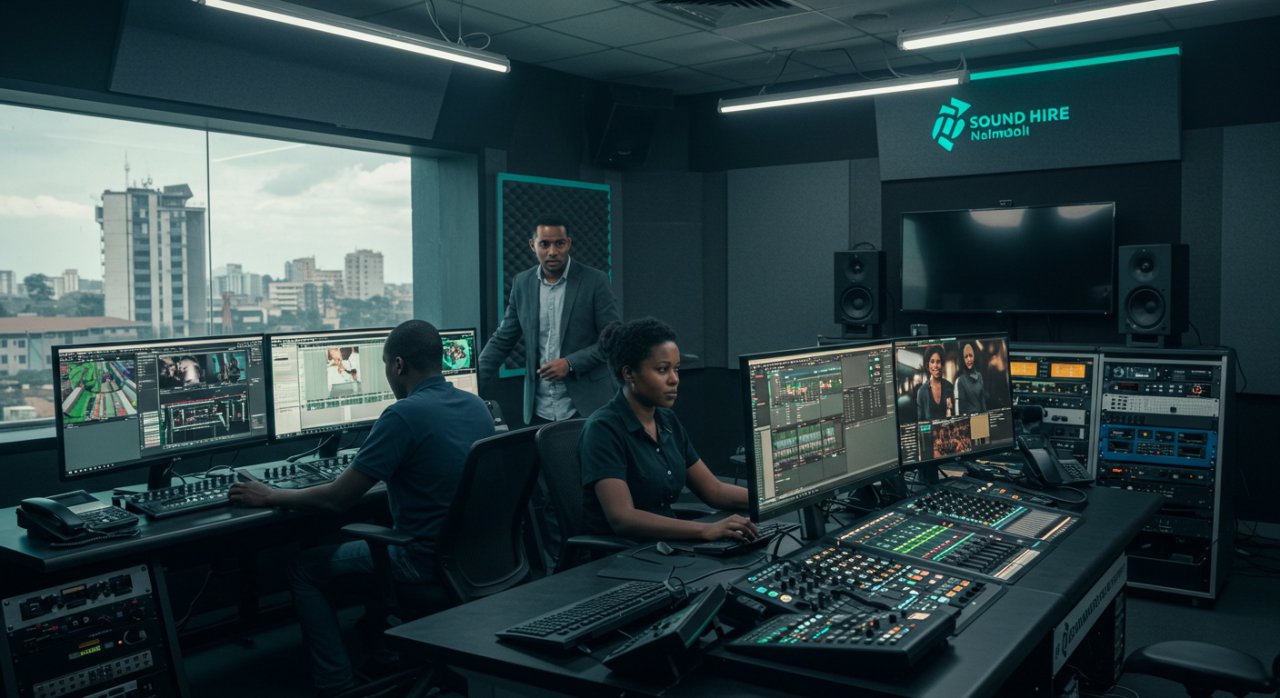
Comprehensive contractual agreements are vital for robust wedding event legal compliance. Every vendor, from caterers to photographers, should have a clear, written contract. These contracts protect both parties and outline services, payment schedules, cancellation policies, and dispute resolution mechanisms. Ensure all agreements specify the services to be rendered, the timeline, and the total cost. Pay close attention to clauses regarding force majeure, liability, and intellectual property rights, especially for photography and videography. Legal counsel can review these documents to ensure they are fair and legally binding under Kenyan law. Clear contracts prevent misunderstandings and provide a legal framework for recourse if issues arise. This attention to detail is a cornerstone of effective wedding event legal compliance and ensures all parties deliver on their promises, contributing to a stress-free wedding experience. Sound Hire Nairobi emphasizes transparent vendor relations.
Health, Safety, and Security Regulations
Prioritizing health, safety, and security is a non-negotiable aspect of wedding event legal compliance. Event organizers must adhere to local health and safety standards to protect guests and staff. This includes ensuring adequate emergency exits, fire safety measures, and first-aid provisions. Security plans should be in place, especially for larger weddings, addressing crowd control, access points, and valuable asset protection. Consider hiring professional security personnel for peace of mind. Food safety regulations are also critical; ensure caterers hold valid health permits and follow proper hygiene practices. In the current climate, health protocols, such as sanitation stations and social distancing guidelines, may also be required. Being proactive in these areas not only ensures compliance but also demonstrates a commitment to guest well-being. Sound Hire Nairobi prioritizes safety in all technical productions.
Noise Restrictions and Sound Ordinances
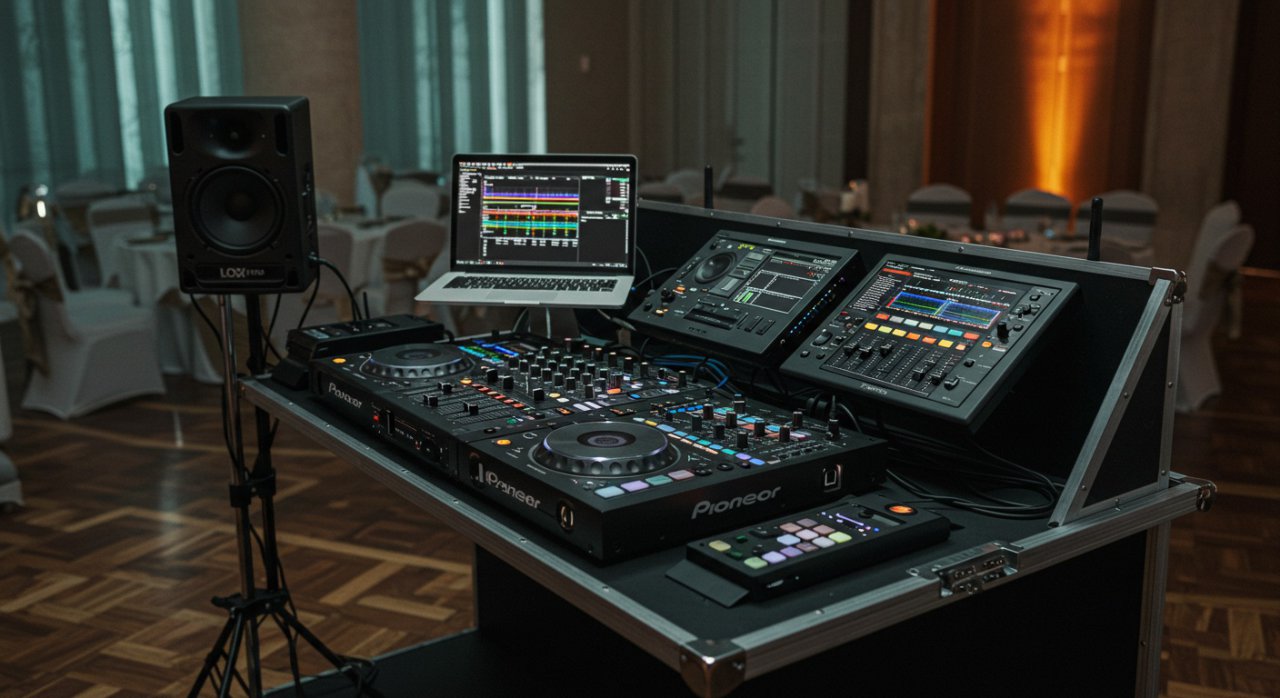
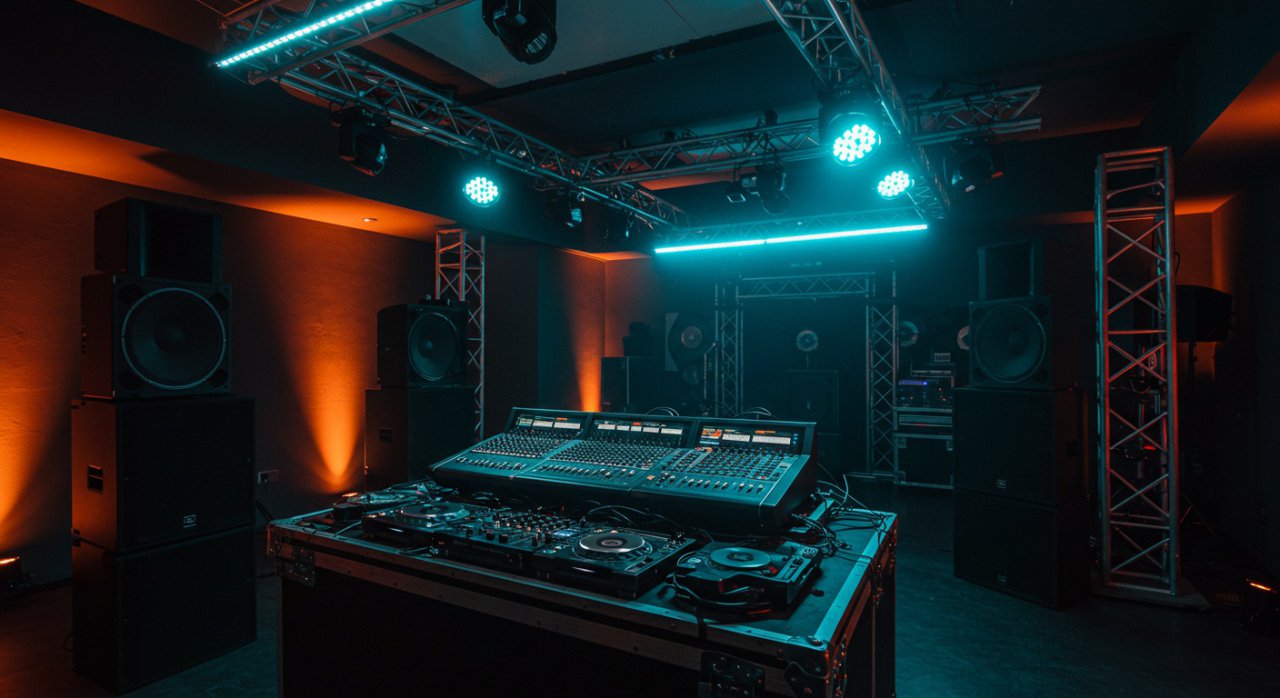
Nairobi, like many urban centers, has specific noise restrictions and sound ordinances that must be observed for wedding event legal compliance. These regulations often dictate permissible noise levels and operating hours for amplified music, especially in residential areas or near public spaces. It is essential to research and understand these local bylaws before planning your wedding entertainment. If your event involves live bands or DJs, you might need to apply for a noise permit from the relevant local authorities. Failure to comply can result in fines or even the premature shutdown of your celebration. Work closely with your sound provider, like Sound Hire Nairobi, to ensure all audio equipment is set up to meet these standards without compromising sound quality. Planning for sound management is crucial for a harmonious event that respects local regulations.
Insurance Coverage for Wedding Events
Adequate insurance coverage is a critical component of comprehensive wedding event legal compliance. While not always legally mandated, event insurance provides vital protection against unforeseen circumstances. This can include public liability insurance, which covers injuries to guests or damage to the venue caused by the event. Cancellation insurance can protect your financial investment if the wedding needs to be postponed or canceled due to circumstances beyond your control. Some policies also cover vendor no-shows or equipment damage. Discuss your options with an insurance broker specializing in events to ensure you have the right level of coverage. This foresight safeguards your significant investment and offers peace of mind, knowing you are prepared for unexpected challenges. Insurance is a smart investment for any major event.
Intellectual Property and Music Licensing
Addressing intellectual property and music licensing is an often-overlooked aspect of wedding event legal compliance. When hiring a DJ or live band, ensure they possess the necessary licenses to play copyrighted music in a public setting. In Kenya, organizations like the Kenya Copyright Board (KECOBO) and various collective management organizations (CMOs) oversee music licensing. Playing music without the proper licenses can lead to legal penalties for both the performer and the event organizer. Clarify these responsibilities in your contracts with entertainment providers. Similarly, if you plan to use professional photographers or videographers, ensure their contracts clearly define the usage rights for your images and videos. This protects both your memories and their creative work. Understanding these nuances ensures a legally sound and enjoyable celebration.