
Learning and Growing Through Evaluation
The success of a worship event in Nairobi extends beyond the final service. A critical, yet often overlooked, phase is the worship event post-event evaluation. This process involves gathering feedback and analyzing performance data to understand what worked well and what could be improved. Thorough evaluation is essential for continuous growth and ensuring future events are even more impactful. It allows organizers to refine their strategies, optimize resource allocation, and better meet the needs of their attendees. Sound Hire Nairobi is committed to helping clients achieve excellence. We believe in the power of data-driven improvement. Our expertise supports your worship event post-event evaluation, providing valuable insights for future success in Kenya.
Defining Evaluation Goals and Metrics
Before the event even begins, establish clear goals for your worship event post-event evaluation. What key aspects do you want to assess? This could include attendee satisfaction, spiritual impact, logistical efficiency, financial performance, and technical execution. Define specific metrics for each goal. For instance, attendee satisfaction can be measured through survey response rates and feedback scores. Logistical efficiency might be evaluated by punctuality of scheduled activities or smoothness of transportation. Technical success could be gauged by audio clarity and lighting quality. Setting these benchmarks in advance provides a clear framework for your evaluation process. It ensures you gather the right data to measure success effectively.
Gathering Feedback from Attendees
Attendee feedback is invaluable for worship event post-event evaluation. Utilize surveys, questionnaires, or feedback forms to collect insights. Distribute these during or immediately after the event for the most accurate responses. Consider both online and offline methods to reach a wider audience. Ask specific questions about their experience, covering aspects like the program content, venue comfort, catering, technical aspects, and overall spiritual impact. Include open-ended questions to allow attendees to share detailed comments or suggestions. Encourage participation by explaining how their feedback will help improve future events. Positive feedback validates successful elements, while constructive criticism highlights areas for growth.
Analyzing Operational and Technical Performance

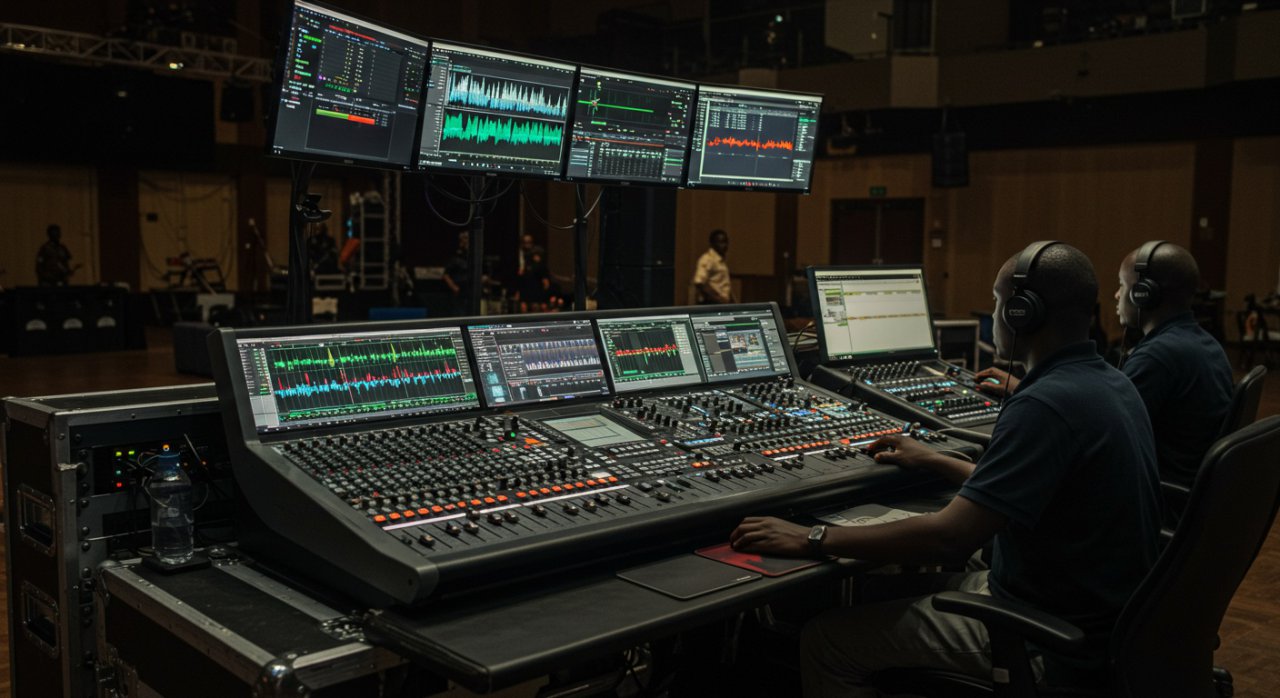
Beyond attendee feedback, a thorough worship event post-event evaluation requires analyzing operational and technical performance. Review schedules: were activities conducted on time? Assess transportation and accommodation logistics: were there any issues? Evaluate catering services: was the food quality and service satisfactory? Examine technical production elements: was the sound clear? Was the lighting effective? Were there any AV glitches? Sound Hire Nairobi plays a key role here, providing detailed reports on technical execution. Comparing actual performance against planned metrics helps identify bottlenecks and areas needing improvement in future Nairobi events.
Financial Review and Budget Analysis
A comprehensive financial review is a crucial component of worship event post-event evaluation. Compare the actual expenses incurred against the initial budget. Identify any significant variances and understand the reasons behind them. Analyze revenue streams, such as ticket sales, donations, or merchandise. Calculate the overall profitability or deficit of the event. This financial assessment provides vital information for future budgeting and resource allocation. It helps ensure that events are financially sustainable and maximize their impact within allocated resources. Sound financial management is key to long-term success.
Debriefing with the Event Team
Internal debriefing with your event team is essential for a holistic worship event post-event evaluation. Schedule a meeting shortly after the event while experiences are still fresh. Encourage open and honest discussion about challenges faced, successes achieved, and lessons learned. Each team member or department should share their perspective. This collaborative approach uncovers insights that might be missed through surveys alone. Document key takeaways and action items. This internal review fosters team cohesion and ensures collective learning. It builds a stronger foundation for planning subsequent events in Nairobi.
Implementing Changes for Future Events
The true value of worship event post-event evaluation lies in implementing the lessons learned. Use the gathered feedback and analysis to make concrete changes for future events. Update planning processes, refine vendor selection criteria, and adjust budget allocations based on findings. Share the evaluation report and action plan with all stakeholders, including leadership and relevant teams. Continuous improvement is key to long-term event success. By systematically evaluating and adapting, your worship events will become increasingly effective in achieving their spiritual and community goals. Trust Sound Hire Nairobi to provide the technical data needed for informed decisions.