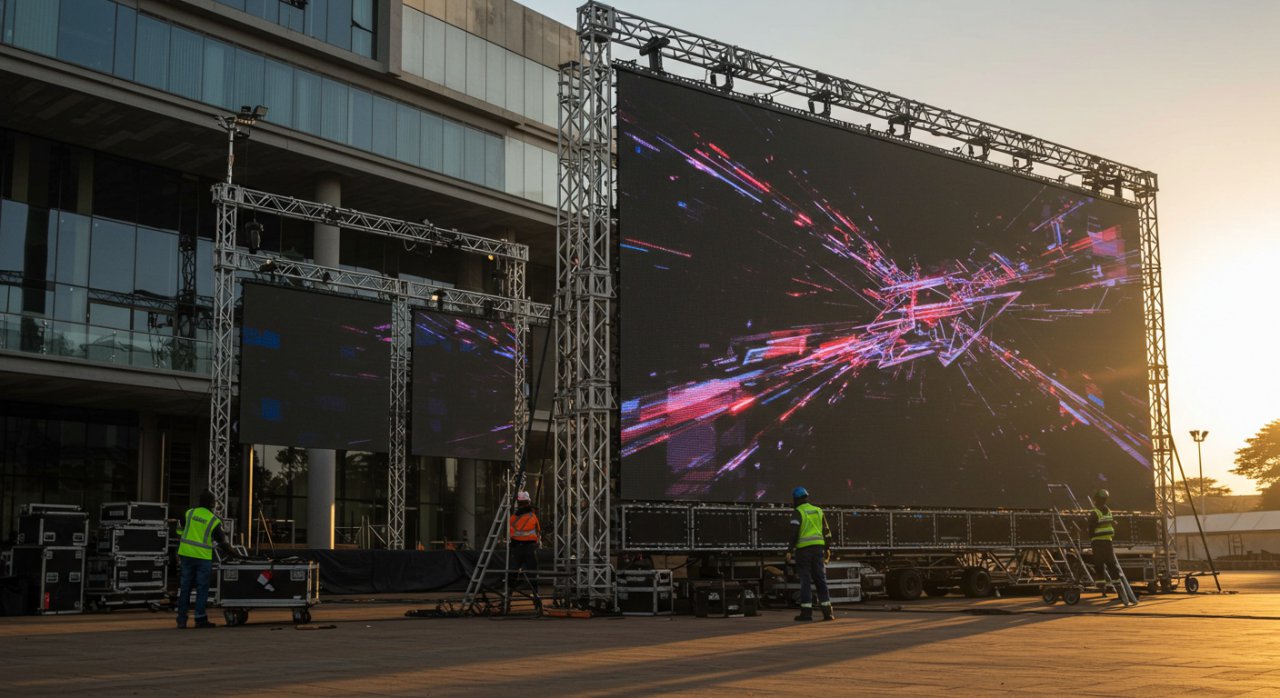
Bringing Algorithmic Beauty to Life
Generative art, created through algorithms and dynamic systems, represents a fascinating intersection of art, science, and technology. Its ever-evolving nature demands a display medium that can keep pace with its complexity and fluidity. An LED screen for generative art provides the perfect canvas, capable of rendering intricate patterns, fluid animations, and real-time visual evolution with breathtaking clarity and vibrancy. These screens are not merely displays; they are integral to the artwork itself, showcasing the dynamic interplay of code and creativity. For artists, technologists, and enthusiasts in Nairobi, utilizing an LED screen for generative art unlocks new dimensions of artistic expression, allowing the algorithmic beauty to unfold in spectacular fashion, captivating every viewer with its unique and unpredictable forms.
The Synergy of Generative Art and LED Technology
Generative art thrives on complexity, dynamism, and often, real-time interaction. Traditional display methods can struggle to fully capture its nuances. An LED screen for generative art, however, is uniquely suited to this art form. Its ability to display high-resolution, high-frame-rate content with exceptional color depth allows for the smooth rendering of complex algorithms and rapidly changing patterns. Unlike projectors, LED screens offer superior brightness and contrast, ensuring that even the most subtle color shifts and intricate details of the generative process are visible. The modularity of LED panels also enables artists to create unique, non-rectangular display surfaces, breaking free from conventional frames and allowing the art to truly integrate with its environment. This synergy empowers generative artists in Nairobi to push the boundaries of their digital creations, offering viewers an unparalleled visual experience.
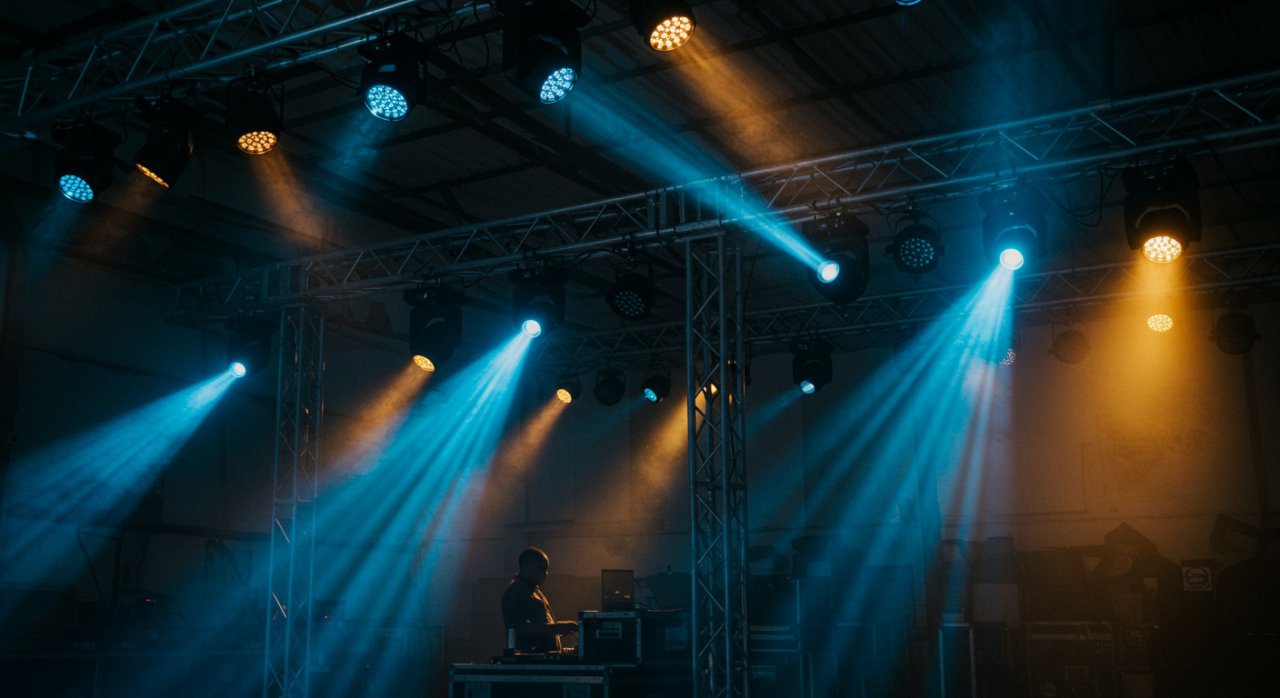
Essential Features of LED Screens for Dynamic Generative Art
When selecting an LED screen for generative art, specific technical features are paramount to faithfully reproduce the dynamic and often intricate nature of the artwork. Ultra-high refresh rates are crucial to prevent any flickering or tearing, ensuring the smooth, fluid motion inherent in generative algorithms. A very fine pixel pitch is essential for rendering intricate patterns and subtle gradients with precision, especially for close-up viewing. Wide color gamut support (e.g., DCI-P3) and superior color processing capabilities are vital for accurate and vibrant color reproduction, allowing the artist's full palette to shine. Low latency is also important for interactive generative art, ensuring responsiveness to real-time inputs. Sound Hire Nairobi provides cutting-edge LED screen for generative art solutions that are specifically designed to meet these rigorous demands, offering artists in Nairobi the ideal platform for their evolving creations, capturing every detail of their unique algorithmic visions.
Creative Installations: Where Generative Art Meets LED Screens
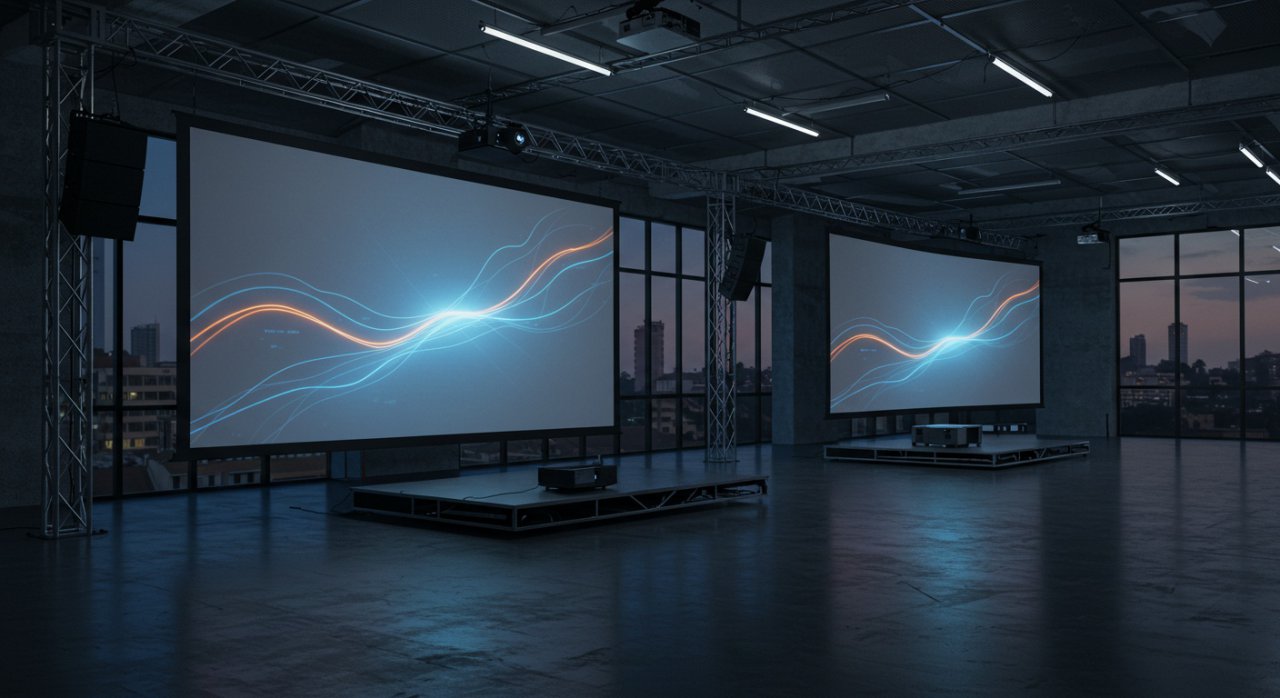
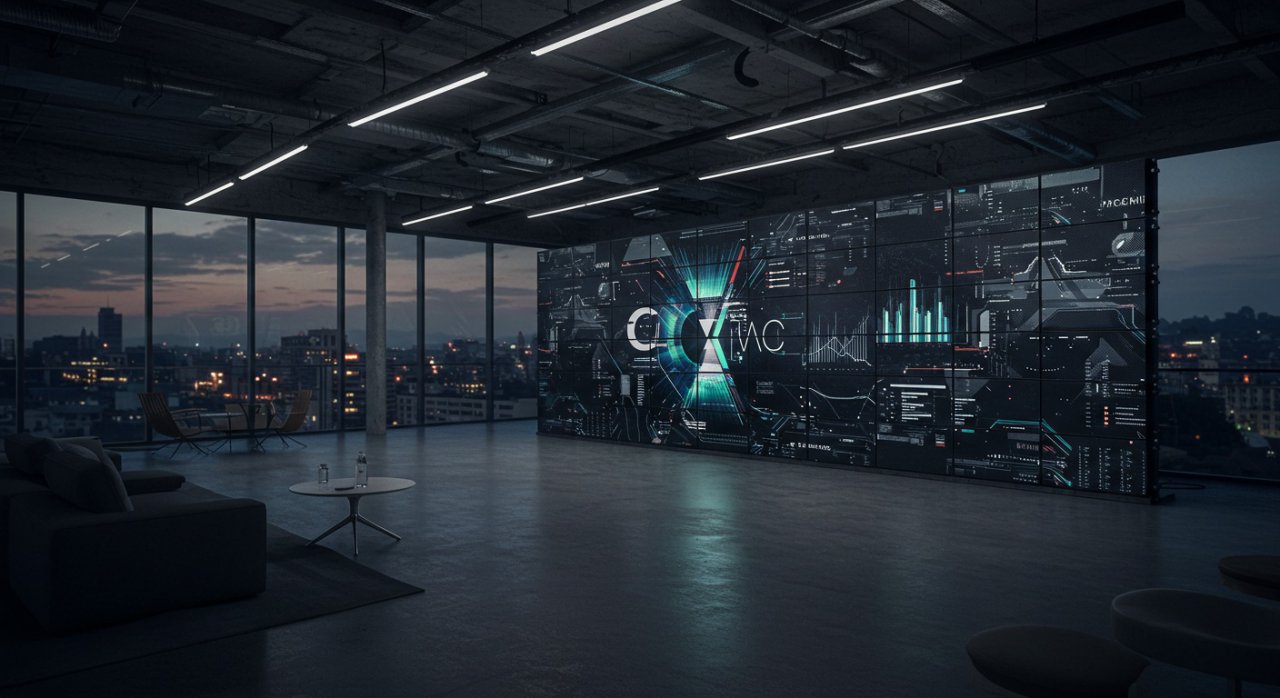
The application of an LED screen for generative art extends to diverse and innovative installations. In art galleries and museums, large-scale LED video walls can become living canvases, showcasing algorithms that continuously evolve, offering a new experience with each visit. For public art installations, outdoor LED screens can transform urban landscapes into dynamic, ever-changing visual spectacles, reacting to environmental data or audience interaction. At music festivals and events, generative art displayed on LED screens can create immersive environments that synchronize with sound, enhancing the sensory experience. Artists can also integrate smaller, flexible LED panels into architectural designs or sculptural forms, blurring the lines between technology, art, and space. The versatility of an LED screen allows generative artists in Nairobi to explore new dimensions of scale, interaction, and visual storytelling, creating truly unique and memorable experiences.
Optimizing Content Flow for Real-Time Generative Art on LED
Optimizing the content flow for real-time generative art on an LED screen involves several technical considerations. The generative software or system must be capable of outputting high-resolution, high-frame-rate video signals that match the LED screen's specifications. Advanced media servers and video processors are often used to manage these complex signals, ensuring seamless delivery and synchronization. Calibration of the LED screen is critical to ensure accurate color reproduction and brightness uniformity, which is essential for the subtle variations often found in generative art. Latency management is also important, especially for interactive installations, to ensure immediate visual feedback. Collaborating with technical experts who understand both generative art principles and LED display technology can ensure that the artistic vision is flawlessly translated onto the screen. This ensures the LED screen for generative art performs optimally.
The Future of Digital Expression: Generative Art and Immersive Displays
The intersection of generative art and immersive LED displays points towards an exciting future for digital expression. As LED technology advances, offering even finer pixel pitches and more flexible forms, generative artists will have unprecedented canvases for their work. Imagine entire rooms or buildings transformed into dynamic, evolving artworks, where the algorithmic processes unfold around the viewer. Interactive generative art, powered by sensors and real-time data, will create truly personalized and responsive experiences. These immersive environments will blur the lines between art, technology, and viewer, fostering deeper engagement and new forms of artistic co-creation. The LED screen for generative art is not just a display; it's a gateway to new dimensions of artistic possibility, constantly evolving alongside the art it presents, inspiring new creative explorations in Nairobi and beyond.
Partnering with Experts for Your Generative Art Installation in Nairobi
Choosing the right technical partner for your generative art installation in Nairobi is paramount to its success. Look for a company with a deep understanding of cutting-edge visual technologies and a proven track record in supporting complex artistic projects. They should offer a diverse range of high-performance LED screens suitable for the unique demands of generative art, including options for high resolution, refresh rates, and color accuracy. A reliable partner provides comprehensive technical support, from initial consultation and system design to professional installation, calibration, and on-site operation. Sound Hire Nairobi is a leading provider of premium event equipment rental and technical production services, specializing in advanced visual solutions for innovative artistic endeavors. Our team is dedicated to bringing your generative art vision to life with the perfect LED screen for generative art.