
Why an Event Photography Contract is Essential
When planning any significant occasion, from corporate galas to grand weddings in Nairobi, securing your services with a clear event photography contract is not just a formality; it's a necessity. This legal document serves as a protective shield for both the client and the photography service provider, outlining the scope of work, expectations, and responsibilities. It ensures that both parties are on the same page, minimizing misunderstandings and providing a solid framework for a successful collaboration. A well-drafted event photography contract clarifies deliverables, payment terms, and contingency plans, offering peace of mind. It’s an assurance that your cherished memories will be captured professionally and delivered as promised. Understanding the key clauses within this agreement empowers you to make informed decisions and ensures your investment is well-protected. Let's delve into the crucial elements that make up a robust event photography agreement.
Key Elements of a Comprehensive Event Photography Contract
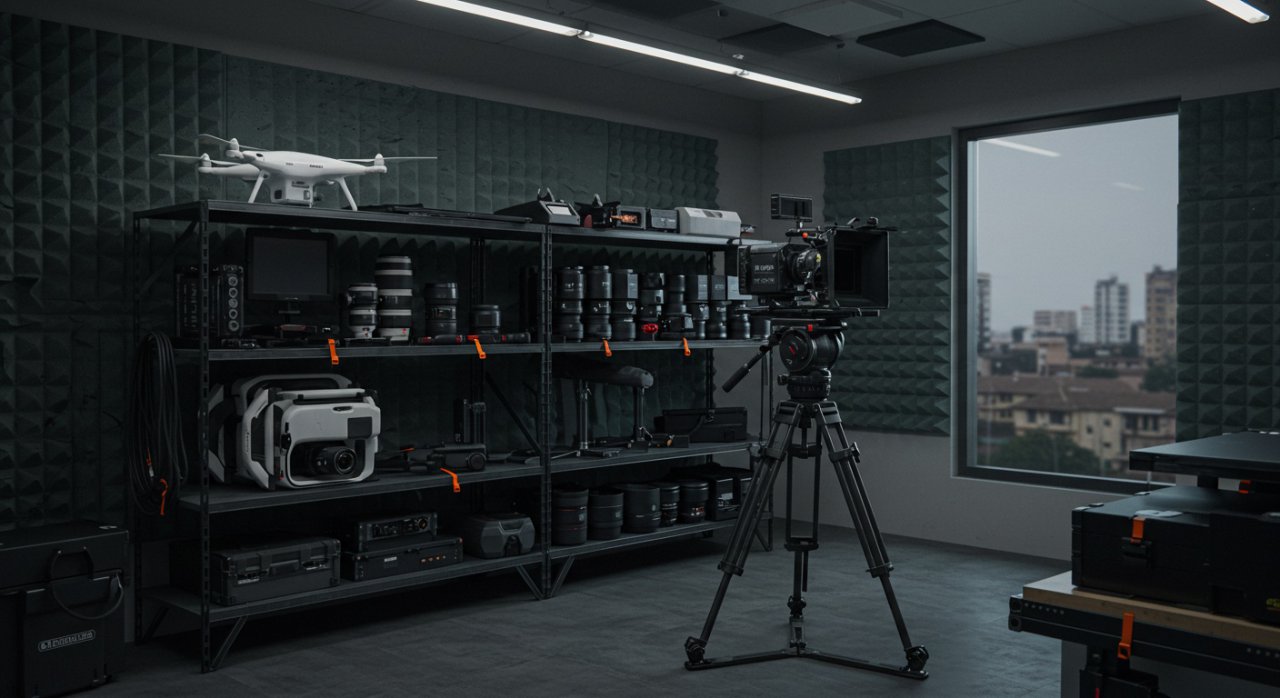
A comprehensive event photography contract should clearly define several critical elements to prevent future disputes. Firstly, it must state the full names and contact information of both the client and the photography company. Secondly, precise details about the event, including the date, time, and specific location in Nairobi, are essential. This ensures there's no ambiguity about when and where the services will be rendered. Thirdly, the contract should meticulously describe the services to be provided. This includes the number of photographers, hours of coverage, types of equipment used, and any specific photographic styles or moments to be captured. It should also specify any additional services, such as photo booths, drone photography, or videography, if applicable. Clarity on the scope of work is paramount to ensure both parties understand what is included and what might incur additional charges. A well-detailed service description within the event photography contract sets clear expectations and forms the backbone of the agreement, ensuring a smooth service delivery for your event in Nairobi.
Understanding Payment Terms and Schedules
One of the most crucial sections in an event photography contract pertains to payment terms and schedules. This part of the agreement outlines the total cost of the photography services, breaking down various components if necessary. It specifies the amount of the initial deposit required to secure the booking, which is typically non-refundable. The contract will also detail the payment schedule for the remaining balance. Common practices include requiring the final payment a certain number of days before the event, on the day of the event, or upon delivery of the final images. Any late payment penalties or discounts for early payment should also be clearly stated. Furthermore, the contract should address how additional costs, such as extended hours of coverage on the event day or requests for extra prints, will be calculated and billed. Understanding these financial clauses is vital for budget planning and avoiding unexpected charges. A transparent payment structure within the event photography contract ensures financial clarity and builds trust between the client and the photography service provider in Nairobi, making the entire process seamless.
Rights and Usage of Images: What You Need to Know

The section concerning the rights and usage of images within your event photography contract is incredibly important, especially in the digital age. This part of the agreement clarifies who owns the copyright to the photographs. Typically, the photographer retains the copyright, but the contract grants the client a license to use the images for specific purposes. For personal events like weddings, this usually means unlimited personal use, allowing you to print, share online, and create albums. For corporate events in Nairobi, the contract will define the scope of commercial use, such as whether the images can be used for marketing, press releases, or internal communications. It should also address whether the photographer has the right to use the images for their portfolio or promotional purposes. If you require exclusive rights or wish to prevent the photographer from using the images, this must be explicitly negotiated and stated in the contract. Understanding these terms ensures you know exactly how you can use the photographs and protects both parties' interests regarding image distribution and reproduction. This clarity in the event photography contract is vital for long-term satisfaction.
Cancellation and Rescheduling Policies
Life is unpredictable, and sometimes events need to be cancelled or rescheduled. A robust event photography contract will include clear clauses detailing the cancellation and rescheduling policies. This section typically outlines the conditions under which either party can cancel the agreement and any financial implications associated with such actions. For instance, it will specify if the initial deposit is non-refundable and what percentage of the total fee might be due if cancellation occurs within a certain timeframe before the event date. Similarly, the contract should address rescheduling. It will state whether there are any fees for changing the date, especially if the new date requires the photographer to turn down other bookings. It should also clarify what happens if the photographer is unable to make the rescheduled date. Force majeure clauses, covering unforeseen circumstances like natural disasters or pandemics, are also often included to protect both parties. A well-defined cancellation and rescheduling policy in the event photography contract provides security and clarity, ensuring that both the client and the photographer are prepared for various eventualities when planning an event in Nairobi.
Deliverables and Turnaround Times: Getting Your Photos
The deliverables and turnaround times section of your event photography contract specifies exactly what you will receive and when. This includes the format of the final images (e.g., high-resolution JPEGs, web-optimized files, RAW files), the number of edited photographs, and how they will be delivered (e.g., online gallery, USB drive, prints). The contract should also detail any additional products included in your package, such as photo albums, prints, or slideshows. Crucially, it will provide an estimated turnaround time for the delivery of the initial selection of images and the final edited collection. This timeline can vary depending on the event's size and the photographer's workload, but a clear expectation should be set. Any provisions for expedited delivery services and their associated costs should also be mentioned. Understanding these terms ensures you know when and how you will receive your cherished event memories. This clarity about the final product and its delivery schedule is a key component of a satisfactory event photography contract, ensuring that your expectations for your Nairobi event are met.
Legal Protections for Both Parties in the Contract
Beyond the practical details, an event photography contract serves as a vital legal protection for both the client and the photographer. It establishes a legally binding agreement that outlines the rights and responsibilities of each party. This includes clauses on liability, indemnification, and dispute resolution mechanisms. For example, it might specify what happens if equipment fails, or if there are unforeseen circumstances that prevent the photographer from performing their duties. It also protects the photographer from unreasonable demands or non-payment. For the client, it ensures that the promised services will be delivered to a professional standard and provides recourse if expectations are not met. The contract might also include provisions for confidentiality, especially important for sensitive corporate events. By clearly defining these legal aspects, the event photography contract minimizes potential conflicts and provides a framework for resolving any issues that may arise. This legal safeguard ensures a professional and secure transaction for all event photography services rendered in Nairobi, fostering trust and confidence in the entire process.