The Crucial Role of Accurate Power Assessment
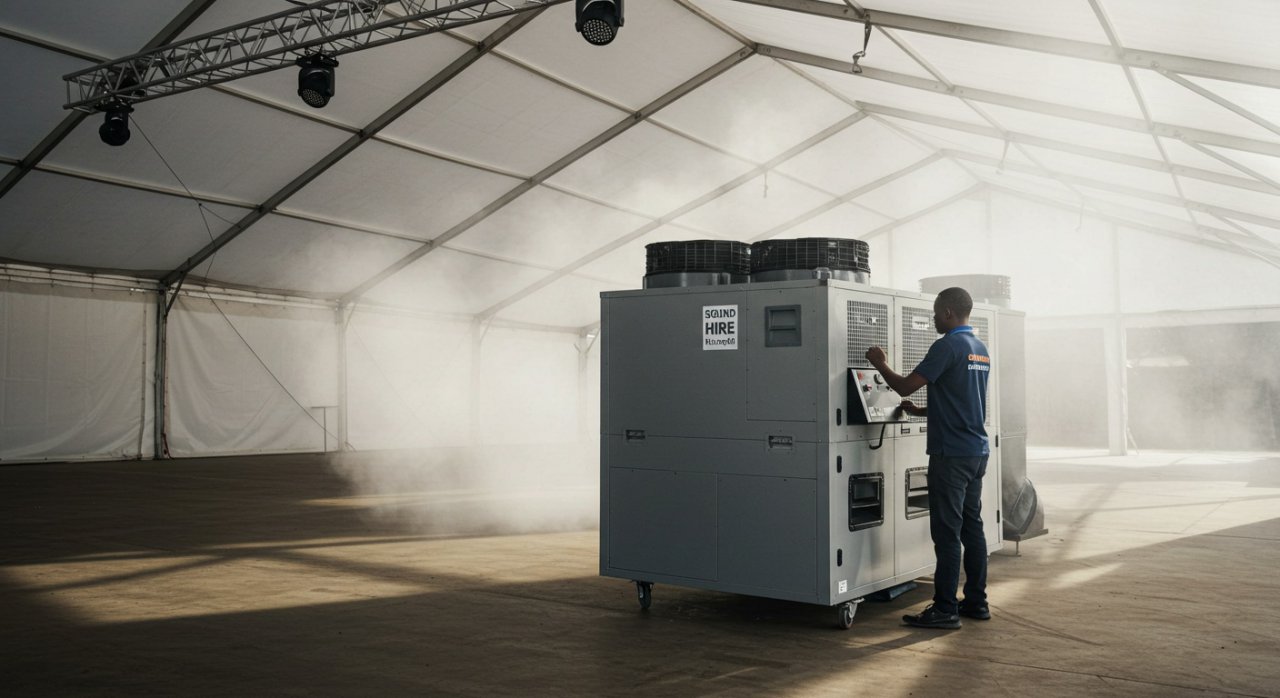
Planning any event in Nairobi, from a small corporate gathering to a large-scale festival, requires a fundamental understanding of its power needs. Underestimating these requirements can lead to critical failures, such as tripped circuits, equipment damage, or even complete power outages, turning a well-planned event into a chaotic experience. This is why precise event power load calculation is not just a recommendation but an absolute necessity for success. It involves meticulously assessing every piece of electrical equipment to determine the total power demand, ensuring that the supplied electricity is sufficient and stable. Sound Hire Nairobi specializes in expert event power load calculation, providing the foundation for a seamless and reliably powered event.
Understanding Event Power Load Calculation
Event power load calculation is the process of determining the total electrical power required to operate all equipment and systems at an event. This includes everything from lighting rigs and sound systems to catering equipment, vendor stalls, LED screens, and even charging stations for mobile devices. The calculation takes into account the wattage or amperage of each item, considering both its running power and its peak (startup) power. It’s a detailed inventory and summation that provides a clear picture of the maximum electrical demand your event will place on its power source. An accurate calculation is the first and most critical step in designing a reliable power distribution system, preventing overloads, and ensuring safety for everyone involved.
Why Accurate Calculation is Non-Negotiable
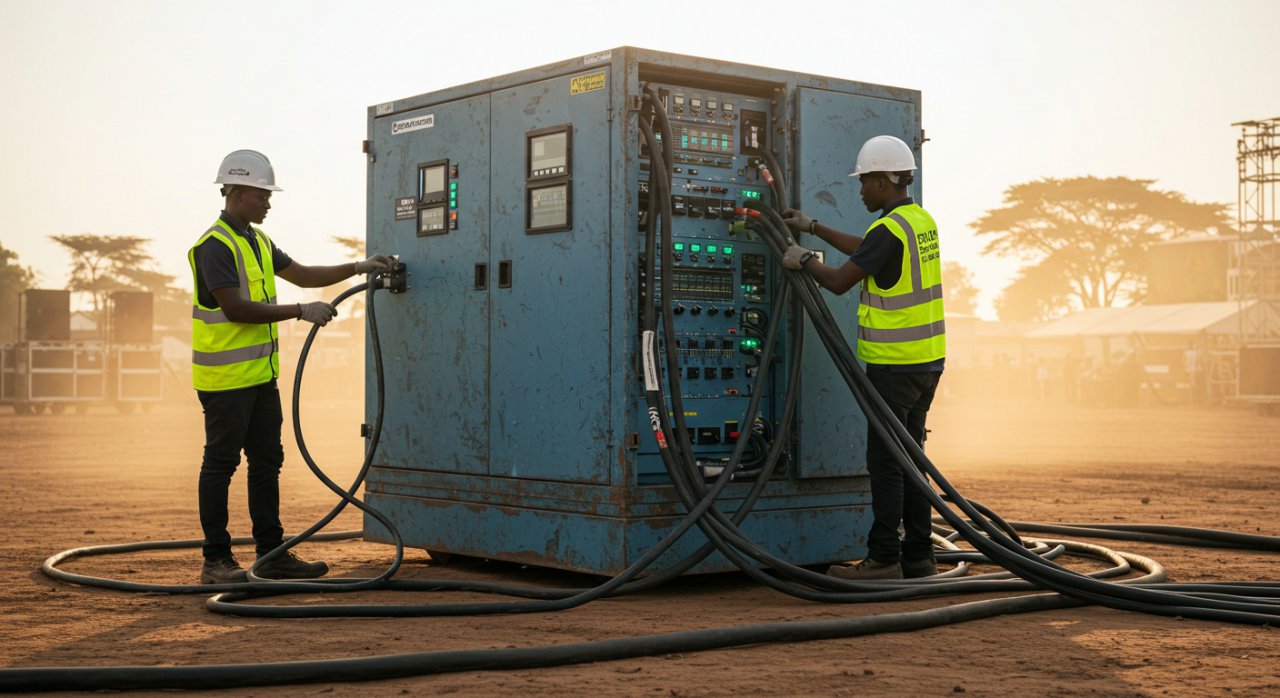
The consequences of inaccurate event power load calculation can be severe. Underestimation leads to insufficient power, resulting in tripped breakers, flickering lights, malfunctioning sound systems, and potentially damaging sensitive electronics. This can cause significant disruptions, delays, and a negative experience for attendees and organizers alike. Conversely, overestimation can lead to unnecessary expenses, as you might rent larger or more generators than actually needed, increasing fuel costs and rental fees. Precise calculation ensures optimal resource allocation, prevents costly downtime, enhances safety, and ultimately contributes to the smooth and successful execution of your event in Nairobi. It's the cornerstone of dependable event power.
Key Factors in Determining Power Needs

Several key factors influence the accuracy of your event power load calculation. Firstly, a comprehensive list of all electrical equipment, including its wattage or amperage, is essential. This must cover all aspects of the event, from stage lighting and audio equipment to kitchen appliances and office support systems. Secondly, consider the diversity factor: not all equipment will run at its maximum capacity simultaneously. A professional calculation accounts for this, applying a realistic usage estimate. Thirdly, the event's duration and type (e.g., concert vs. conference) influence continuous power needs. Lastly, always include a contingency buffer, typically 20-30%, to accommodate unforeseen equipment additions or power surges, ensuring a margin of safety and reliability.
The Step-by-Step Process of Calculation
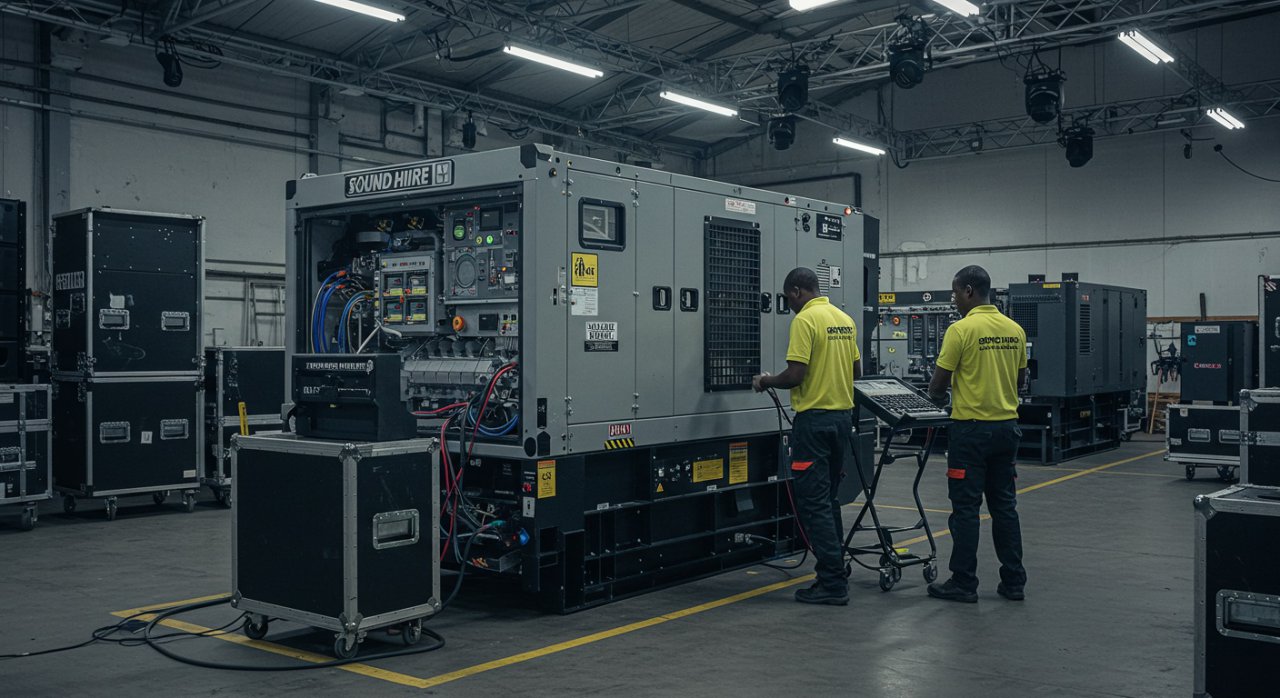
The professional process of event power load calculation typically follows a structured approach. It begins with gathering detailed specifications for every electrical item, noting both continuous and peak power draws. These individual power requirements are then summed up for each distinct area or circuit. A diversity factor is applied to these sums to get a more realistic total, acknowledging that not everything will be at full power at once. Critical loads are identified, and contingency power (like backup generators) is planned. The final calculation determines the total power capacity needed, informing the selection of generators, cabling, and distribution boards. This meticulous process ensures that the power system is perfectly matched to the event's demands, guaranteeing a seamless operation.
Common Pitfalls and How to Avoid Them
Despite its importance, several common pitfalls can compromise accurate event power load calculation. One major mistake is underestimating the power draw of certain equipment, particularly those with high startup surges like motors or amplifiers. Another is failing to account for all minor loads, such as phone chargers, laptops, or small fans, which can add up significantly. Overlooking the need for redundancy or backup power for critical systems is also a common error. Relying on rough estimates instead of precise data is a recipe for disaster. To avoid these issues, it is crucial to engage experienced professionals who use systematic methods, detailed inventories, and apply appropriate safety margins, ensuring no detail is missed and your event's power is always sufficient.
Expert Assistance for Your Power Load Calculation
Given the complexity and critical nature of event power load calculation, engaging expert assistance is highly recommended. Sound Hire Nairobi provides specialized services in this area, leveraging years of experience and technical expertise to accurately assess your event's power needs. Our team uses industry-standard methodologies and sophisticated tools to perform precise calculations, ensuring that your event receives the right amount of power without waste or risk of failure. By partnering with us, you gain peace of mind, knowing that your power infrastructure is designed on a solid foundation of accurate data, allowing you to focus on the myriad other details that make your event a success in Nairobi.