Understanding Power Needs for Nairobi Seminars
Successful seminars in Nairobi depend heavily on a stable and reliable power supply. This is where accurate event power load calculation becomes absolutely critical. It involves meticulously assessing the power requirements of all electrical equipment used during an event, from audio systems and projectors to lighting and charging stations. Underestimating these needs can lead to serious consequences, including tripped circuits, power outages, equipment damage, or even safety hazards like electrical fires. A precise calculation ensures that your seminar runs smoothly and efficiently, without any disruptive power interruptions. It is the foundational step for any secure and effective power distribution plan for seminar venues across Nairobi. We ensure every device gets the power it needs.
Why Accurate Power Calculation is Crucial for Seminars
Accurate event power load calculation is not merely a technicality; it is a cornerstone of event safety and success. Firstly, it prevents dangerous overloads on electrical circuits, which can lead to fires or equipment malfunction. Safety is paramount for any gathering in Nairobi, and a properly calculated power load mitigates these risks significantly. Secondly, precise calculation ensures uninterrupted power, preventing embarrassing and disruptive blackouts during critical presentations or discussions. Imagine a keynote speaker losing power mid-sentence; this can severely impact the professionalism of your seminar. Thirdly, it optimizes resource allocation, ensuring you hire or utilize generators and distribution equipment that are perfectly sized for your needs, avoiding costly over-specification or dangerous under-specification. This saves money and enhances efficiency. Finally, it provides peace of mind, knowing that your seminar's technical backbone is robust and dependable. Every piece of equipment, from a simple laptop charger to complex AV setups, relies on this foundational step for seamless operation. This meticulous planning is especially vital in Nairobi's diverse range of seminar venues.
Key Factors in Event Power Load Calculation
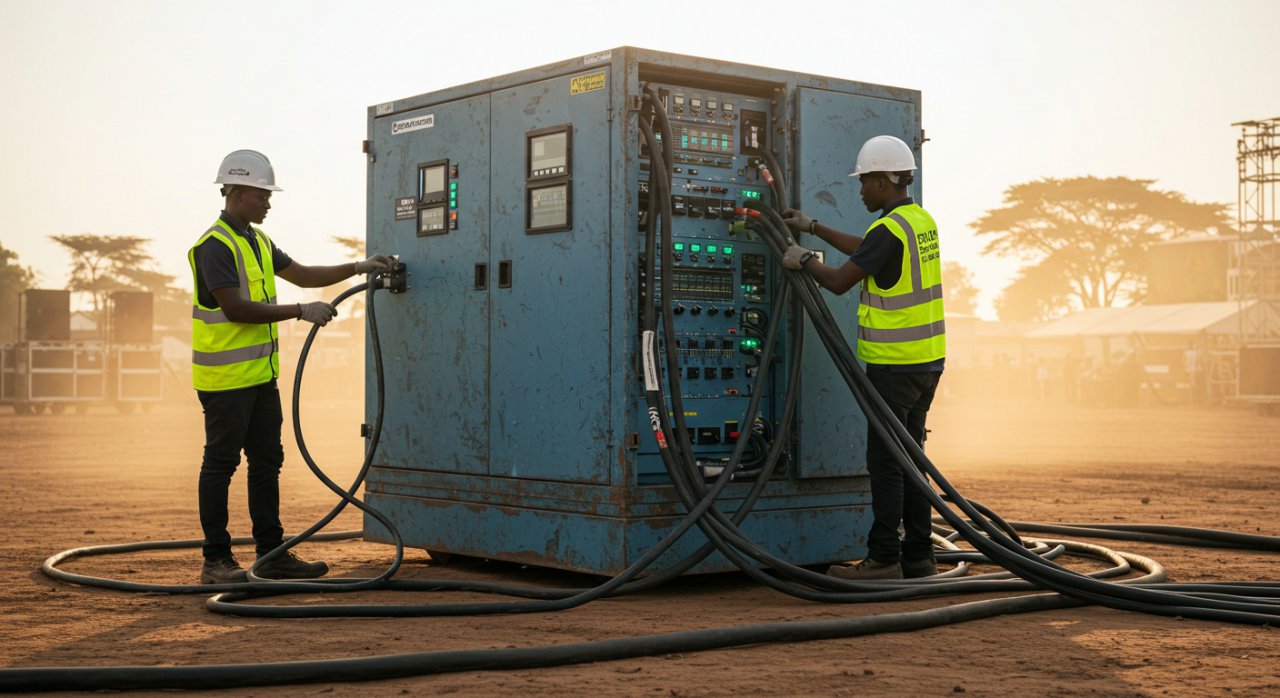
Several critical factors must be considered during event power load calculation to achieve accurate results. The first is a comprehensive inventory of all electrical equipment. This includes every device that will draw power, such as laptops, projectors, sound systems, microphones, stage lighting, LED screens, catering equipment, and even mobile device charging stations. For each item, its power rating (typically in watts or amperes) must be identified. This information is usually found on the equipment's label or in its specifications. Secondly, the duration of use for each piece of equipment is important; some items might be continuously on, while others are used intermittently. Thirdly, the 'diversity factor' must be applied. This acknowledges that not all equipment will operate at its maximum power consumption simultaneously. Experienced technicians can apply appropriate diversity factors to prevent over-calculating power needs while still ensuring safety. Consideration of startup current, especially for motors or large audio systems, is also vital as these can draw significantly more power for a brief moment. Lastly, understanding the existing power infrastructure of the seminar venue in Nairobi is crucial. This includes available outlets, circuit breaker capacities, and the overall quality of the electrical system.
Step-by-Step Guide to Calculating Power Loads
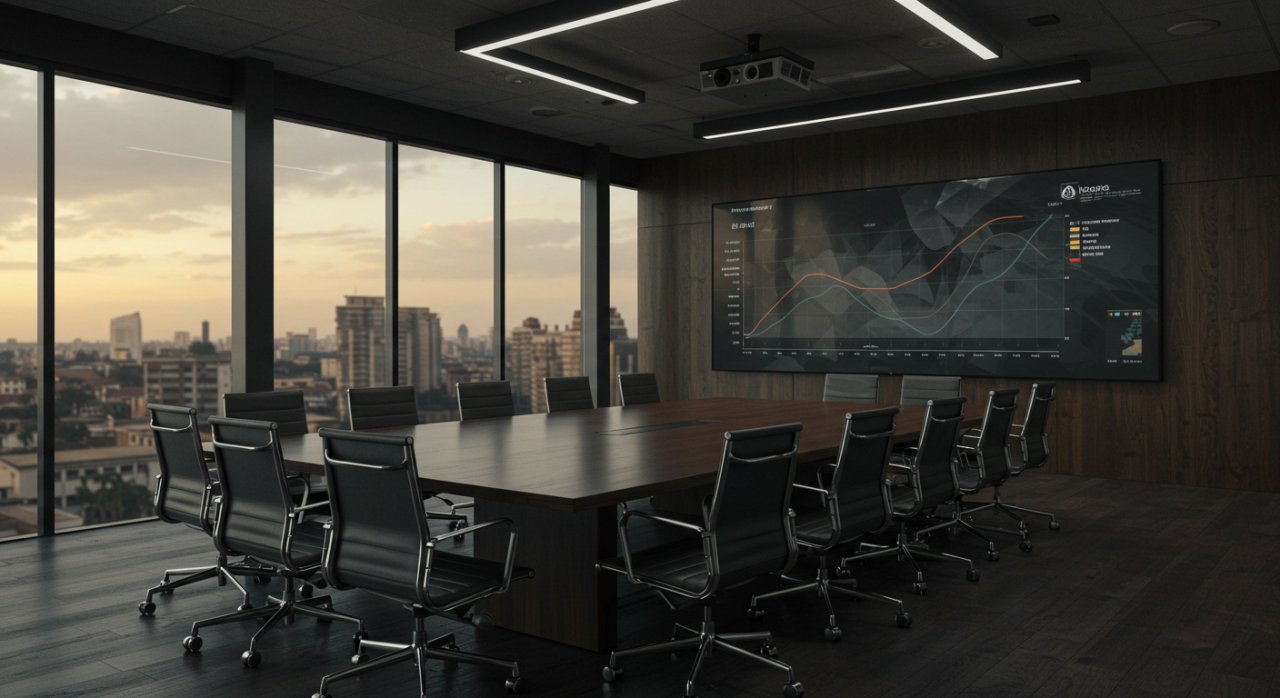
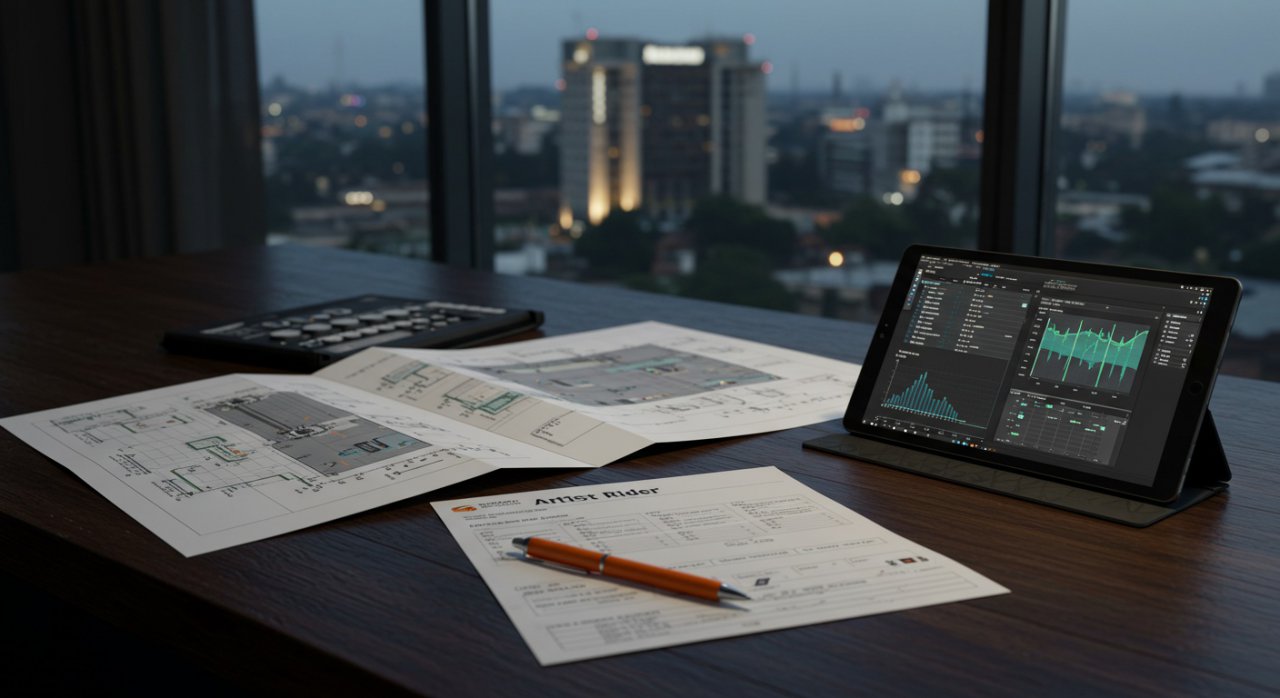
Executing a proper event power load calculation involves a systematic approach. Begin by creating a detailed list of every electrical device planned for the seminar. Next, for each item on your list, identify its maximum power consumption in watts or amps. This information is usually printed on the device itself or found in its manual. Once you have the individual power ratings, sum them up to get a raw total. This sum represents the absolute maximum power demand if every single device were operating at full capacity simultaneously. However, as mentioned, this rarely happens. The next crucial step is to apply a diversity factor, which reduces the raw total based on realistic simultaneous usage. This requires expertise to avoid underestimation. Always add a safety margin, typically 10-20%, to account for unforeseen additions or fluctuations. Convert all calculations to a common unit, usually kilowatts (kW) or kilovolt-amperes (kVA), which are standard for generator and distribution equipment sizing. Finally, compare your calculated total with the venue's available power supply. If the venue's supply is insufficient, external power sources like generators will be necessary. This detailed process ensures every aspect of your seminar in Nairobi is powered correctly and safely.
Common Challenges in Seminar Power Management
Despite meticulous planning, several challenges can arise in seminar power management, making accurate event power load calculation even more critical. One common issue is the limitations of existing venue infrastructure, especially in older buildings in Nairobi. These venues may have outdated wiring, insufficient circuit breakers, or limited power outlets, making it difficult to support modern, power-hungry seminar equipment. Another challenge is last-minute changes to the event plan. Speakers might add unexpected equipment, or the number of attendees requiring charging stations might increase, leading to unforeseen power demands. Unexpected power fluctuations or brownouts from the main grid can also pose a threat, necessitating backup power solutions like UPS systems or generators. Inadequate cable management can create trip hazards and lead to power loss due to damaged cables. Without a precise power load calculation, these challenges can quickly escalate into major disruptions. Professional power providers can anticipate these issues, design resilient systems, and implement solutions like temporary distribution panels and redundant power sources to ensure your seminar remains powered and productive, regardless of external factors or last-minute adjustments.
The Role of Professional Power Distribution Services
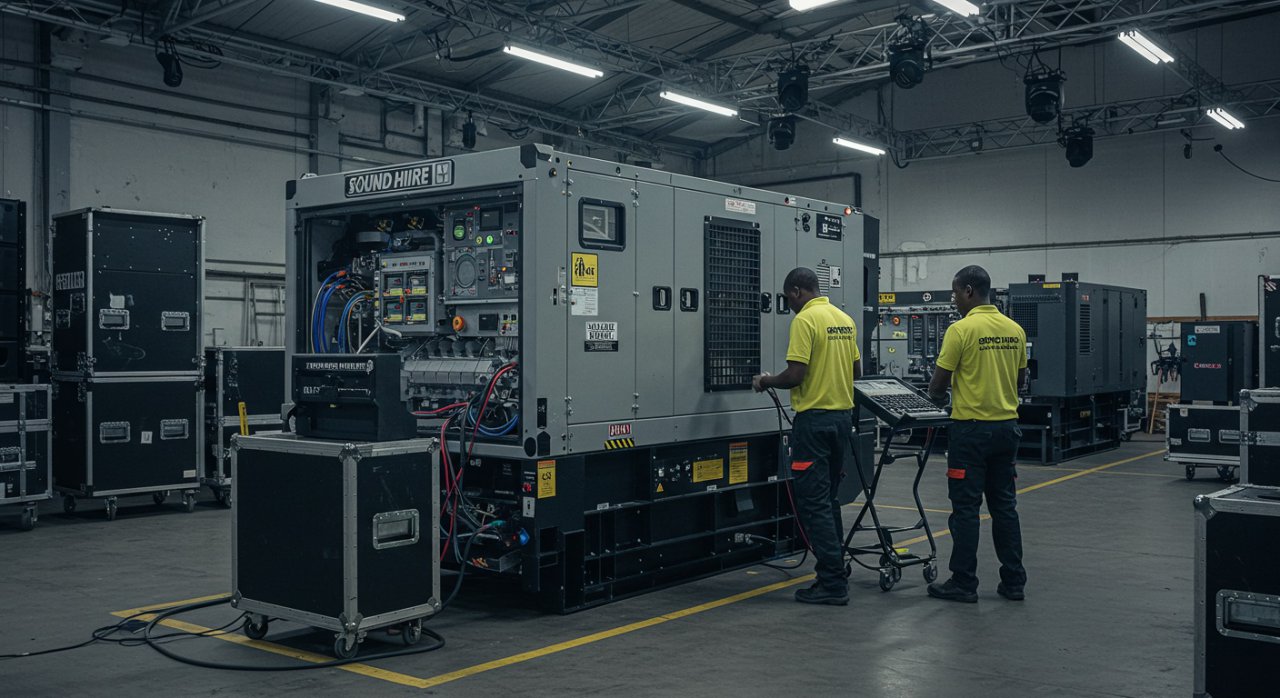
Engaging professional power distribution services is indispensable for any significant seminar in Nairobi. These experts bring specialized knowledge and equipment to ensure your event's power needs are met flawlessly. They conduct thorough site assessments, accurately performing event power load calculation based on your specific equipment and venue constraints. Professionals provide appropriate power distribution equipment, including generators, temporary electrical panels, cables, and connectors, all compliant with safety standards. Their skilled technicians handle the entire setup, ensuring proper grounding, load balancing, and secure cable runs, minimizing risks. They also offer on-site monitoring throughout the event, quickly addressing any power-related issues that may arise. This proactive approach prevents disruptions and ensures continuous operation. By outsourcing your power needs to a reputable agency like Sound Hire Nairobi, you gain access to reliable equipment, experienced personnel, and the peace of mind that comes from knowing your seminar's power is in capable hands. This allows you to focus on the content and success of your event, rather than worrying about electrical failures.
Ensuring Safety and Efficiency in Nairobi Seminar Venues
Ensuring both safety and efficiency in Nairobi seminar venues begins and ends with meticulous power planning. A precise event power load calculation is the first and most vital step towards this goal. Beyond calculation, proper implementation of power distribution systems is paramount. This includes the use of high-quality, certified cables and connectors that can handle the specified loads without overheating. Proper grounding techniques are essential to prevent electrical shocks and protect sensitive equipment from surges. Effective cable management, such as using cable ramps and securing runs, not only prevents trip hazards but also protects the integrity of the power supply. Implementing redundancy, such as backup generators or UPS systems, provides an extra layer of security against unexpected power outages. Regular testing of all power equipment before the event is also a non-negotiable step to identify and rectify any potential faults. By combining accurate calculations with robust safety protocols and efficient setup, seminar organizers can guarantee a smooth, safe, and professional experience for all attendees and presenters in Nairobi. Sound Hire Nairobi is committed to these high standards.