
Capturing the Essence of Nairobi Festivals
Nairobi's vibrant festival scene demands exceptional visual storytelling. Implementing festival photography best practices is crucial for event organizers and photographers alike. These practices ensure that the unique energy, atmosphere, and key moments of any festival are captured effectively. From understanding lighting challenges to anticipating crowd dynamics, professional execution is key. Sound Hire Kenya is dedicated to providing top-tier event photography services in Nairobi. We adhere to stringent best practices to deliver stunning results. This guide outlines essential techniques for making your festival photography a resounding success, ensuring every memory is preserved beautifully.
Pre-Event Planning and Preparation
Thorough preparation is fundamental to successful festival photography. Before the event, establish clear objectives with the client. Understand the festival's theme, key performers, sponsors, and target audience. Create a shot list to ensure all critical elements are covered. Scout the venue if possible to identify optimal shooting locations and potential challenges. Check the weather forecast and plan accordingly, as Nairobi's climate can be unpredictable. Ensure your equipment is in perfect working order. Pack backup batteries, memory cards, lenses, and even a backup camera body. Familiarize yourself with the event schedule to anticipate key moments. Discussing these details upfront is one of the most important festival photography best practices. This ensures alignment and maximizes efficiency on the day.
Mastering Lighting and Exposure
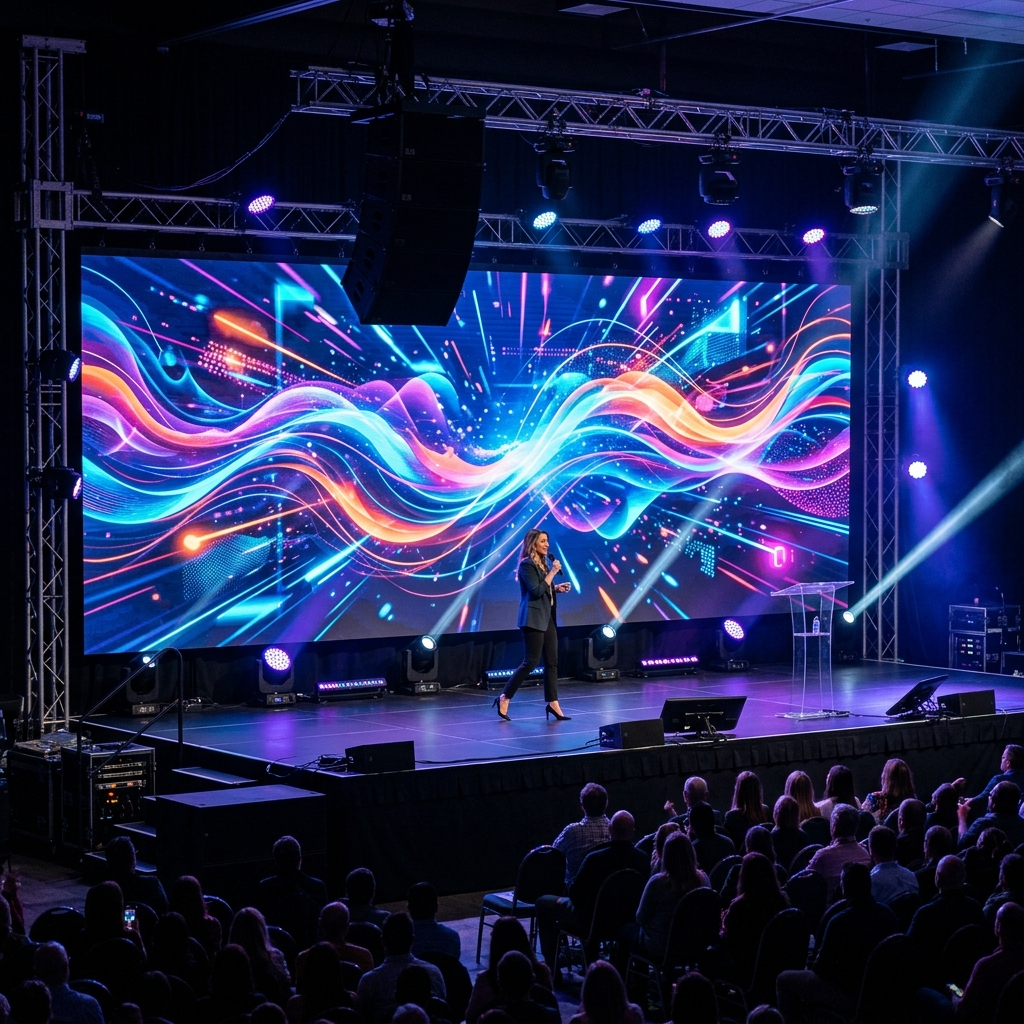
Festival lighting conditions are often dynamic and challenging, making mastery of light a key practice. During daylight hours, manage harsh sunlight to avoid blown-out highlights or deep shadows. Use diffusers or reflectors when necessary. As dusk approaches, transition to capturing the ambient light, often incorporating the vibrant colors of stage lighting. Experiment with shutter speeds to freeze action or convey motion blur artistically. Understand how to balance exposure between bright stage lights and darker audience areas. For nighttime shots, utilize high ISO settings judiciously, balancing noise with the need for detail. Employing prime lenses with wide apertures can help gather more light. Proper exposure and creative use of light are critical festival photography best practices for impactful images.
Navigating Crowds and Capturing Atmosphere

Festivals are defined by their crowds and atmosphere. Photographers must learn to navigate these environments effectively. Move strategically to find unique vantage points without disrupting attendees. Use wider lenses to capture the scale of the crowd and the overall ambiance. Get closer to capture candid moments of joy and interaction. Look for interesting expressions and interactions between people. Consider shooting from slightly elevated positions or from within the crowd for a more immersive feel. Respect personal space and avoid intrusive behavior. The goal is to document the collective experience authentically. Capturing genuine atmosphere is a cornerstone of festival photography best practices, telling the story of the event's spirit.
Focusing on Key Subjects and Details
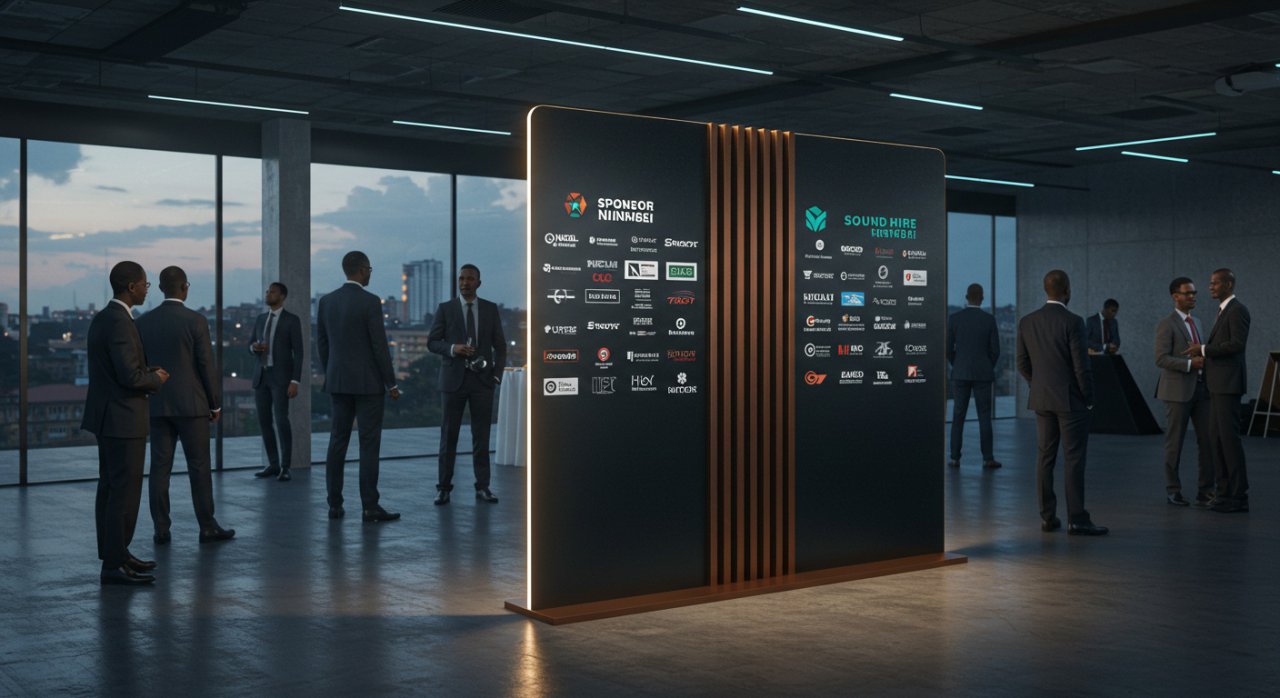
While capturing the overall atmosphere is important, focusing on key subjects and details elevates festival photography. This includes capturing dynamic shots of performers on stage, paying attention to their expressions and movements. Document sponsor activations and branding effectively. Capture details like food stalls, art installations, and unique festival merchandise. Don't forget the candid moments – people dancing, laughing, or engaging with the event. Use a variety of focal lengths to switch between wide, establishing shots and intimate close-ups. Telling a complete story requires documenting both the grand scale and the intricate details. This holistic approach is part of the essential festival photography best practices for comprehensive event coverage.
Post-Production and Delivery
The work doesn't end when the event is over. Post-production is a critical phase in delivering exceptional festival photography. Carefully select the best images that tell the story of the festival. Edit photos for color correction, exposure, and sharpness. Maintain consistency in editing style throughout the set. Remove distracting elements where possible without altering the reality of the scene. Optimize images for their intended use, whether for web, social media, or print. Deliver the final images to the client within the agreed timeframe. Providing a well-organized gallery with clear labeling is also important. Following these post-production festival photography best practices ensures a professional and polished final product that meets client expectations.
Working with a Professional Agency in Nairobi
For many event organizers in Nairobi, partnering with a professional photography agency like Sound Hire Kenya is the most effective approach. Agencies offer experienced teams, robust equipment, and established workflows. They understand the nuances of event coverage and client management. Choosing an agency ensures reliability and consistency, especially for larger festivals. They can provide multiple photographers to cover different aspects simultaneously. Their expertise in post-production guarantees high-quality deliverables. Relying on professionals allows you to focus on other aspects of event management. Adhering to festival photography best practices is inherent in their service. This partnership ensures your festival is documented beautifully and effectively.