
Understanding Festival Stakeholder Management
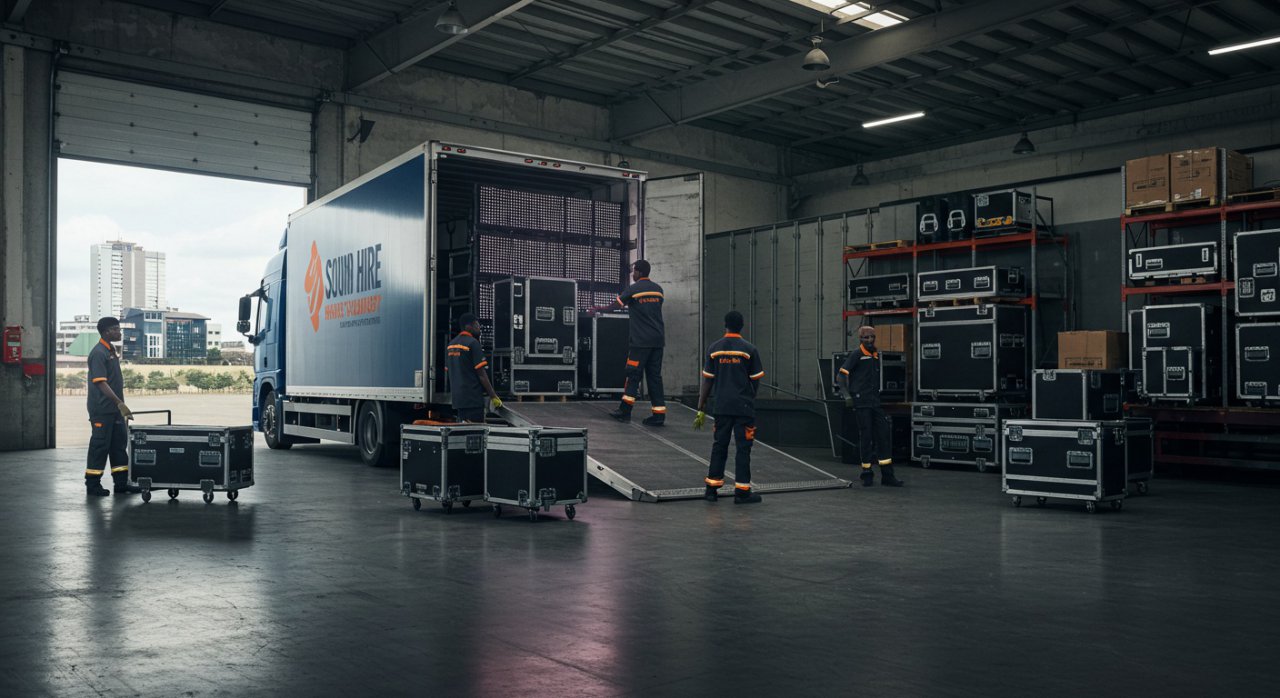
Successful festivals in Nairobi rely heavily on meticulous festival stakeholder management. This involves identifying, engaging, and coordinating with all parties invested in the event's success. From local authorities and sponsors to artists, vendors, and the community, each stakeholder plays a crucial role. Effective management ensures clear communication, addresses concerns proactively, and fosters collaborative relationships. Sound Hire Nairobi, as a leading event equipment rental and technical production agency, understands the complexities of orchestrating these diverse interests. We are dedicated to providing the technical backbone that allows for seamless execution, making robust festival stakeholder management achievable for events across Kenya's vibrant capital.
Identifying Key Festival Stakeholders
The first step in successful festival stakeholder management is thorough identification. Key stakeholders for any festival in Nairobi include government agencies like the county council and safety bodies. Sponsors and partners are vital for funding and resources. Artists, performers, and their management teams are central to the festival's appeal. Vendors, including food and merchandise sellers, contribute to the attendee experience and festival economy. Security personnel, medical teams, and technical crews ensure safety and smooth operation. Local community groups and residents affected by the event need consideration. Finally, the attendees themselves are the ultimate stakeholders whose satisfaction drives future success. Understanding the unique needs and expectations of each group is paramount for effective planning and execution in Nairobi.
Developing a Stakeholder Engagement Plan
Once stakeholders are identified, a comprehensive engagement plan is essential for effective festival stakeholder management. This plan outlines how and when to communicate with each group. For government bodies, this might involve regular updates on safety protocols and licensing. Sponsors require tailored communication about brand visibility and ROI. Artists need clear schedules and technical riders addressed promptly. Vendors need information on logistics, setup, and operational guidelines. Community engagement might involve public consultations or information sessions. The plan should define communication channels, frequency, and key contact persons. Sound Hire Nairobi assists by providing clear technical specifications and logistical information. This ensures all parties have the data they need, facilitating smoother collaboration and minimizing misunderstandings in Nairobi's dynamic event landscape.
Communication Strategies for Diverse Groups

Effective communication is the cornerstone of any successful festival. Different stakeholders require tailored communication approaches. For instance, formal reports and meetings might be necessary for government officials and major sponsors. Direct, clear instructions are vital for technical crews and security personnel. Engaging newsletters or social media updates can keep the wider community informed. For artists and performers, prompt responses to technical and logistical queries are crucial. Establishing a central point of contact for all stakeholder inquiries streamlines communication. This ensures consistency in messaging and efficient resolution of issues. In Nairobi, where diverse cultural backgrounds are present, clear and culturally sensitive communication is particularly important. This proactive approach prevents misinterpretations and builds trust among all parties involved.
Managing Expectations and Conflict Resolution
A critical aspect of festival stakeholder management involves managing diverse expectations and resolving potential conflicts. Each stakeholder group will have unique goals and priorities. Sponsors might focus on brand exposure, while local residents may be concerned about noise levels. Artists will expect specific technical provisions and performance times. Sound Hire Nairobi works closely with festival organizers to ensure technical requirements are met. This includes providing detailed stage plots and sound system configurations. When conflicts arise, a structured approach to resolution is necessary. This involves active listening, understanding underlying concerns, and seeking mutually agreeable solutions. Prompt and fair conflict resolution builds confidence and strengthens relationships, crucial for the long-term success of festivals in Nairobi.
Leveraging Technology for Stakeholder Coordination
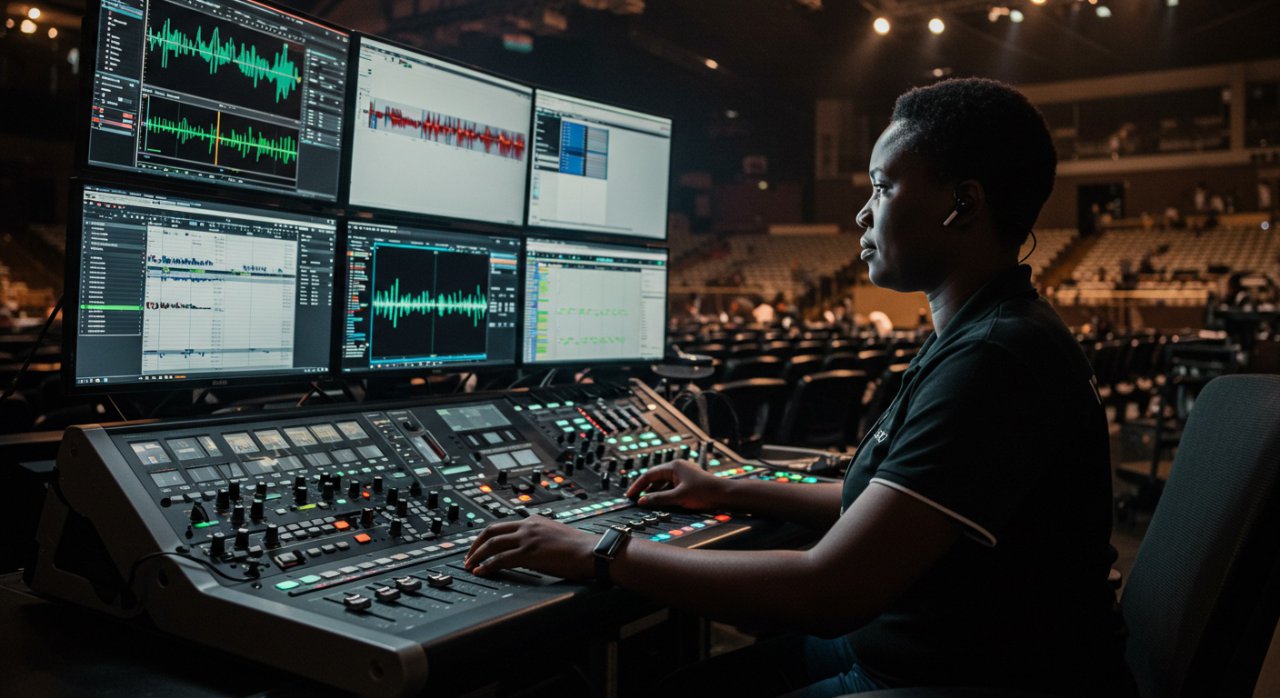
Modern technology offers powerful tools for enhancing festival stakeholder management. Cloud-based platforms can centralize information, making schedules, contact lists, and important documents accessible to relevant parties. Project management software helps track tasks, deadlines, and responsibilities across different teams. Communication apps facilitate real-time updates and quick dissemination of urgent information. For technical aspects, specialized software can manage equipment inventory, crew scheduling, and stage planning. Sound Hire Nairobi utilizes advanced systems for managing technical production elements. This ensures accurate delivery and setup of sound, lighting, and staging. By integrating technology, festival organizers can improve transparency, efficiency, and responsiveness, leading to better coordination in Nairobi.
Post-Festival Stakeholder Relations
The work of festival stakeholder management does not end when the last attendee leaves. Post-festival engagement is vital for building lasting relationships and improving future events. This includes providing comprehensive post-event reports to sponsors, detailing their ROI and event impact. Gathering feedback from all stakeholders through surveys or debriefing sessions provides invaluable insights. Acknowledging contributions and thanking participants fosters goodwill. For technical partners like Sound Hire Nairobi, a post-event review ensures equipment was returned safely and feedback on performance is noted. Building strong relationships with stakeholders ensures their continued support and participation in future Nairobi festivals, contributing to a thriving local event scene.