
Building Resilience for Your Nairobi Festival
Large-scale events like festivals in Nairobi inherently carry risks. Ensuring the safety and well-being of attendees, staff, and performers requires meticulous preparation. This is where comprehensive festival emergency planning services become indispensable. These services focus on anticipating potential threats, developing robust response strategies, and establishing clear communication protocols to manage any crisis effectively. Sound Hire Nairobi understands the critical importance of preparedness. We advocate for and support organizers in implementing thorough emergency plans, ensuring that your festival is not only a memorable celebration but also a secure environment for everyone involved in Kenya.
The Necessity of Proactive Emergency Planning
A festival environment can present a unique set of challenges, from severe weather conditions, which can impact Nairobi's climate, to potential security threats or large-scale medical emergencies. Without adequate festival emergency planning services, responding to such events can be chaotic and ineffective, potentially leading to serious consequences. Proactive planning involves identifying all conceivable risks, assessing their likelihood and potential impact, and developing detailed action plans for each scenario. This includes evacuation procedures, communication strategies, and resource management during a crisis. A well-defined emergency plan acts as a roadmap, guiding organizers and response teams through stressful situations with clarity and confidence.

Key Elements of a Festival Emergency Plan
Effective festival emergency planning services encompass several critical elements. A comprehensive plan typically includes a site layout detailing emergency exits, assembly points, and the location of safety equipment. It defines clear roles and responsibilities for all personnel involved in emergency response, including event staff, security, medical teams, and volunteers. Communication protocols are established to ensure information is disseminated quickly and accurately to all stakeholders, including attendees via public address systems or digital channels. The plan also outlines procedures for managing specific emergencies such as fire, medical incidents, severe weather, security threats, and crowd control issues. Regular reviews and updates are essential to keep the plan relevant and effective for the specific context of Nairobi.
Risk Assessment and Mitigation Strategies

A cornerstone of festival emergency planning services is a thorough risk assessment. This process involves systematically identifying potential hazards associated with the festival's location, scale, activities, and audience. Risks can be environmental (e.g., heavy rain, heatwaves), technical (e.g., equipment failure), operational (e.g., crowd surges), or security-related. Once risks are identified, mitigation strategies are developed to reduce their likelihood or impact. This might involve implementing enhanced security measures, ensuring robust crowd management plans, securing reliable power sources, or having contingency plans for adverse weather. For festivals in Nairobi, understanding local environmental factors and potential challenges is crucial for effective risk mitigation.
Communication and Coordination During Emergencies
During an emergency, clear and efficient communication is paramount. Festival emergency planning services must establish robust communication networks. This involves ensuring reliable channels between the command center, on-site teams (security, medical, operations), and external emergency services like the police and fire departments. Pre-defined communication protocols dictate how information is shared, who needs to be informed, and the escalation process. Utilizing technology, such as two-way radios, mobile apps, and public address systems, is vital. Effective coordination ensures a unified response, preventing confusion and enabling swift action to protect attendees and manage the situation effectively in Kenya.
Training and Drills for Preparedness
A well-crafted emergency plan is only effective if the teams responsible for implementing it are adequately trained and prepared. Part of comprehensive festival emergency planning services involves conducting regular training sessions and drills for all key personnel. These exercises simulate various emergency scenarios, allowing teams to practice their roles, test communication systems, and refine response procedures. Drills help identify weaknesses in the plan or execution, providing valuable opportunities for improvement before a real crisis occurs. For festivals in Nairobi, ensuring that all staff and volunteers understand their responsibilities during an emergency is critical for maintaining safety and order.
Sound Hire Nairobi's Role in Event Safety
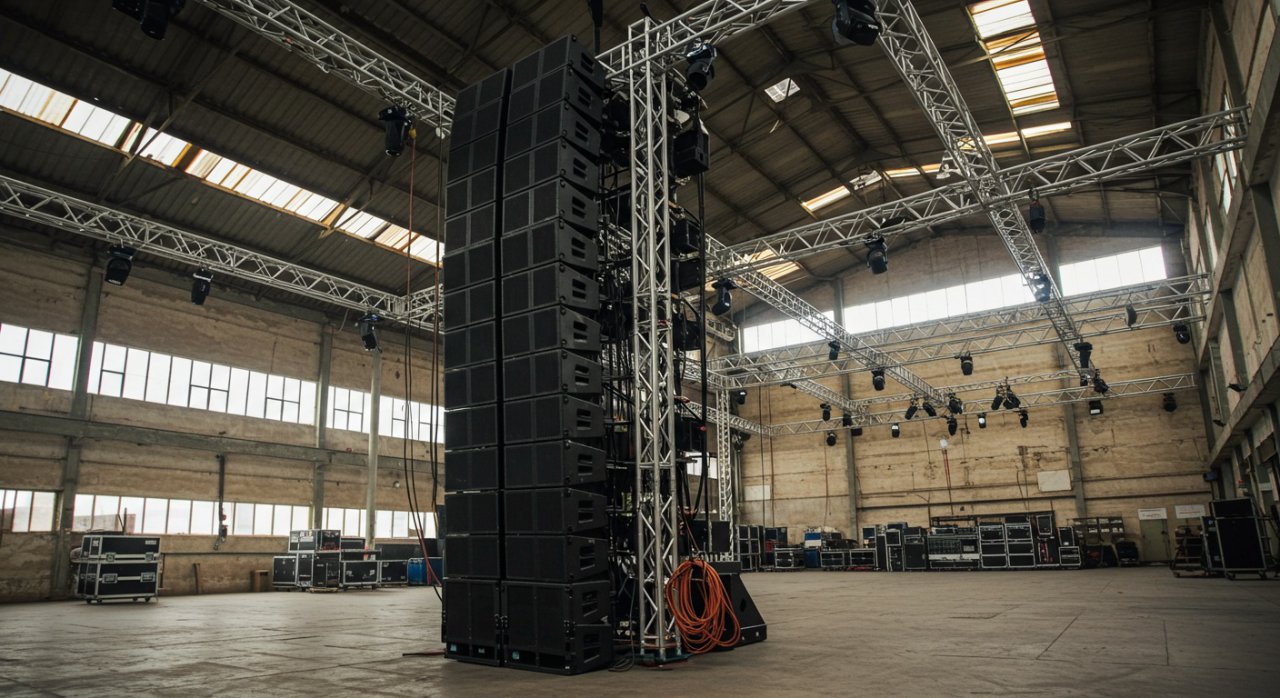
Sound Hire Nairobi plays a supportive role in enhancing event safety by providing reliable technical production and equipment. Our robust sound systems are crucial for delivering clear emergency announcements and instructions to large crowds, ensuring vital information reaches attendees quickly. We also provide dependable lighting and power solutions, minimizing the risk of technical failures that could exacerbate an emergency situation. By ensuring the technical infrastructure is sound, we help organizers focus on critical aspects like festival emergency planning services and response. We are committed to contributing to a safe and secure environment for all events we support in Nairobi, Kenya, ensuring our technical expertise complements comprehensive safety strategies.