

Why Festival Crisis Management Planning is Crucial
In the dynamic environment of Nairobi, robust festival crisis management planning is not just advisable; it's essential. Unexpected events, from severe weather and technical failures to security incidents, can disrupt even the best-organized festivals. A well-defined crisis management plan ensures swift, effective responses, minimizing potential harm to attendees, staff, and the event's reputation. Sound Hire Nairobi, as a premier event equipment rental and technical production agency, understands the critical importance of preparedness. We work alongside organizers to integrate safety and contingency measures into the technical setup, ensuring that our services contribute to a secure festival environment. Thorough festival crisis management planning is key to navigating unforeseen challenges successfully.
Identifying Potential Festival Risks
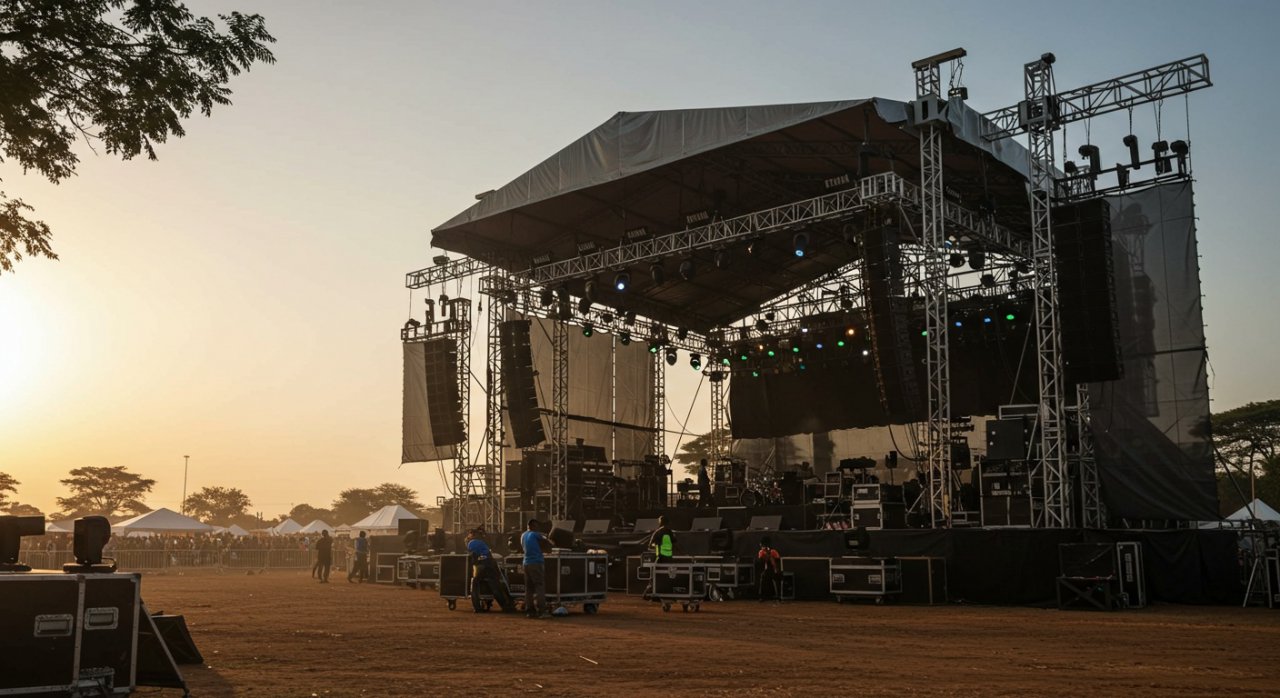
The foundation of effective festival crisis management planning lies in comprehensive risk identification. For festivals in Nairobi, potential risks are varied. Natural elements like heavy rains or strong winds can impact outdoor stages and equipment. Technical failures, such as power outages or sound system malfunctions, can halt performances. Security threats, including overcrowding or unauthorized access, require immediate attention. Medical emergencies necessitate rapid response protocols. Fire hazards, transportation disruptions, and even public health concerns are other critical areas to assess. Sound Hire Nairobi meticulously assesses potential technical risks associated with power, sound, and lighting. Identifying these vulnerabilities allows for the development of targeted mitigation strategies and contingency plans, ensuring preparedness for diverse scenarios.
Developing a Crisis Response Team and Protocols
A core component of festival crisis management planning is establishing a dedicated crisis response team and clear protocols. This team should comprise individuals with defined roles and responsibilities, such as a festival director, security lead, medical coordinator, and technical manager. Their primary duty is to activate the crisis plan when needed. Protocols must outline specific actions for different types of crises. This includes communication chains, evacuation procedures, emergency contact lists, and methods for assessing and containing incidents. For technical crises, the team must know who to contact at Sound Hire Nairobi for immediate support. Clear, actionable steps ensure a coordinated and efficient response, minimizing panic and damage during stressful situations in Nairobi.
Communication Strategies During a Crisis

Effective communication is paramount during a festival crisis. The crisis management plan must detail how information will be disseminated to various stakeholders. This includes internal communication among the response team and external communication to attendees, media, and authorities. Designated spokespersons should deliver consistent and accurate information. Utilizing multiple channels, such as stage announcements, social media updates, and SMS alerts, ensures broad reach. For technical issues, clear communication between the festival organizers and the technical team, like Sound Hire Nairobi, is vital. Establishing pre-approved messaging templates for common scenarios can expedite communication. Timely and transparent communication helps manage public perception and maintain order during emergencies.
Contingency Planning for Technical Failures
Technical failures can significantly disrupt a festival. Robust festival crisis management planning must include specific contingencies for sound, lighting, and power systems. This involves having backup equipment readily available, such as generators and redundant audio components. Sound Hire Nairobi ensures that critical systems are designed with fail-safes and that our technicians are trained to troubleshoot rapidly. Establishing clear protocols for reporting and addressing technical issues is essential. This includes defining escalation procedures and ensuring 24/7 technical support availability during the event. Planning for potential failures of complex technical setups minimizes downtime and ensures the festival can continue with minimal interruption for attendees in Nairobi.
Emergency Preparedness and Evacuation Procedures
Comprehensive festival crisis management planning must include detailed emergency preparedness and evacuation procedures. This involves identifying safe assembly points throughout the venue and clear, well-marked evacuation routes. Training staff and security personnel on these procedures is critical. Information regarding evacuation should be communicated to attendees through signage and announcements. Specific plans should address different emergency scenarios, such as fire, medical emergencies, or security threats requiring evacuation. The coordination with local emergency services in Nairobi is also a vital part of this planning. Ensuring all personnel understand their roles during an evacuation can save lives and maintain order.
Post-Crisis Review and Improvement
After any crisis event, a thorough post-crisis review is a crucial step in festival crisis management planning. This involves analyzing the effectiveness of the response, identifying what worked well, and pinpointing areas for improvement. The crisis response team should gather feedback from all involved parties, including technical staff from Sound Hire Nairobi. Documenting lessons learned helps refine protocols and update the crisis management plan for future events. This continuous improvement cycle ensures that the festival becomes more resilient and better prepared to handle future challenges. Such reviews are essential for maintaining high safety standards and ensuring the long-term viability of festivals in Nairobi.