
Capturing the Pulse: Key Festival Videography Techniques for Nairobi's Dynamic Events
Festivals are vibrant, energetic, and often chaotic events. They present unique challenges and incredible opportunities for videographers. Mastering effective festival videography techniques is paramount to capturing their true essence. From music concerts to cultural celebrations in Nairobi, the goal is to convey the atmosphere, emotion, and scale of the experience. This requires a blend of technical skill, creative vision, and quick thinking. Unlike controlled environments, festivals are unpredictable. Videographers must be adaptable and prepared for anything. Our team at Sound Hire Nairobi understands the specific demands of these dynamic events. We employ cutting-edge strategies to ensure every beat, cheer, and colorful moment is immortalized. This guide explores the most effective festival videography techniques. It equips you with insights to produce stunning, engaging video content. Let us help you elevate your next festival coverage in Nairobi to an art form.
Dynamic Camera Movement and Stabilisation
Capturing the energy of a festival demands dynamic camera movement. However, this must be paired with excellent stabilization. Shaky footage can quickly detract from the viewing experience. Professional videographers utilize a range of tools. Gimbals, steadycams, and sliders are crucial for smooth, flowing shots. These devices allow for tracking performers on stage. They also enable gliding through dense crowds. This creates an immersive feel. The goal is to put the viewer right in the heart of the action. Handheld shots can add a raw, immediate feel, but they still require careful technique. Mastering smooth pans, tilts, and dollies is fundamental. This ensures the footage is both exciting and watchable. In Nairobi’s bustling festival scene, agile movement is key. Videographers often need to navigate challenging environments. Effective stabilization ensures that even fast-paced movements result in professional-grade video. This is one of the most critical festival videography techniques. It helps distinguish amateur footage from professional productions. Our team invests in top-tier stabilization equipment. We train our videographers extensively in its use. This guarantees every shot is polished and engaging. It contributes significantly to the overall quality of the festival video. Dynamic and stable footage truly brings the festival to life for viewers.
Mastering Audio Recording in Challenging Environments
Audio is just as crucial as visuals in festival videography. Capturing high-quality sound in a loud, open-air environment is a significant challenge. However, it's one of the most important festival videography techniques. Poor audio can ruin an otherwise stunning video. Videographers must employ specialized microphones and recording strategies. Directional microphones are essential for isolating sound sources, like a stage performance. Wireless lavalier microphones can be used for interviews or specific performers. Recording separate audio tracks from the soundboard is often ideal. This provides a clean mix of the music or speeches. Ambient crowd noise can then be blended in during post-production. This creates an authentic atmosphere without overwhelming the primary audio. In Nairobi, outdoor festivals often contend with wind and diverse sound sources. Effective wind screens and careful mic placement are vital. Our audio engineers are experts in festival sound capture. They ensure crisp, clear audio that complements the visuals perfectly. This attention to sound detail enhances the immersive quality of the video. It makes viewers feel like they are truly present at the event. Never underestimate the power of good audio. It is the backbone of a truly great festival video.
Creative Lighting and Exposure Management
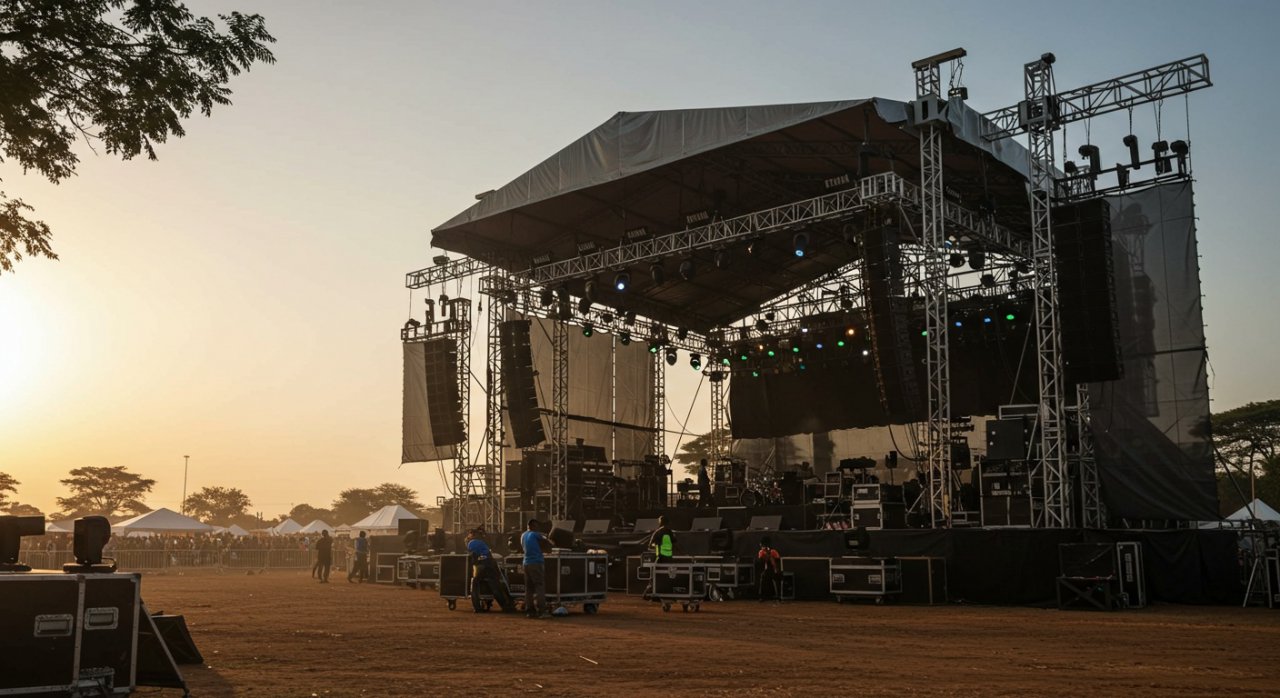
Festivals often feature complex and ever-changing lighting conditions. From bright daylight to elaborate stage lighting at night, videographers must adapt quickly. Mastering creative lighting and exposure management is a core set of festival videography techniques. This ensures consistent, high-quality footage throughout the event. Manual exposure control is often preferred over automatic settings. It allows videographers to maintain control over brightness and contrast. This is especially important when transitioning between different lighting setups. Using fast lenses with wide apertures is beneficial in low-light conditions. It captures more light and creates beautiful depth of field. Understanding color temperatures is also crucial. It helps to accurately represent the vibrant colors of stage lights and decorations. In Nairobi, outdoor events can involve harsh sunlight. Indoor venues might have challenging mixed lighting. Our videographers are skilled at adjusting settings on the fly. They use their expertise to handle any lighting scenario. This ensures every frame is perfectly exposed and visually appealing. Proper lighting management enhances the mood and visual impact of the festival video. It transforms challenging conditions into artistic opportunities. This meticulous approach elevates the overall production value significantly.
Multi-Camera Setups and Strategic Positioning
To fully capture the scale and complexity of a festival, a multi-camera setup is often indispensable. This is one of the most advanced festival videography techniques. Strategic camera positioning allows for comprehensive coverage from various angles. One camera might focus on the main stage. Another could be dedicated to capturing crowd reactions. A third might roam, capturing candid moments and behind-the-scenes action. This provides a rich tapestry of footage. It offers diverse perspectives during editing. It also minimizes the risk of missing key moments. If one camera experiences an issue, others can provide backup footage. In large Nairobi festivals, having multiple vantage points is critical. It ensures all the excitement is documented. Our team plans camera placements meticulously. They consider sightlines, potential obstructions, and desired shots. This ensures maximum coverage and visual variety. The use of multiple cameras also enables dynamic editing. It allows for quick cuts between different views. This maintains viewer engagement. It creates a more immersive and exciting final video. This technique is essential for professional-grade festival videography. It captures the full scope and energy of the event effectively.
Storytelling Through Editing and Post-Production
The magic of festival videography truly comes alive in post-production. This is where raw footage is transformed into a compelling story. Effective editing is one of the most crucial festival videography techniques. It involves carefully selecting the best shots. It also means arranging them into a cohesive narrative. Music plays a vital role in setting the mood and pacing. Syncing visuals to the beat can create an exhilarating experience. Color grading enhances the visual appeal. It ensures consistency across different shots. Sound design, including mixing and mastering, polishes the audio. It balances music, dialogue, and ambient sounds. Short, punchy edits are often preferred for festival highlights. They maintain high energy. Longer, more atmospheric sequences can be used for establishing shots or emotional moments. In Nairobi, our editors are masters of storytelling. They know how to weave together diverse footage. They create a video that captures the festival's unique spirit. They focus on highlighting peak moments and emotional connections. This includes crowd reactions, performer close-ups, and sweeping venue shots. The post-production phase is where the true narrative takes shape. It turns hours of footage into a concise, impactful, and unforgettable film. This is where the artistry of videography shines.
Safety Protocols and Ethical Considerations for Festival Filming
Operating in a busy festival environment requires strict adherence to safety protocols and ethical guidelines. These are often overlooked but vital festival videography techniques. Ensuring the safety of the crew, performers, and attendees is paramount. This involves careful planning and risk assessment. Obtaining necessary permits and permissions is also crucial. Respecting personal space and privacy, especially in crowded areas, is essential. Videographers must be mindful of cultural sensitivities. They should avoid intrusive filming. Clear communication with event organizers and security personnel is vital. This ensures smooth operations and quick resolution of any issues. Drone operations, in particular, require strict adherence to aviation regulations. They also need careful consideration of crowd safety. In Nairobi, our team prioritizes safety above all else. We conduct thorough site surveys. We also brief our crew on all safety procedures. We ensure all necessary licenses and permits are in place. Ethical considerations also extend to the use of captured footage. Obtaining consent where appropriate is important. We maintain transparency in our operations. This builds trust with both clients and festival-goers. Responsible videography practices not only protect everyone. They also enhance the professional reputation of the production. This allows for a smooth and successful filming experience.