Elevating Your Visual Storytelling: Key Event Videography Best Practices in Nairobi
Creating a successful event video goes beyond simply pointing a camera and hitting record. It requires meticulous planning, technical expertise, and a deep understanding of storytelling. Adhering to established event videography best practices ensures that your final product is not just good, but exceptional. For events in Nairobi, where competition for attention is high, quality videography is paramount. These practices cover everything from pre-production strategies to post-production finesse. They guarantee a seamless workflow and a captivating visual narrative. Our team at Sound Hire Nairobi prides itself on upholding the highest standards. We consistently apply these guidelines to every project. This ensures your event’s story is told with clarity, impact, and professional polish. This guide outlines the fundamental event videography best practices. It empowers you to make informed decisions. It helps you achieve outstanding results for your next Nairobi event.
Thorough Pre-Production Planning and Communication
The foundation of any successful event video lies in thorough pre-production planning. This is one of the most critical event videography best practices. It involves detailed discussions with the client to understand their vision, goals, and specific requirements. Key elements to cover include the event schedule, desired shot list, critical moments to capture, and any specific branding guidelines. Site visits to the venue in Nairobi are essential. They help identify potential challenges, assess lighting conditions, and plan camera placements. A comprehensive shot list and storyboard can guide the videography team on the day. This ensures no important moment is missed. Clear communication channels must be established between the client and the videography team. This includes contact persons, emergency protocols, and approval processes. A well-prepared team can react swiftly to unexpected changes. They maintain a calm and professional demeanor. This meticulous planning phase prevents costly mistakes. It ensures a smooth and efficient filming process. It also aligns expectations from the outset. Our team at Sound Hire Nairobi emphasizes this planning stage. We believe it is the bedrock of a successful video production. It guarantees that the final output perfectly matches the client's vision. This proactive approach saves time and resources.
Utilizing High-Quality Equipment and Redundancy
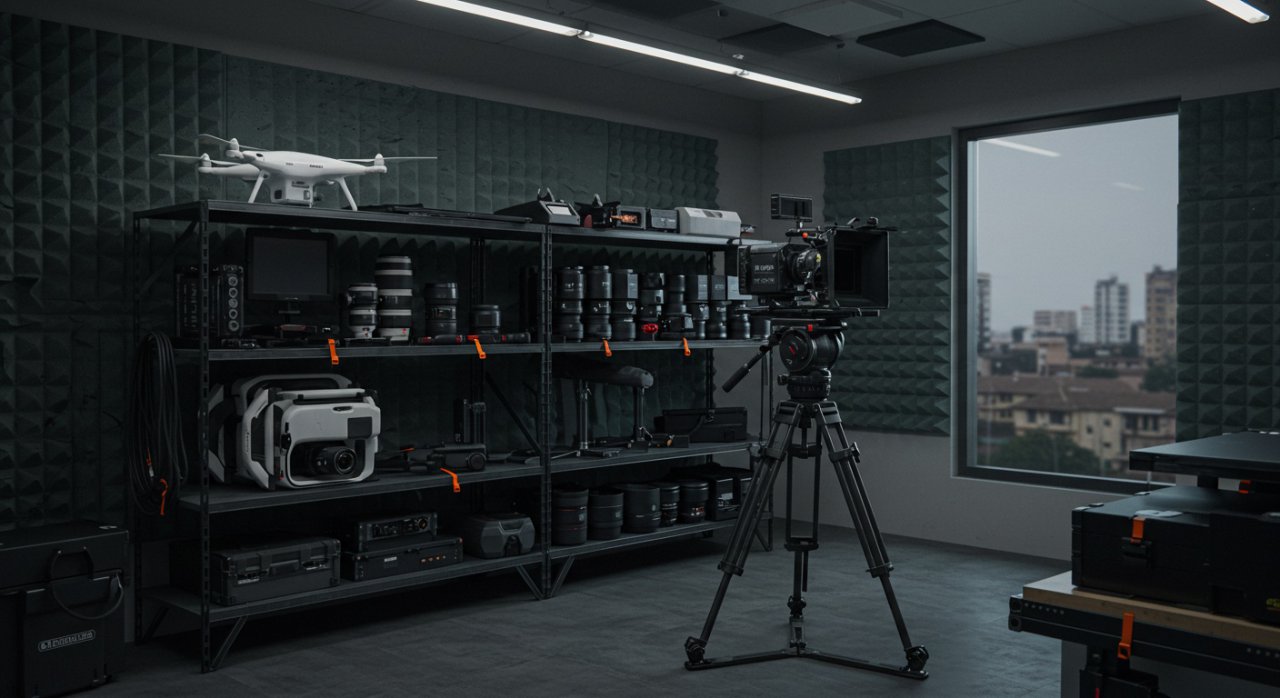
Professional videography demands professional equipment. This is a non-negotiable among event videography best practices. Using high-quality cameras, lenses, and audio gear is fundamental. It ensures superior image and sound capture. High-resolution cameras, often capable of 4K or even 6K, provide crisp, detailed footage. A variety of lenses allows for versatility, from wide-angle shots to tight close-ups. Crucially, redundancy in equipment is paramount. Having backup cameras, extra batteries, multiple memory cards, and spare microphones is not optional. Equipment failures can happen unexpectedly. Without backups, critical moments can be lost forever. In the dynamic environment of a Nairobi event, reliability is key. Our commitment to using top-tier, well-maintained equipment is unwavering. We always bring redundant systems to every shoot. This minimizes risks and ensures continuous coverage. Investing in professional gear translates directly into a higher quality final product. It provides peace of mind for both the client and the videography team. This practice guarantees reliability and excellence. It ensures that technical issues do not compromise the integrity of your event's visual record. Quality equipment forms the backbone of exceptional videography.
Mastering Audio Capture and Sound Design
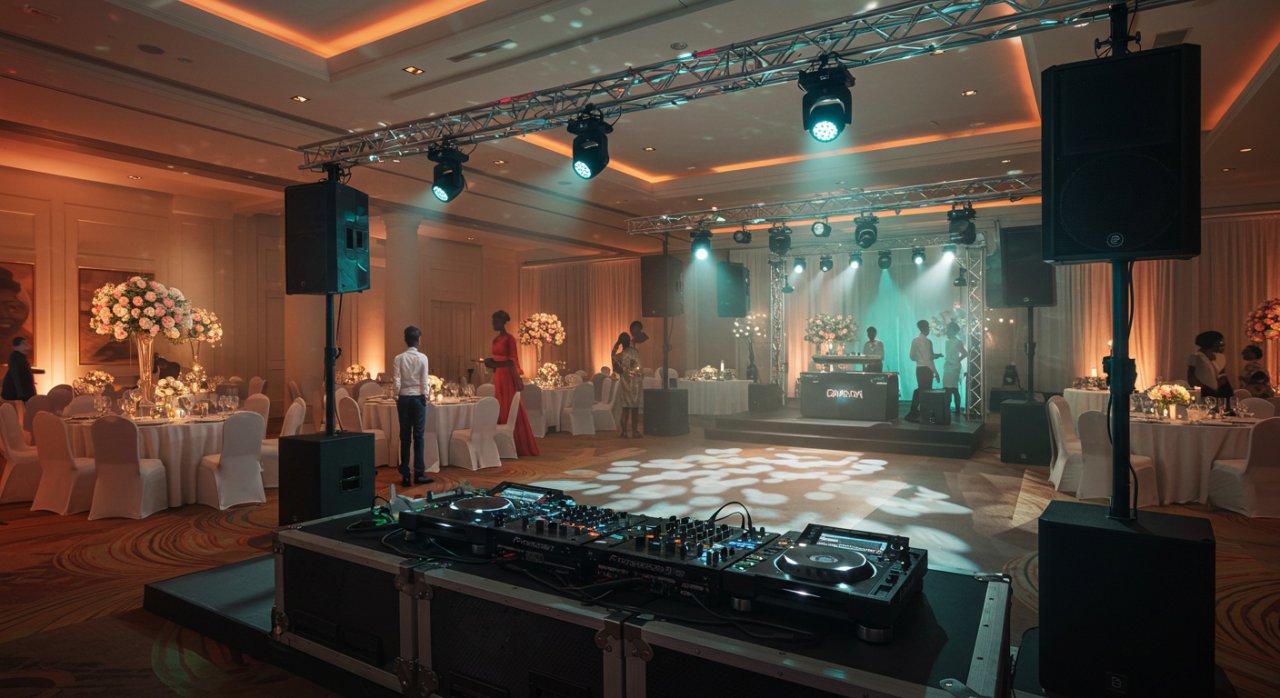
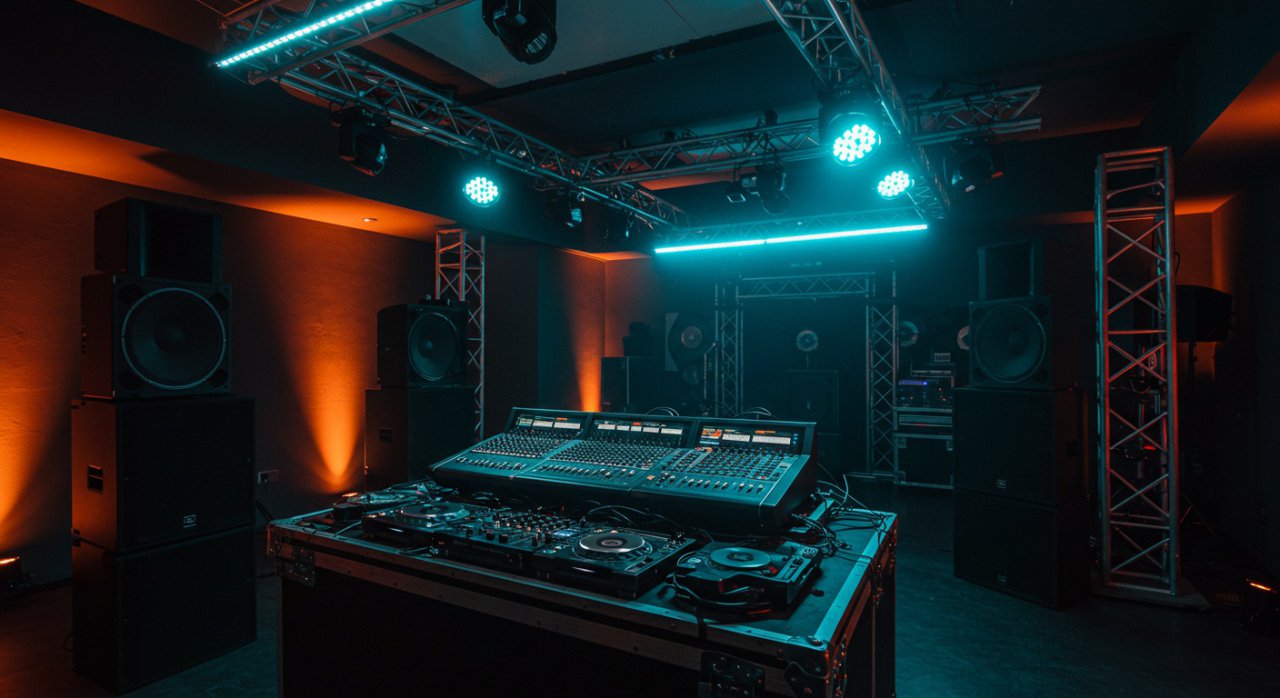
While visuals are often the primary focus, professional audio is equally, if not more, important. Excellent sound capture is one of the most vital event videography best practices. Poor audio can significantly detract from even the most stunning visuals. Videographers must employ dedicated audio recording techniques. This includes using external microphones, such as lavaliers for speakers and boom mics for general coverage. Capturing clean audio directly from the event's soundboard is often the best approach for performances or presentations. This provides a high-quality, isolated track. Ambient sound, like crowd reactions or music, can then be layered in during post-production. This creates an immersive and authentic atmosphere. Careful attention to sound levels, reducing background noise, and using wind protection outdoors are all critical. In Nairobi, events can be noisy, requiring skilled audio technicians. Our audio experts ensure every word, every note, and every cheer is captured with pristine clarity. In post-production, sound design involves mixing, mastering, and adding appropriate music or sound effects. This enhances the emotional impact and overall professionalism of the video. Prioritizing audio ensures a complete and engaging sensory experience for the viewer. It brings the event to life in a profound way.
Strategic Camera Placement and Coverage Angles
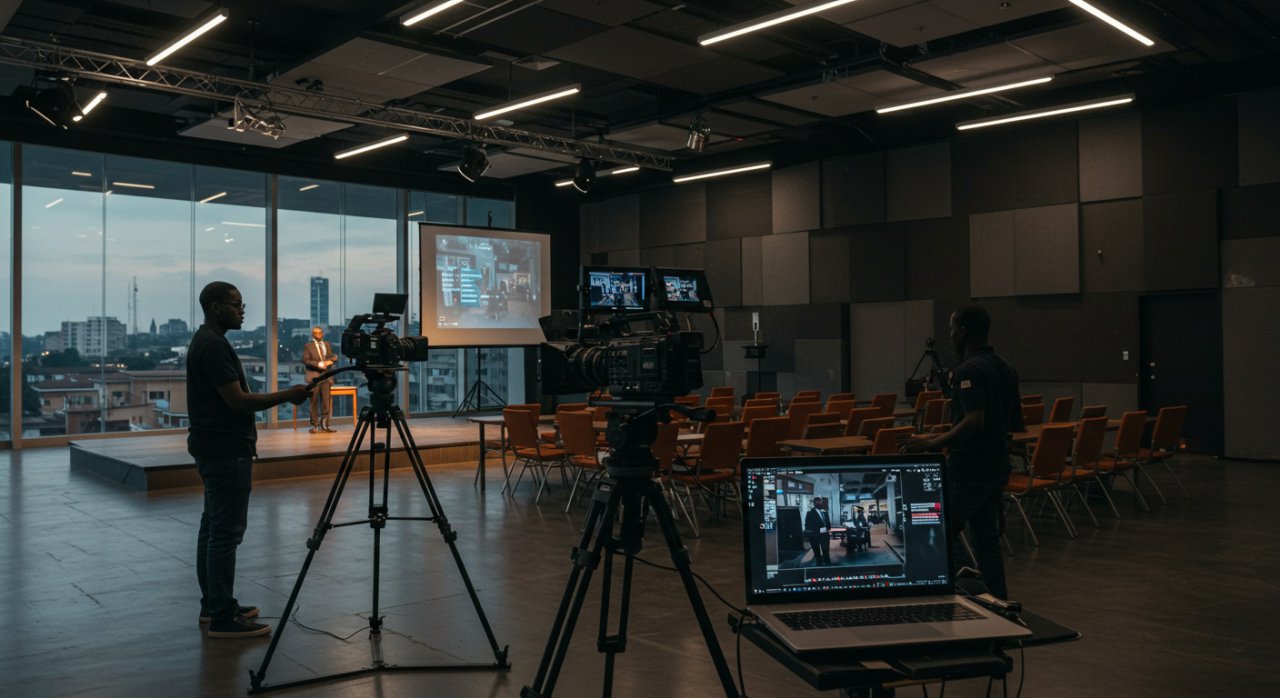
Strategic camera placement and diverse coverage angles are essential for comprehensive event videography. This is a fundamental aspect of event videography best practices. Relying on a single camera or static shots will result in a flat, unengaging video. Multiple cameras positioned at different vantage points provide a rich tapestry of footage. This includes wide shots to establish the scene. Mid-shots focus on key individuals or groups. Close-ups capture intimate details and emotions. Dynamic angles, such as low-angle shots for grandeur or high-angle for perspective, add visual interest. Considering the flow of the event, potential obstructions, and audience sightlines is crucial. For large events in Nairobi, a multi-camera setup allows for continuous coverage. It ensures no critical moment is missed from any perspective. It also provides flexibility during editing. Our team meticulously plans camera positions based on the event layout and schedule. We ensure optimal coverage of stages, speakers, and audience interactions. This strategic approach creates a more dynamic and engaging final video. It allows for seamless transitions and varied perspectives. This keeps viewers captivated. Thoughtful camera placement is key to delivering a truly immersive viewing experience. It provides a comprehensive visual record.
Efficient Post-Production Workflow and Storytelling
The magic of event videography is often fully realized in the post-production phase. An efficient workflow and a focus on storytelling are crucial event videography best practices. This involves organizing footage, creating a rough cut, refining edits, and adding visual and audio enhancements. Storytelling is paramount. The editor must weave together the captured moments into a coherent and compelling narrative. This might involve highlighting key speeches, emotional reactions, or defining performances. Color grading ensures a consistent and aesthetically pleasing visual tone. Sound mixing balances audio levels and adds background music or sound effects. Graphics, titles, and lower thirds provide important information and enhance professionalism. Timely delivery of the final product is also important. This allows clients to use the video for immediate promotional purposes. In Nairobi, our post-production team uses industry-standard software and techniques. They work diligently to transform raw footage into a polished masterpiece. They focus on delivering a video that not only documents the event but also tells its unique story effectively. This includes selecting the perfect music. It also involves crafting compelling transitions. A well-executed post-production phase elevates the entire video. It creates a lasting impression on the audience. It is where the true art of videography comes to life.
Legal Compliance, Permissions, and Data Management
Beyond technical skills, adhering to legal and ethical guidelines is a fundamental part of event videography best practices. This includes obtaining all necessary permissions and releases. For public events, general filming may be permitted. However, for private events or when featuring specific individuals prominently, consent forms are crucial. This protects both the videographer and the client from potential legal issues. Understanding copyright laws, especially regarding music usage, is also vital. Using unlicensed music can lead to severe penalties. Data management is another critical aspect. This involves securely storing raw footage and final videos. It also means creating backups to prevent data loss. Establishing a clear data retention policy is also important. In Nairobi, navigating local regulations and cultural norms is essential. Our team ensures full legal compliance throughout the entire production process. We advise clients on necessary permits and consent forms. We also manage data securely and efficiently. This proactive approach safeguards client interests. It maintains our professional integrity. It ensures that the final video is not only high-quality but also legally sound. This comprehensive approach provides peace of mind. It allows everyone to focus on the creative aspects of the project. Legal and ethical considerations are non-negotiable for professional videography.