Identifying and Mitigating Dangers for Successful Events
The foundation of any successful and secure event in Nairobi lies in a meticulous risk assessment for event production. This critical process involves systematically identifying potential hazards, analyzing their likelihood and potential impact, and developing strategies to mitigate them. Without a thorough assessment, events can face unforeseen challenges that compromise safety, budget, and overall success. Sound Hire Nairobi understands the unique environment of Kenya's capital and provides expert services to conduct comprehensive risk assessments. We help you anticipate and manage potential issues, ensuring your event proceeds smoothly and safely from inception to completion.
What is Risk Assessment in Event Production?
Risk assessment for event production is a systematic process of evaluating potential dangers that could affect an event. It involves identifying hazards, which are anything that could cause harm, such as faulty equipment, unsafe crowd density, or adverse weather. Next, the likelihood of each hazard occurring is estimated, along with the potential severity of its consequences. This analysis helps prioritize risks. Finally, control measures are developed and implemented to eliminate or reduce these risks to an acceptable level. This proactive approach is essential for responsible event management in Nairobi, ensuring the safety of attendees, staff, and property.

Key Steps in Conducting a Risk Assessment
Conducting a thorough risk assessment for event production involves several key steps. First, identify all potential hazards relevant to your specific event and venue in Nairobi. This includes considering technical aspects like sound and lighting, structural elements like stages, and operational factors like crowd flow and catering. Second, determine who might be harmed and how. This involves considering attendees, staff, performers, and the general public. Third, evaluate the risks and decide on precautions. This means assessing the likelihood and severity of harm and implementing appropriate control measures, such as safety equipment, trained personnel, or procedural changes. Fourth, record your findings and implement them. Documenting the assessment and the chosen controls is crucial for accountability and future reference. Finally, review and update the assessment regularly, especially if circumstances change.
Common Risks in Nairobi Event Production

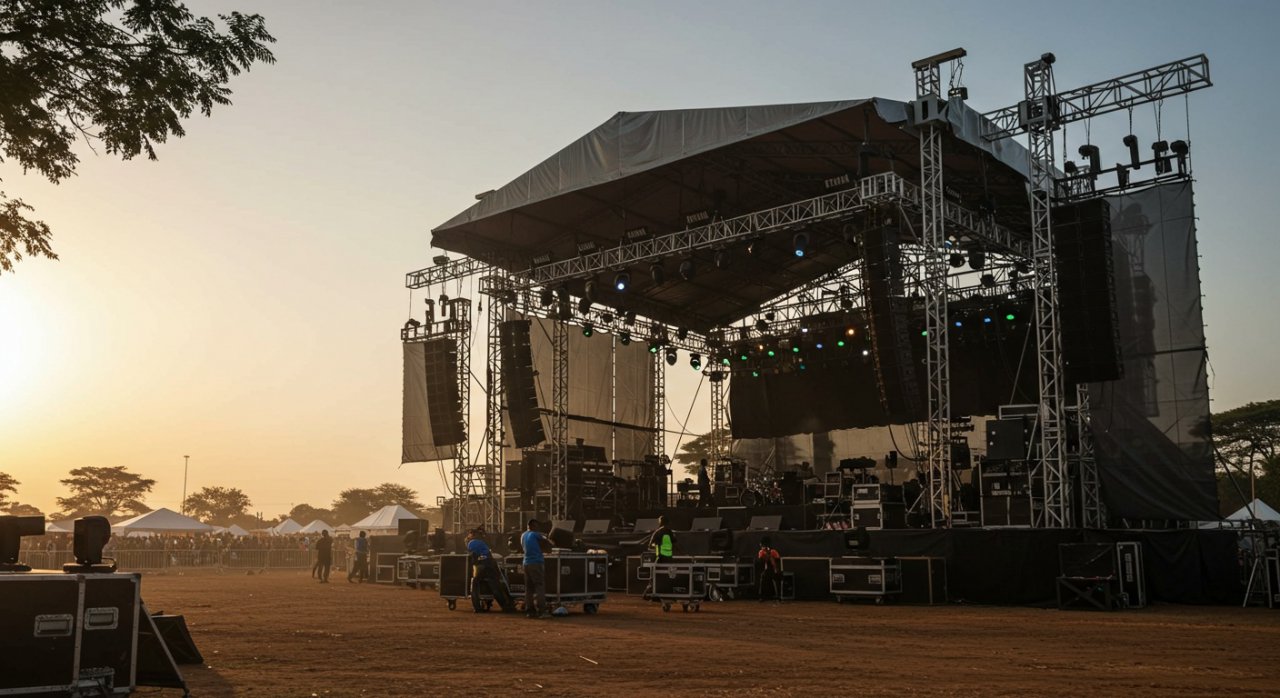
Event production in Nairobi can present a variety of common risks. Technical risks include equipment failure, electrical faults, and inadequate sound or lighting setups. Structural risks involve stage collapses, unstable temporary structures, or poor venue maintenance. Safety risks encompass crowd surges, trip hazards, fire hazards, and inadequate access for emergency services. Environmental risks include extreme weather conditions, which can impact outdoor events. Furthermore, logistical risks such as transportation issues, power outages, and security breaches must be considered. A comprehensive risk assessment for event production must address all these potential areas to ensure a secure event.
The Importance of Technical Risk Assessment
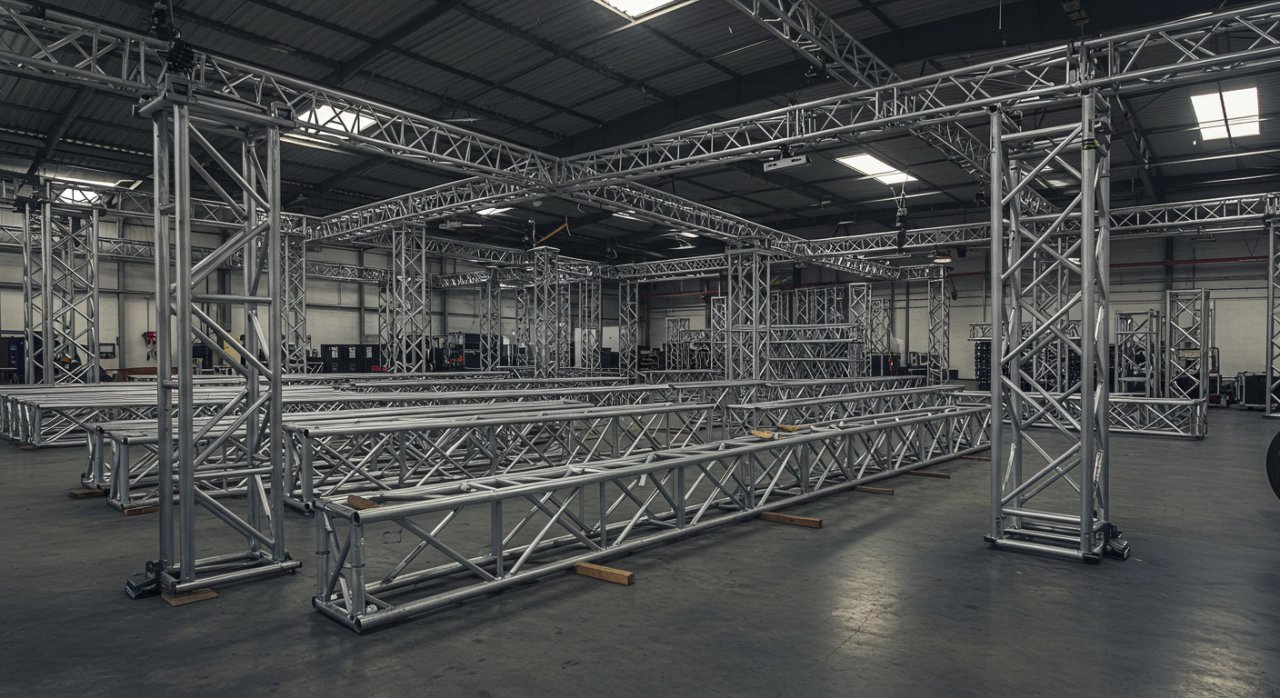
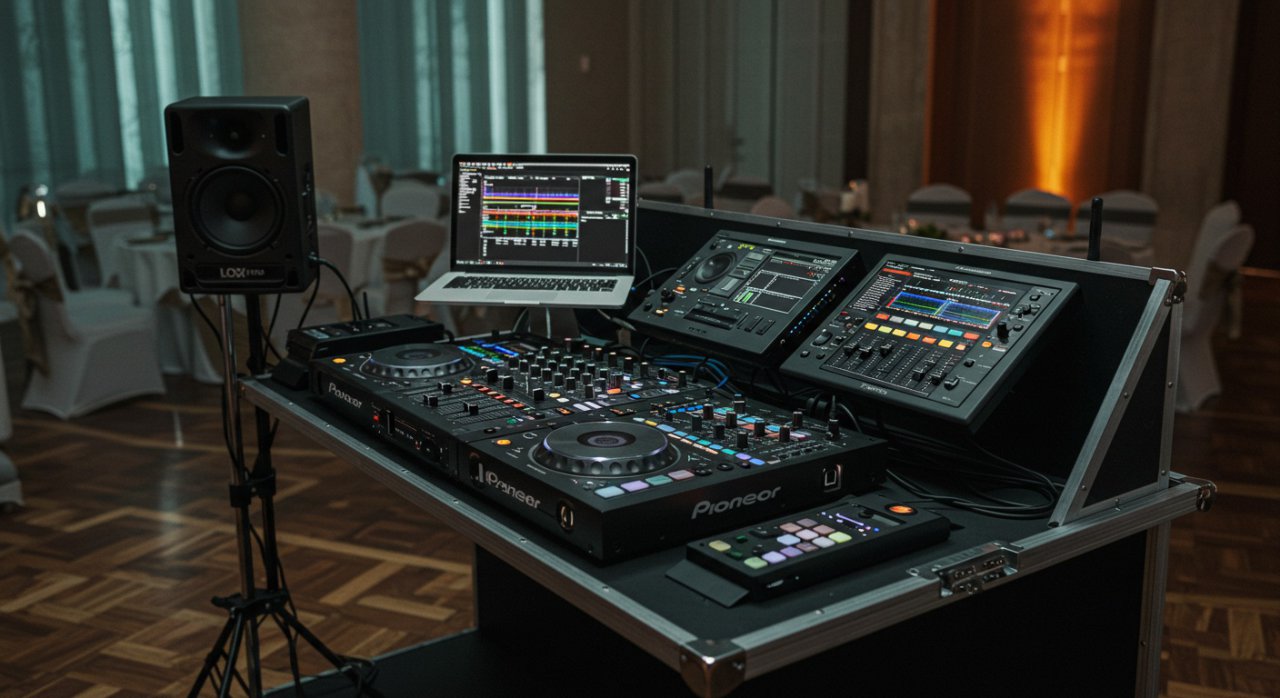
Technical elements are often the most complex part of event production, making technical risk assessment for event production particularly crucial. This involves evaluating the safety and reliability of all audio-visual equipment, staging, lighting, and power distribution systems. Risks can include electrical shorts, equipment malfunctions during performances, inadequate rigging leading to falling objects, or insufficient power capacity causing blackouts. Sound Hire Nairobi specializes in assessing these technical risks. We ensure that all equipment is installed correctly, operated by qualified personnel, and meets stringent safety standards. Thorough technical assessment prevents disruptions and protects attendees from potential harm.
Sound Hire Nairobi's Risk Management Expertise
Sound Hire Nairobi offers specialized expertise in risk assessment for event production. Our experienced team meticulously analyzes every aspect of your event, from initial concept to final execution. We identify potential hazards across technical, logistical, safety, and operational domains. We then develop practical and effective mitigation strategies tailored to your specific needs and the Nairobi context. Our goal is to provide you with a clear understanding of potential risks and a robust plan to manage them. We ensure compliance with all local regulations and best practices, giving you the confidence that your event is in safe hands. Partner with us for peace of mind.
Benefits of a Proactive Risk Assessment Approach
Adopting a proactive risk assessment for event production approach yields significant benefits. It enhances attendee safety, minimizing the likelihood of accidents and injuries. It helps control costs by preventing expensive disruptions, damage, or legal claims. A well-assessed event runs more smoothly, improving attendee satisfaction and the overall experience. It also protects the reputation of the organizers and stakeholders. By addressing risks upfront, you demonstrate professionalism and responsibility. This thorough preparation is key to delivering a successful and memorable event in Nairobi, ensuring all potential pitfalls are navigated effectively.