
Embracing Eco-Conscious Event Management
In today's world, environmental responsibility is not just a trend but a necessity. Sound Hire Nairobi, a leading event equipment rental and technical production agency in Nairobi, Kenya, offers specialized consulting for sustainable event practices. We help organizations transition to eco-friendly event management, reducing their environmental footprint while enhancing brand reputation. Our expert guidance ensures your events in Nairobi are not only successful but also contribute positively to the planet. Let us guide you through implementing practical, effective sustainable strategies for your next occasion.
The Growing Importance of Sustainability in Events
The events industry has a significant environmental impact. Implementing sustainable event practices is crucial for mitigating this. Attendees and stakeholders increasingly value organizations that demonstrate environmental consciousness. Adopting sustainable methods not only reduces waste and energy consumption but also enhances the event's appeal and aligns with corporate social responsibility goals. In Nairobi, embracing sustainability shows leadership and a commitment to a healthier future for Kenya. Sound Hire Nairobi provides the expertise to make your event a model of environmental stewardship.

Key Pillars of Sustainable Event Management
Our consulting focuses on several key pillars for sustainable event practices. These include waste reduction and management, energy efficiency, water conservation, and responsible sourcing. We guide clients on minimizing single-use plastics, implementing effective recycling programs, and choosing energy-efficient lighting and equipment. Promoting public transport or carpooling options for attendees also plays a vital role. We help identify local suppliers who share sustainability values, strengthening the local economy and reducing transportation emissions. Our holistic approach covers every aspect of event planning.
Waste Reduction and Management Strategies
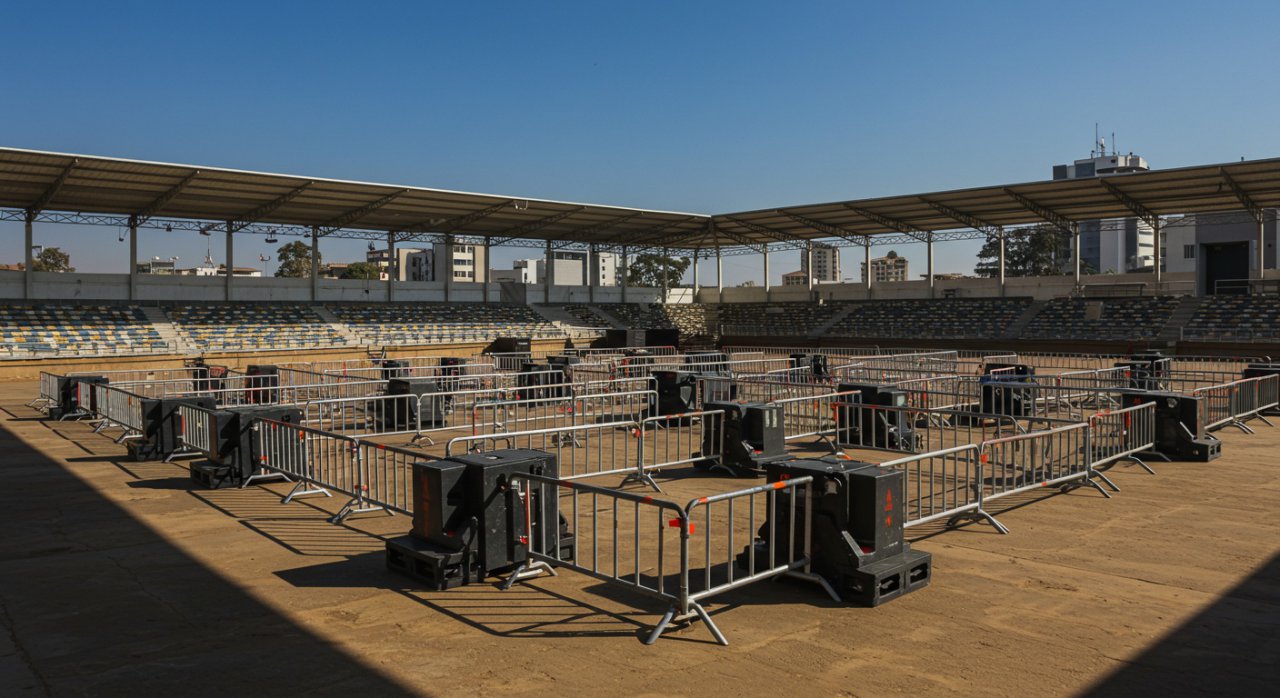
A primary focus of our sustainability consulting is effective waste management. We help clients develop comprehensive strategies to minimize waste generation from the outset. This involves encouraging digital invitations and materials instead of paper. During the event, we advise on setting up clearly marked recycling and composting stations. Partnering with waste management services that prioritize diversion from landfills is key. We also explore options for donating leftover food and materials, ensuring that as little as possible ends up as waste. Our aim is to promote a circular economy approach within event planning.
Energy Efficiency and Renewable Resources
Reducing energy consumption is a critical component of sustainable event practices. Sound Hire Nairobi advises on utilizing energy-efficient audiovisual equipment and LED lighting solutions. We also explore opportunities for using renewable energy sources where feasible, such as solar power for outdoor events or charging stations. Optimizing venue layouts to maximize natural light and planning event schedules to minimize the need for artificial lighting are also considered. Our technical expertise ensures that energy-saving measures do not compromise the quality or impact of your event.
Responsible Sourcing and Local Procurement
Making conscious choices about sourcing is vital for sustainable events. We guide clients in prioritizing local suppliers for catering, decor, and other services. This not only supports the Nairobi economy but also reduces the carbon footprint associated with transportation. We encourage the use of sustainable, ethically sourced materials and products. This includes opting for caterers who use seasonal, local produce and minimize food miles. Our consulting helps identify vendors who are committed to environmental and social responsibility, ensuring a cohesive sustainable approach.
Measuring Impact and Continuous Improvement
To truly embed sustainable event practices, measuring impact is essential. We assist clients in setting measurable goals and tracking key performance indicators related to waste diversion, energy consumption, and carbon emissions. This data provides valuable insights into the event's environmental performance and identifies areas for future improvement. Sound Hire Nairobi is committed to helping clients achieve their sustainability targets and continuously enhance their eco-friendly event strategies. Partner with us to make your Nairobi events a benchmark for responsible event management.