
The Art of Connection: Effective Event Communication
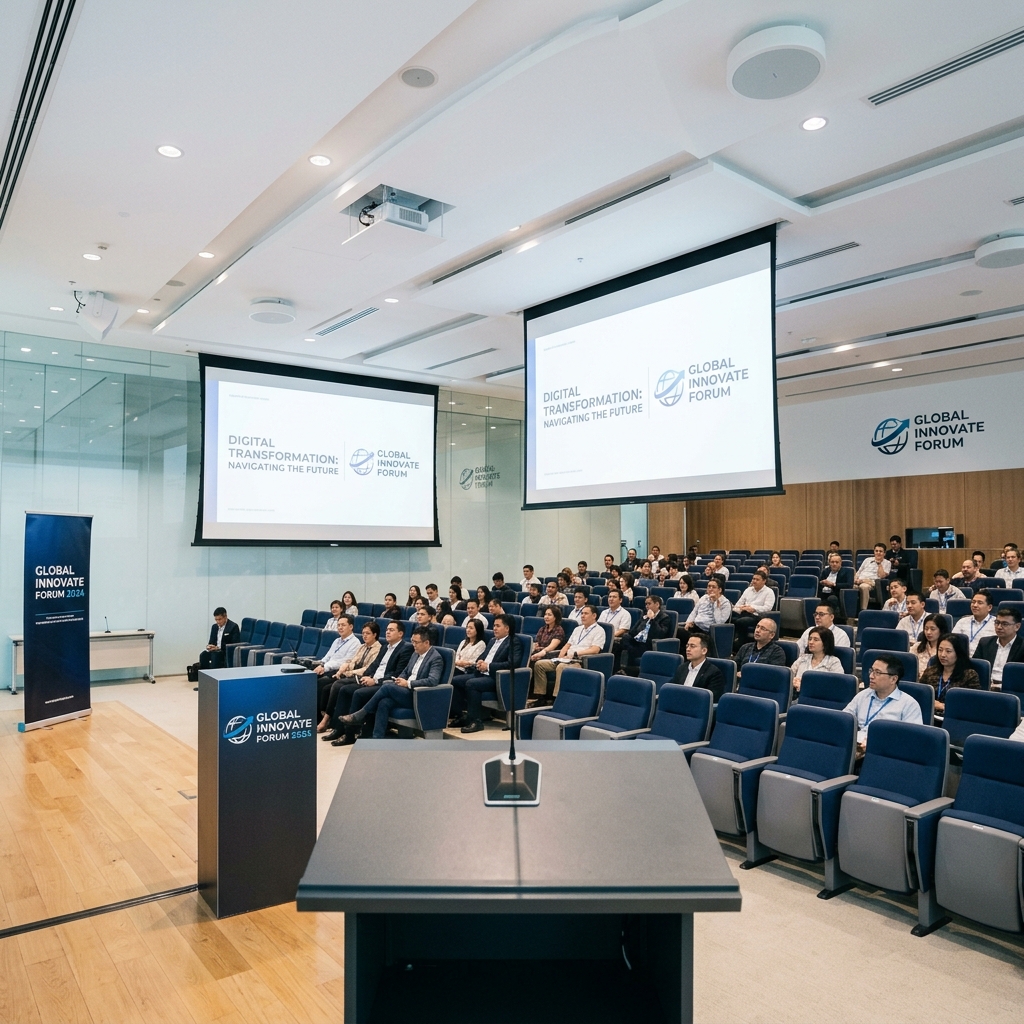
In the vibrant event landscape of Nairobi, successful social events hinge not just on brilliant concepts and meticulous planning, but also on exceptional communication. Effective social event stakeholder communication is the backbone of any well-executed gathering, ensuring everyone involved, from vendors to guests, is informed, engaged, and aligned. Without clear and consistent communication, even the best-laid plans can encounter misunderstandings and inefficiencies. Our expertise lies in crafting tailored communication strategies that resonate with diverse audiences, fostering a sense of community and anticipation for your event. We understand that seamless social event stakeholder communication is crucial for building trust, managing expectations, and ultimately delivering an unforgettable experience. Let us help you master the art of connection, making your next social event in Nairobi a resounding success through strategic and impactful communication.
Identifying Your Event Stakeholders
The first step in mastering social event stakeholder communication is to accurately identify all individuals and groups who have an interest in or are impacted by your event. This includes a wide range of parties: the event host or organizer, sponsors, vendors (caterers, decorators, technical teams), venue staff, volunteers, media, and, most importantly, your guests. Each of these stakeholder groups has unique information needs and preferences for receiving updates. For example, sponsors might require detailed reports on ROI, while guests need clear instructions on logistics and schedule. Understanding these distinct requirements is fundamental to developing targeted communication plans. Our team in Nairobi meticulously maps out your stakeholder landscape, ensuring no one is overlooked. This foundational analysis is crucial for effective social event stakeholder communication, allowing us to tailor messages that are relevant, timely, and impactful for every party involved in your social event, fostering collaboration and ensuring everyone is on the same page.
Crafting Tailored Communication Strategies
Once stakeholders are identified, the next critical phase in social event stakeholder communication involves crafting tailored strategies for each group. A one-size-fits-all approach simply won't work. Sponsors, for instance, may require formal progress reports and brand visibility updates, while guests will appreciate engaging invitations, regular schedule updates, and clear directions. Vendors need precise logistical information, setup times, and contact details. Our approach involves segmenting your audience and developing specific messages, tones, and frequencies for each. We consider the best channels for delivery – email for formal updates, social media for engaging guests, dedicated portals for vendor documents, or direct calls for critical coordination. This personalized communication ensures that information is not only received but also understood and acted upon, reducing confusion and enhancing overall efficiency. Strategic social event stakeholder communication in Nairobi means delivering the right message, to the right person, at the right time, fostering clarity and enthusiasm for your event.
Channels and Tools for Effective Outreach
In today's digital age, a myriad of channels and tools are available to facilitate effective social event stakeholder communication. Choosing the right platforms is crucial for maximizing reach and engagement. For guests, engaging social media campaigns, personalized email newsletters, and a user-friendly event website or app can provide all necessary information and build excitement. For vendors and internal teams, dedicated communication platforms like project management software, private messaging groups, or shared online documents ensure seamless coordination and real-time updates. Live streaming or virtual meeting tools can also be utilized for important briefings or announcements. Our experts in Nairobi help you select and integrate the most appropriate communication channels, ensuring a cohesive and efficient flow of information. We leverage technology to automate routine communications while maintaining a personal touch for critical interactions. This multi-channel approach guarantees that your social event stakeholder communication is not only comprehensive but also accessible and impactful, reaching everyone effectively.
Building Trust and Fostering Collaboration
Beyond simply disseminating information, effective social event stakeholder communication is about building trust and fostering a collaborative environment. Transparency, honesty, and responsiveness are key pillars in establishing strong relationships with all parties involved in your event. When stakeholders feel informed and heard, they are more likely to be engaged, supportive, and proactive in their roles. This involves being open about challenges, providing timely responses to inquiries, and actively soliciting feedback. For example, regular check-ins with vendors can prevent issues from escalating, while a clear feedback mechanism for guests can demonstrate that their experience is valued. Our approach to social event stakeholder communication emphasizes creating an atmosphere of mutual respect and understanding. By fostering open dialogue and ensuring that all voices are considered, we cultivate a stronger sense of shared ownership and commitment. This collaborative spirit is vital for overcoming obstacles and achieving collective success for your social event in Nairobi, making it a truly harmonious experience for everyone.
Managing Expectations and Feedback Loops
A critical aspect of robust social event stakeholder communication is effectively managing expectations and establishing clear feedback loops. Setting realistic expectations from the outset helps prevent disappointment and ensures that all stakeholders have a clear understanding of what to anticipate. This includes being transparent about event schedules, potential limitations, and any key guidelines. Equally important is creating accessible channels for feedback, allowing guests, vendors, and team members to share their thoughts and experiences throughout the event lifecycle. This could involve pre-event surveys, on-site feedback stations, or post-event questionnaires. Actively listening to this feedback and demonstrating that it is being considered not only helps in making real-time adjustments but also shows that their input is valued. Our team in Nairobi integrates these feedback mechanisms into every stage of your social event stakeholder communication plan, enabling continuous improvement and ensuring that your event evolves to meet the needs and desires of all involved, creating a truly responsive and satisfying experience.
Crisis Communication in Social Events
Even with the most meticulous planning, unforeseen circumstances can arise during a social event. This is where a well-prepared crisis communication plan becomes an essential part of social event stakeholder communication. Having a clear strategy for communicating during emergencies – be it a technical malfunction, a medical incident, or a weather-related disruption – is paramount for maintaining calm and control. This involves identifying key spokespersons, establishing rapid communication channels, and drafting pre-approved messages for various scenarios. The goal is to provide timely, accurate, and reassuring information to all affected stakeholders, minimizing panic and ensuring safety. Our experts in Nairobi integrate crisis communication protocols into your overall social event stakeholder communication strategy, training staff and outlining clear procedures. By being prepared for the unexpected, you can protect your guests, your reputation, and the overall success of your event, demonstrating professionalism and care even in challenging situations. This proactive approach ensures that even under pressure, your communication remains clear and effective.