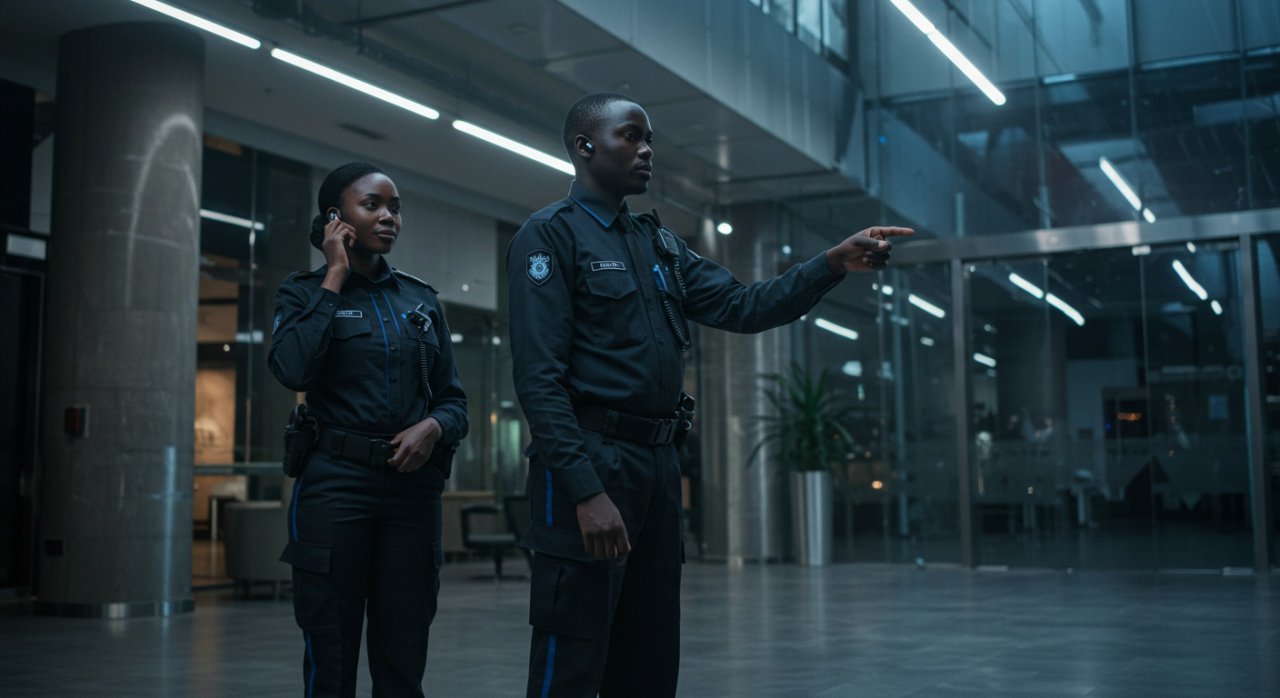

The Imperative of Private Event Emergency Planning in Nairobi
Hosting a private event in Nairobi is an exciting venture. However, ensuring the safety and security of all attendees is paramount. This necessitates robust private event emergency planning. Unforeseen incidents can occur despite meticulous preparation. These can range from medical emergencies to adverse weather conditions. A well-developed emergency plan provides a clear course of action. It minimizes risks and ensures a swift, effective response. Our expertise in private event emergency planning gives you peace of mind. We meticulously assess potential threats. We then develop tailored strategies to mitigate them. Prioritizing safety is not just good practice; it's essential for a successful event.
Understanding Risks in Private Event Management
Understanding potential risks is the first step in effective emergency planning. Private events in Nairobi face various threats. These include medical emergencies, fire hazards, and security breaches. Natural disasters like heavy rains or strong winds can also pose a risk. Technical failures, such as power outages, can disrupt an event. Crowd management issues can lead to unsafe conditions. Our private event emergency planning team conducts thorough risk assessments. We identify specific vulnerabilities unique to your event and venue. We consider the guest count, venue layout, and event activities. This detailed analysis allows us to anticipate potential problems. It helps us develop targeted preventative measures. Proactive risk identification is crucial for a secure and smooth event. We leave no stone unturned in safeguarding your gathering.

Key Components of a Robust Emergency Plan
A robust private event emergency planning framework includes several key components. First, clear communication protocols are established. This ensures all staff and relevant authorities are informed promptly. Second, designated emergency exits and assembly points are identified. These must be clearly marked and easily accessible. Third, a comprehensive medical response plan is developed. This includes first aid stations and access to emergency medical services. Fourth, security measures are outlined. These cover crowd control, access points, and potential threats. Fifth, contingency plans for technical failures are put in place. This includes backup power and equipment. Finally, severe weather protocols are detailed. Our plans are tailored to your specific event. They ensure a coordinated and effective response to any incident. We prioritize the safety and well-being of every attendee.
Training and Communication for Event Staff

Effective private event emergency planning relies heavily on well-trained staff. All event personnel must understand their roles during an emergency. We provide comprehensive training sessions for your team. This covers evacuation procedures, first aid basics, and communication protocols. Staff are educated on how to identify and report potential hazards. They learn to guide guests safely during a crisis. Clear lines of communication are established. This ensures information flows quickly and accurately. Designated individuals are responsible for liaising with emergency services. Regular drills and simulations reinforce these procedures. This prepares staff to react calmly and efficiently under pressure. A well-informed and trained team is your first line of defense. Their readiness is crucial for minimizing the impact of any incident.
Liaising with Emergency Services and Authorities
Successful private event emergency planning involves close collaboration with external agencies. This includes local police, fire departments, and ambulance services. We establish communication channels with these authorities in advance. We inform them about your event details and potential risks. This ensures they are prepared to respond swiftly if needed. We also coordinate with local government bodies. This ensures compliance with all safety regulations. Our team understands the specific requirements of each service. We facilitate seamless information exchange. This proactive liaison ensures a coordinated response during an emergency. It significantly enhances the safety and security of your event. Building strong relationships with these vital services is a cornerstone of our planning.
Implementing On-Site Safety Measures and Equipment
Implementing appropriate on-site safety measures is a tangible part of emergency planning. This includes having readily available first aid kits and trained personnel. Fire extinguishers must be strategically placed and easily accessible. Clear signage for exits and emergency routes is essential. Adequate lighting, especially for evening events, prevents accidents. Security personnel are deployed to manage crowd flow and monitor for threats. Communication devices, like two-way radios, ensure constant contact among staff. We also consider specific equipment for technical emergencies, like backup generators. Our team oversees the deployment of all necessary safety equipment. We ensure it is fully functional and properly maintained. These visible and practical measures reinforce the commitment to safety. They provide a secure environment for all your guests.
Peace of Mind Through Expert Emergency Preparedness
Choosing us for your private event emergency planning in Nairobi brings unparalleled peace of mind. We are dedicated to creating a safe environment for your celebration. Our expertise in risk assessment and mitigation is extensive. We develop bespoke emergency plans that address every potential scenario. Our meticulous approach ensures no detail is overlooked. From fire safety to medical response, we cover all bases. You can host your event with confidence. Knowing that comprehensive safety measures are in place allows you to relax. Our team works discreetly to ensure security without intruding on the guest experience. Focus on creating cherished memories. Let us handle the critical task of emergency preparedness. We are committed to the safety and success of your private event.