The Imperative of Measuring Exhibition Success
Exhibitions represent significant investments for businesses, offering unique opportunities for brand visibility, lead generation, and networking. However, merely participating isn't enough; demonstrating tangible returns on this investment is crucial. This is where effective exhibition ROI tracking logistics become indispensable. By systematically measuring the impact of your exhibition presence, you can justify expenditure, optimize future strategies, and gain a competitive edge. For businesses in Nairobi, understanding the true value derived from these events is key to strategic growth. Sound Hire Nairobi provides the technical backbone for successful exhibitions, and we recognize the importance of robust measurement. Mastering exhibition ROI tracking logistics transforms your participation from a cost center into a proven revenue driver, ensuring every shilling spent yields quantifiable results.
Defining Clear Exhibition Objectives and KPIs
Before any exhibition, clearly define what success looks like. Establish specific, measurable, achievable, relevant, and time-bound (SMART) objectives. Are you aiming for a certain number of leads, increased brand awareness, direct sales, or new partnerships? Once objectives are set, identify the Key Performance Indicators (KPIs) that will measure progress towards these goals. These might include booth visitors, lead quality, social media mentions, media impressions, or actual sales generated. For exhibitions in Nairobi, aligning objectives with local market dynamics is essential. This foundational step of defining objectives and KPIs is paramount for effective exhibition ROI tracking logistics. It provides a benchmark against which all your efforts will be measured, ensuring focus and accountability. Start with a clear vision.
Implementing Pre-Exhibition Data Collection Strategies
Effective ROI tracking begins even before the exhibition doors open. Collect baseline data to measure the impact of your pre-event marketing efforts. Track website traffic, social media engagement, and email campaign performance leading up to the event. If you're running specific promotions or inviting key clients, monitor their responses. Consider pre-event surveys to gauge brand perception or interest in new products. This preliminary data provides context and allows for a more accurate assessment of the exhibition's direct influence. For businesses in Nairobi, understanding pre-event engagement helps refine your on-site strategy. Proactive data collection is a crucial element of comprehensive exhibition ROI tracking logistics. It establishes a 'before' picture, making the 'after' comparison more meaningful and insightful. Lay the groundwork early.
On-Site Data Capture and Lead Qualification

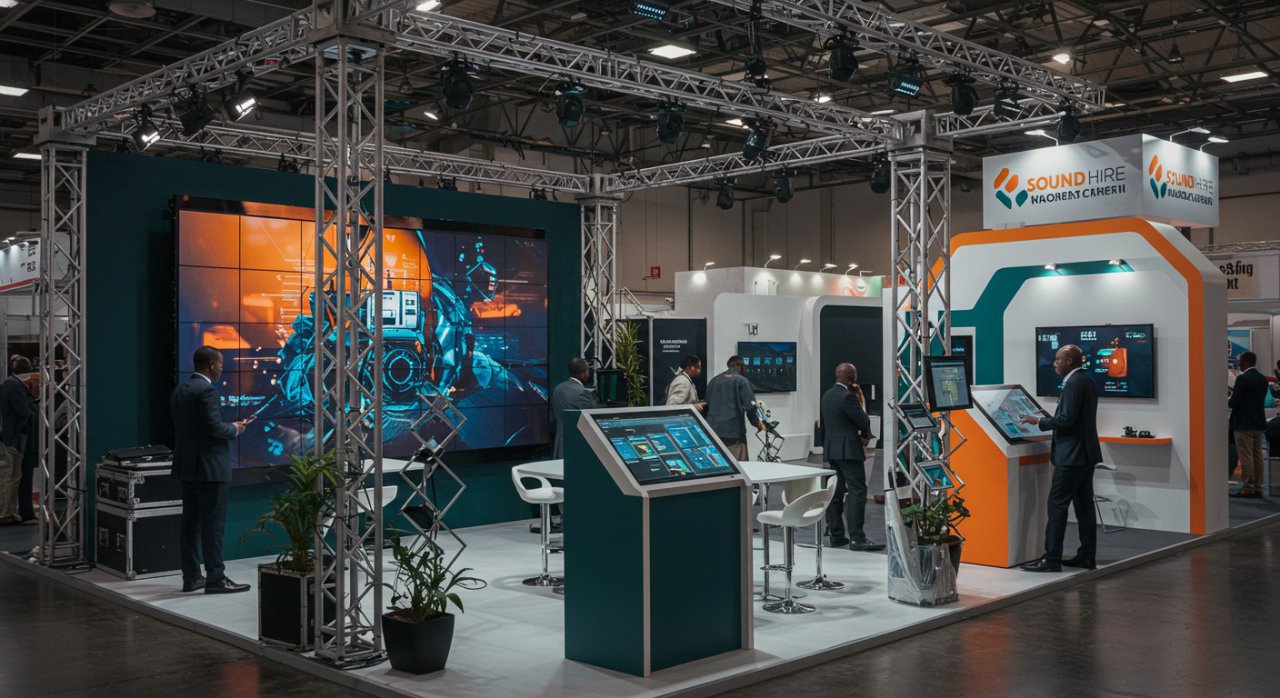
During the exhibition, efficient data capture is vital. Utilize lead capture apps or CRM systems on tablets to quickly collect visitor information, rather than relying solely on business cards. Implement a clear lead qualification process to categorize visitors based on their interest level and potential. Use surveys or brief interviews at your booth to gather immediate feedback or specific product interest. Track booth traffic using sensors or manual counts. For exhibitors in Nairobi, engaging with visitors effectively and capturing their data accurately is key. Robust on-site data capture is at the heart of successful exhibition ROI tracking logistics. It ensures that every valuable interaction is recorded, providing rich data for post-event analysis and follow-up. Don't let a lead slip away.
Post-Exhibition Lead Nurturing and Conversion Tracking
The leads generated at an exhibition require prompt and strategic follow-up. Implement a structured lead nurturing campaign, segmenting leads based on their qualification level. Track how these leads progress through your sales funnel. Monitor conversion rates from exhibition leads to qualified opportunities and ultimately to closed sales. Assign unique tracking codes to exhibition-specific campaigns to accurately attribute revenue. For businesses in Nairobi, a swift and personalized follow-up can significantly increase conversion rates. Diligent lead nurturing and conversion tracking are critical components of effective exhibition ROI tracking logistics. They provide the ultimate measure of financial return, demonstrating the direct impact of your exhibition investment. Follow up diligently and smartly.
Analyzing Data and Calculating Exhibition ROI
Once all data is collected and follow-ups are underway, it's time for comprehensive analysis. Aggregate all costs associated with the exhibition, including booth rental, staffing, marketing, travel, and any equipment rental (like from Sound Hire Nairobi). Compare these costs against the quantifiable benefits, such as direct sales, projected revenue from qualified leads, and the monetary value of brand exposure. Calculate the Return on Investment (ROI) using the formula: (Net Profit from Exhibition / Total Exhibition Costs) x 100. For businesses in Nairobi, this calculation provides a clear financial picture. Thorough data analysis and ROI calculation are the culmination of effective exhibition ROI tracking logistics. It offers undeniable proof of your exhibition's success and informs future budget allocations. Understand your financial gains.
Reporting and Optimizing Future Exhibition Strategies
Present your exhibition ROI findings in a clear, concise report to stakeholders. Highlight key successes, areas for improvement, and actionable recommendations for future events. Use data visualizations to make complex information easily digestible. Based on your ROI analysis, refine your exhibition strategy for upcoming events. This might involve adjusting booth design, targeting different audience segments, or altering your pre-event marketing. For continuous improvement in the Nairobi exhibition landscape, this iterative process is vital. Effective reporting and optimization are the final, crucial steps in robust exhibition ROI tracking logistics. They ensure that each exhibition builds upon the last, maximizing efficiency and profitability over time. Learn and adapt for continuous success.