Understanding Event Stakeholder Management Logistics
Organizing a successful event in Nairobi involves orchestrating numerous moving parts and individuals. Central to this complexity is effective event stakeholder management logistics. This critical process involves identifying, analyzing, and engaging all parties with an interest or impact on your event. From sponsors and vendors to attendees and regulatory bodies, each stakeholder group has unique needs and expectations. Sound Hire Nairobi understands the intricate dance of stakeholder coordination. We help you navigate these relationships with precision and clarity. Our expertise ensures that every voice is heard and every expectation is managed effectively. This proactive approach minimizes conflicts and maximizes collaboration. Ultimately, it leads to a more cohesive and successful event experience for everyone involved.
Identifying and Categorizing Your Event Stakeholders
The first step in robust event stakeholder management logistics is accurately identifying who your stakeholders are. This includes internal teams, external partners, attendees, sponsors, suppliers, local authorities, and media. Once identified, categorizing them based on their influence and interest levels is crucial. Some stakeholders may have high influence and high interest, requiring close engagement. Others might have low interest but high influence, needing careful monitoring. Mapping these relationships helps prioritize communication efforts. For example, a key sponsor will require different engagement than a general attendee. Sound Hire Nairobi assists clients in Nairobi in this initial mapping phase. We help create a comprehensive stakeholder matrix. This ensures no critical party is overlooked. Our strategic approach lays the groundwork for effective engagement. Understanding each group's role is paramount for success.

Developing Tailored Communication Strategies
Effective communication is the cornerstone of successful event stakeholder management logistics. Each stakeholder group requires a tailored communication strategy. Sponsors need regular updates on ROI and branding opportunities. Vendors require clear instructions regarding logistics and schedules. Attendees benefit from timely information about the event program and facilities. Regulatory bodies need to be informed of compliance and safety measures. Communication should be clear, consistent, and utilize appropriate channels. This might involve dedicated meetings, newsletters, online portals, or direct personal contact. Sound Hire Nairobi provides the technical backbone to support these diverse communication needs. Our reliable audio-visual systems ensure clear presentations for meetings. We offer robust network infrastructure for digital communications. This ensures all stakeholders in Nairobi receive timely and relevant information. Consistent communication builds trust and alignment.
Managing Expectations and Addressing Concerns Proactively

Proactive expectation management is vital in event stakeholder management logistics. Clearly defining roles, responsibilities, and deliverables from the outset prevents misunderstandings. It is important to set realistic expectations regarding event outcomes and potential challenges. Regularly soliciting feedback from stakeholders allows for early identification of concerns. Addressing these concerns promptly and transparently builds confidence. Establishing clear channels for feedback and dispute resolution is essential. This creates an environment of trust and mutual respect. Sound Hire Nairobi's project management approach includes regular check-ins with all key stakeholders. We ensure technical requirements align with their expectations. Our team in Nairobi is adept at anticipating and mitigating technical issues. This proactive stance minimizes disruptions. It ensures a smoother event execution for everyone involved.
Fostering Collaboration and Building Strong Relationships
Beyond managing, the goal of event stakeholder management logistics is to foster genuine collaboration. Building strong, long-term relationships with stakeholders is highly beneficial. This involves creating opportunities for them to contribute ideas and feel heard. Recognizing their contributions publicly can further strengthen these bonds. A collaborative environment encourages shared ownership of the event's success. It transforms mere participants into active partners. Post-event appreciation and follow-up are also critical for relationship longevity. Sound Hire Nairobi values strong relationships with all our partners and clients. We believe in collaborative planning for technical production. Our team works closely with event organizers, venues, and other suppliers in Nairobi. This ensures seamless integration of all services. Strong relationships lead to more innovative and successful events.
Risk Management and Contingency Planning for Stakeholders
An integral part of event stakeholder management logistics is comprehensive risk management. Identifying potential risks that could impact different stakeholder groups is crucial. This includes financial risks, reputational risks, and operational risks. Developing contingency plans for each identified risk is essential. For example, what happens if a key speaker cancels? Or if there's a technical malfunction? Communicating these contingency plans to relevant stakeholders provides reassurance. It demonstrates preparedness and professionalism. Sound Hire Nairobi excels in technical risk assessment and mitigation. We provide redundant systems and on-site technical support for your Nairobi events. Our experienced technicians are trained to handle unforeseen challenges swiftly. This ensures minimal disruption to your event. We safeguard the interests of all stakeholders.
The Sound Hire Nairobi Advantage in Stakeholder Management
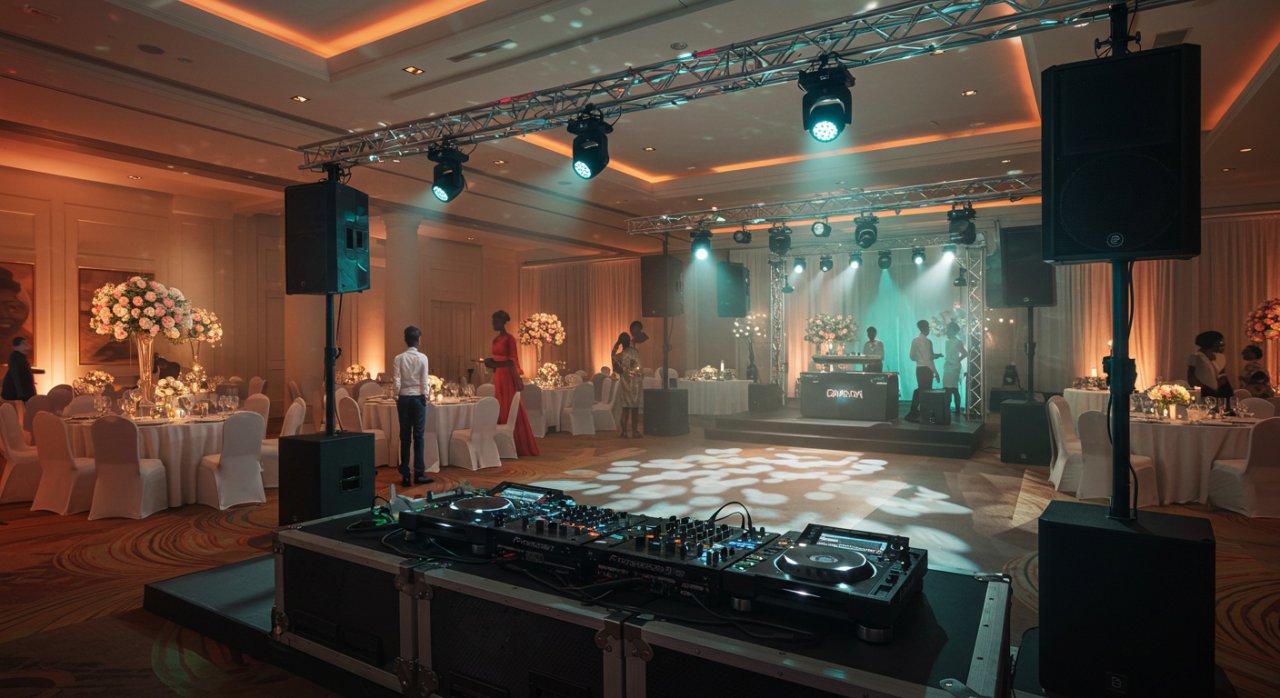
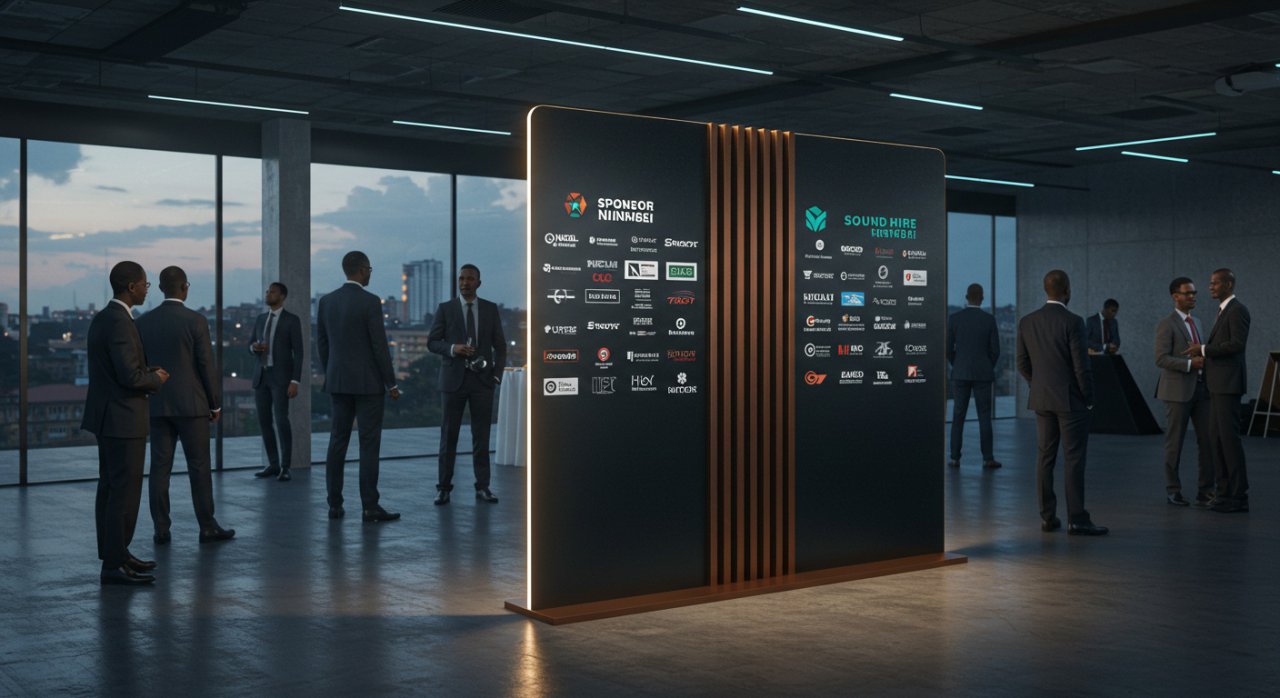
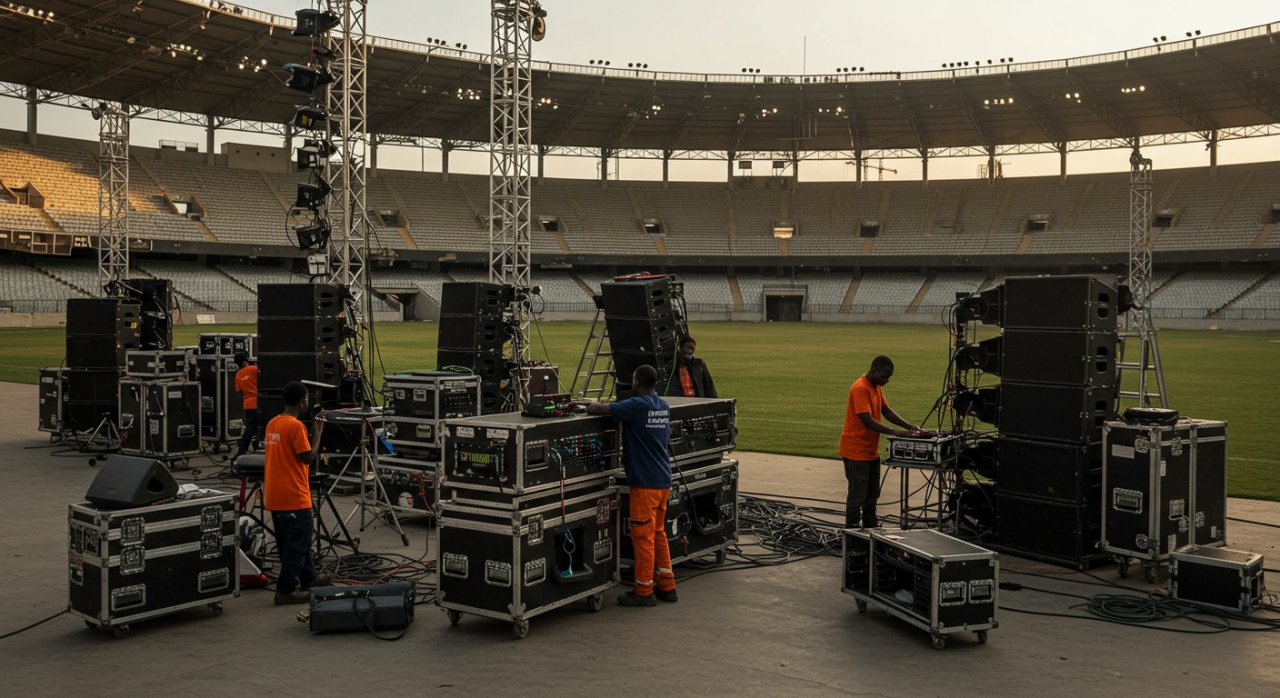
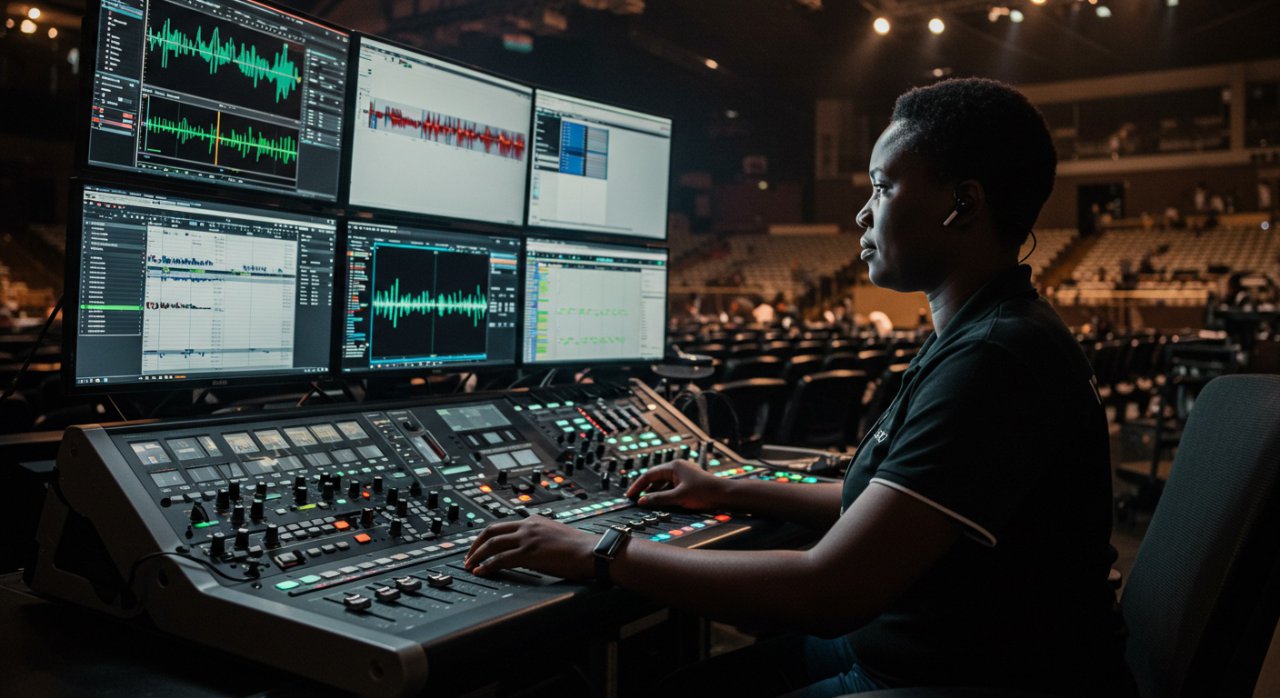
Sound Hire Nairobi offers unparalleled expertise in supporting your event stakeholder management logistics in Nairobi. Our role extends beyond just providing equipment. We act as a reliable technical partner, understanding the needs of various stakeholders. We ensure that sponsors' branding is perfectly displayed on LED screens. Our crystal-clear sound systems guarantee every speaker is heard by all attendees. We work closely with venue managers to ensure seamless integration. Our technical team collaborates with event organizers to execute their vision flawlessly. We provide detailed technical specifications and schedules to all relevant parties. This transparency fosters trust and efficiency. With Sound Hire Nairobi, you gain a partner committed to smooth operations. We help you manage the technical aspects of your stakeholder relationships. Our dedication ensures a successful and harmonious event for everyone involved.