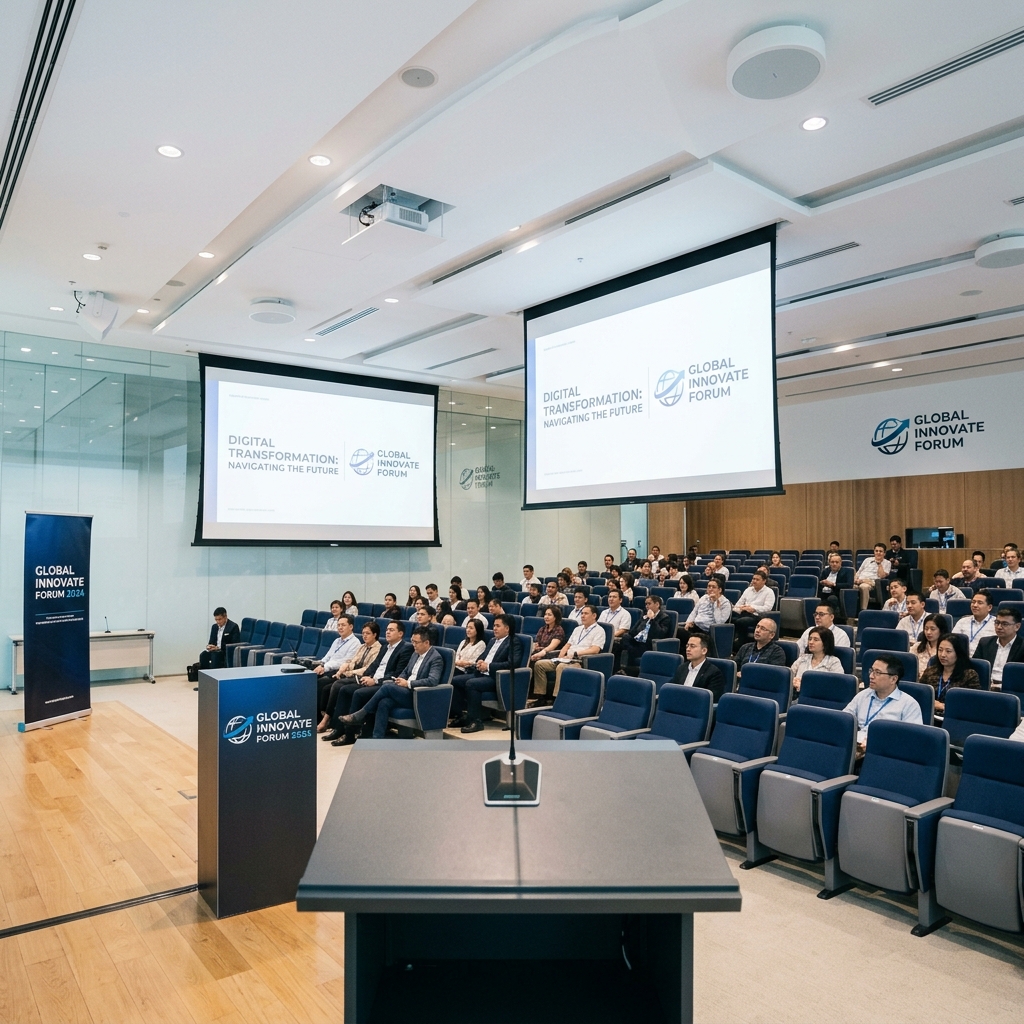

The Cornerstone of Event Success: Event Permit Acquisition
Organizing a successful event in Nairobi, Kenya, requires more than just creative flair and meticulous planning; it demands a thorough understanding of local regulations. At the heart of this administrative process lies event permit acquisition. Without the correct permits, your event risks significant delays, hefty fines, or even outright cancellation. Navigating the various government agencies and their specific requirements can be daunting. This guide will provide a comprehensive roadmap for efficient event permit acquisition in Nairobi, ensuring your project adheres to all legal stipulations. We aim to simplify this often-complex process, allowing you to focus on delivering an unforgettable experience. Sound Hire Nairobi is here to support your journey towards seamless event permit acquisition.
Identifying Necessary Permits for Your Event
The first critical step in event permit acquisition is to accurately identify all the permits required for your specific event in Nairobi. The type of permits needed will vary significantly based on factors such as the event's scale, location, activities, and target audience. Common permits include a Public Gathering Permit from the County Government of Nairobi, a Noise Permit if amplified sound is involved, and potentially a Health Permit for food and beverage services. Events involving temporary structures, road closures, or special performances may require additional approvals. It is crucial to conduct thorough research or consult with local experts early in the planning process to create a comprehensive checklist. Missing even one permit can jeopardize your entire event and complicate the event permit acquisition process significantly.

Navigating the Application Process and Key Authorities
Once you have identified the necessary permits, the next challenge in event permit acquisition is navigating the application process itself. This often involves interacting with multiple government bodies, including the Nairobi County Government, the National Environment Management Authority (NEMA), the Kenya Police Service, and potentially the Ministry of Sports, Culture and Heritage. Each authority will have its own application forms, submission requirements, and processing timelines. Be prepared to provide detailed event plans, including site maps, security arrangements, waste management strategies, and emergency procedures. Submitting accurate and complete documentation is paramount to avoid delays. Building relationships with key contacts within these agencies can also facilitate a smoother event permit acquisition experience, reducing potential roadblocks.
Understanding Timelines and Strategic Planning
Timing is everything when it comes to successful event permit acquisition. Many permits require applications to be submitted several weeks or even months in advance of the event date. Public gathering permits, for example, often involve a review period and public notification. It's essential to create a detailed timeline for each permit application, factoring in potential delays or requests for additional information. Start the process as early as possible. Procrastination in permit acquisition can lead to last-minute rushes, increased costs, or even the inability to secure necessary approvals. Strategic planning and adherence to deadlines are vital to ensuring that all your permits are in hand well before your event is scheduled to commence, making event permit acquisition a stress-free part of your event planning.
Required Documentation and Supporting Information
Successful event permit acquisition hinges on providing comprehensive and accurate documentation. While specific requirements vary, common documents include a detailed event proposal, site layout plans, risk assessment reports, emergency response plans, and proof of public liability insurance. You may also need to submit copies of organizational registration documents, identification of key personnel, and letters of no objection from relevant stakeholders or local communities. For events involving sound, details of the sound system and noise mitigation strategies might be requested. Ensure all documents are professionally prepared, clearly legible, and submitted in the required format. Any missing or incorrect information can cause significant delays in your event permit acquisition process, making thorough preparation absolutely essential.
Budgeting for Permit Fees and Associated Costs
Event permit acquisition is not a free process; it comes with associated fees that must be factored into your overall event budget. Permit fees vary widely depending on the type of permit, the scale of the event, and the specific authority issuing it. Beyond the direct permit fees, consider other potential costs such as professional fees for consultants (if you hire one to assist), legal advice for complex permits, and costs associated with preparing required documentation (e.g., architectural drawings, environmental impact assessments). Unexpected charges can quickly accumulate, so allocate a contingency budget for permit-related expenses. Transparent budgeting for event permit acquisition ensures financial stability and prevents unforeseen expenditures from impacting your event's profitability in Nairobi.
Overcoming Challenges in Permit Acquisition
Despite careful planning, challenges can arise during event permit acquisition. These may include bureaucratic delays, changes in regulations, or unexpected objections from local communities. To overcome these, maintain open lines of communication with relevant authorities. Be flexible and prepared to adjust your plans if necessary to meet new requirements. If you encounter significant hurdles, consider seeking assistance from local event logistics experts or legal counsel who have experience navigating the Kenyan regulatory landscape. Their insights and connections can be invaluable in expediting the process and resolving complex issues. Proactive problem-solving and adaptability are key to successfully navigating potential obstacles in event permit acquisition and ensuring your event proceeds as planned in Nairobi.