
The Cornerstone of Event Excellence: Effective Performance Management
In the demanding world of event production, where every detail counts, effective event performance management logistics are paramount. This involves setting clear expectations, providing continuous feedback, and evaluating outcomes to ensure every team member contributes optimally. For event companies in Nairobi, robust performance management ensures that technical crews, logistics teams, and creative staff are all aligned and performing at their peak. It's not just about correcting mistakes; it's about fostering growth, recognizing achievements, and proactively addressing challenges. Without well-defined event performance management logistics, inconsistencies can arise, leading to operational inefficiencies and compromised event quality. Investing in a systematic approach elevates the overall standard of your events. It empowers your team to deliver exceptional experiences consistently. Understanding the nuances of event performance management logistics is key.
Setting Clear Performance Expectations for Event Teams
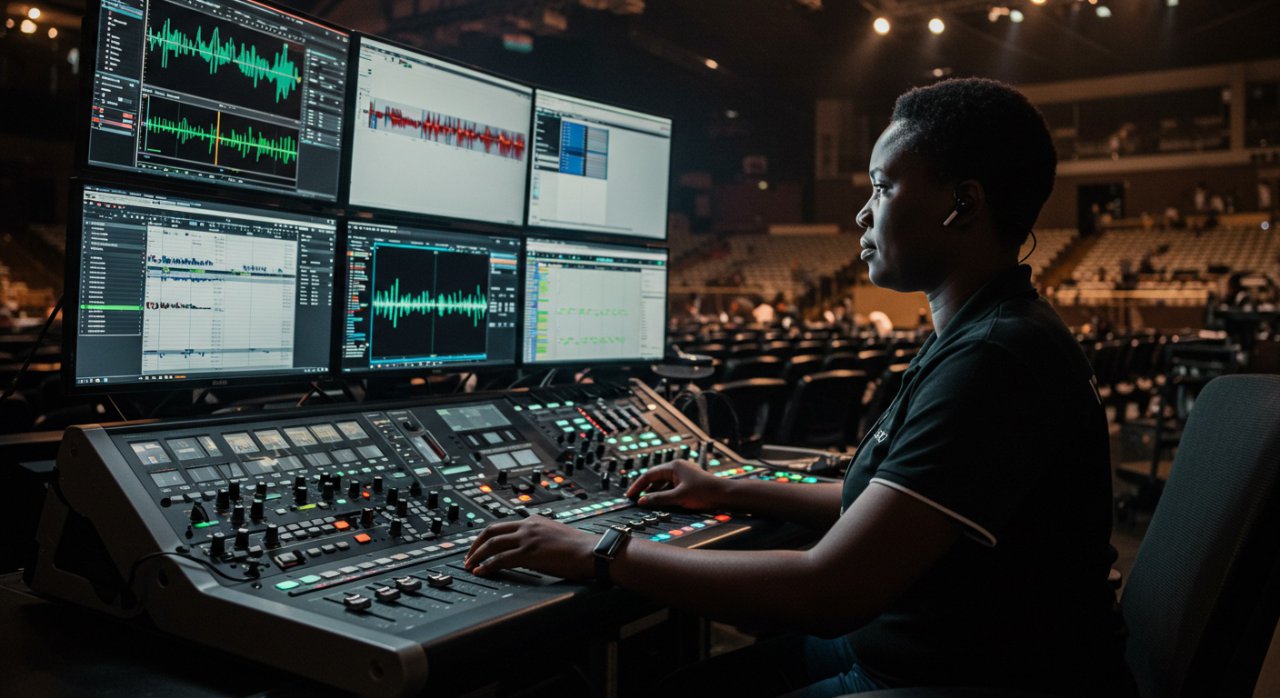
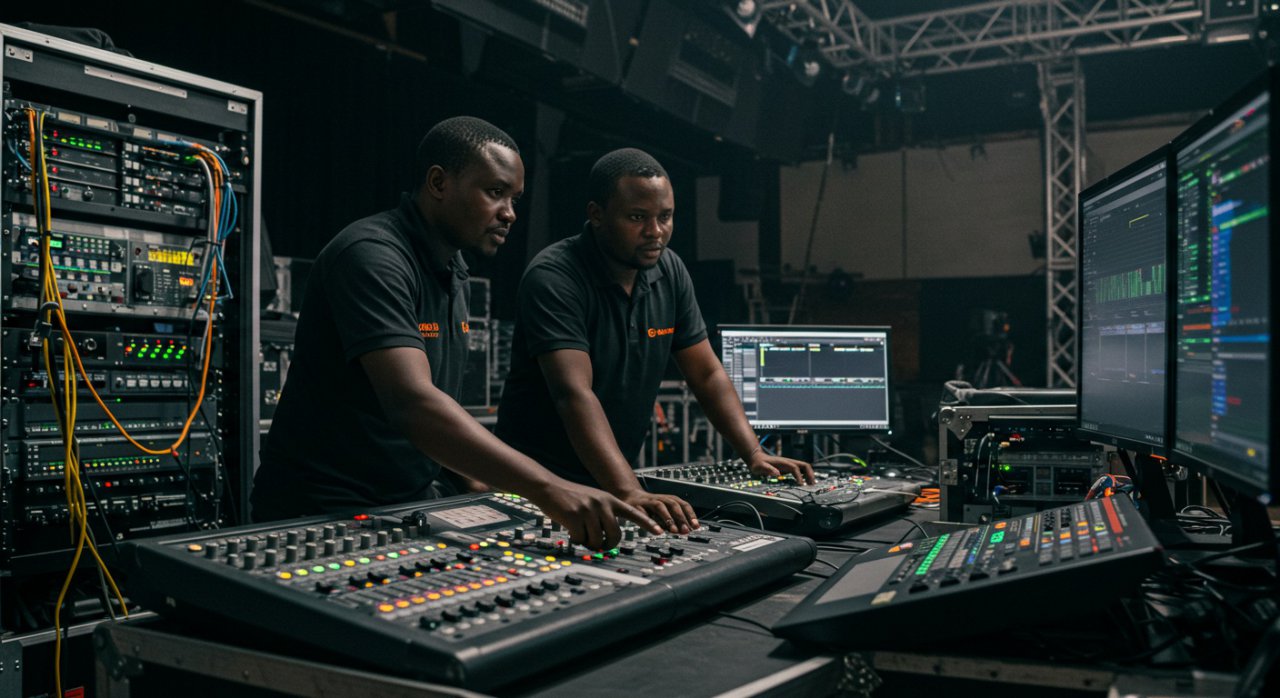
The foundation of effective event performance management logistics lies in setting clear and measurable performance expectations. Before any event kicks off, each team member, from the stage manager to the lighting technician, must understand their specific roles, responsibilities, and the quality standards expected. These expectations should be communicated explicitly, ideally in writing, and discussed in pre-event briefings. For example, a sound engineer's expectation might include ensuring pristine audio quality throughout the event, with specific metrics for sound checks and troubleshooting response times. Clearly defined expectations reduce ambiguity, boost confidence, and enable staff to focus their efforts effectively. They also provide a benchmark against which performance can be objectively evaluated. In Nairobi's dynamic event scene, where various cultural and logistical factors come into play, clarity is paramount. This initial step ensures everyone is on the same page and working towards a common goal, making for a smoother operation.

Implementing Real-Time Feedback and Coaching During Events
Traditional annual reviews are often insufficient for the fast-paced nature of events. Real-time feedback and coaching are crucial components of modern event performance management logistics. During an event, managers should be equipped to provide immediate, constructive feedback to team members. This could involve quick adjustments to stage setup, changes in mic levels, or improvements in crowd flow management. Coaching should be supportive, focusing on immediate improvement rather than just pointing out errors. It's about guiding staff to adapt and excel under pressure. Post-shift debriefs are also excellent opportunities for real-time feedback, allowing for immediate reflection and learning. This continuous feedback loop helps prevent small issues from escalating and fosters a culture of continuous improvement. It empowers staff to make quick, informed decisions. Such agile performance management is particularly valuable in the unpredictable environment of live events in Nairobi, ensuring flexibility and responsiveness.
Designing Effective Performance Review Processes for Event Staff
While real-time feedback is essential, a structured performance review process also plays a vital role in long-term event performance management logistics. For event staff, these reviews should ideally occur after major projects or at regular intervals, such as quarterly or bi-annually, depending on contract length. The reviews should be comprehensive, assessing performance against pre-set goals, competencies, and company values. Incorporate both self-assessment and manager evaluations. Encourage a two-way dialogue where employees can share their perspectives, challenges, and career aspirations. Focus on growth and development plans, identifying training needs or opportunities for advancement. The review process should be fair, transparent, and objective. Documenting these reviews provides a clear record of performance over time, which is useful for promotions, salary adjustments, or addressing persistent performance issues. A well-designed review system motivates staff and helps them understand their career path within your event company in Nairobi.
Recognizing and Rewarding High Performers in Event Teams
A critical aspect of effective event performance management logistics is recognizing and rewarding high performers. Acknowledging outstanding contributions motivates individuals and inspires the entire team. Recognition can take many forms: verbal praise, public acknowledgment during team meetings, bonuses, gift vouchers, or opportunities for more challenging roles. For event staff, who often work long hours under pressure, appreciation goes a long way. Create a culture where excellent work is noticed and celebrated. This reinforces positive behaviors and encourages others to strive for similar levels of performance. Rewards don't always have to be monetary; professional development opportunities, like advanced training courses, can be highly valued. A robust recognition program fosters loyalty, reduces turnover, and builds a strong, positive team dynamic. It shows that your company values its employees' hard work and dedication, which is crucial for retaining top talent in Nairobi's competitive event industry.
Addressing Underperformance Effectively and Constructively
Addressing underperformance is a challenging but necessary part of event performance management logistics. It requires a constructive and supportive approach. Start by clearly identifying the specific performance gap and its impact on the event or team. Engage in a private, direct conversation with the employee, focusing on facts and observations rather than assumptions. Seek to understand the root cause of the underperformance – could it be a lack of training, unclear expectations, personal challenges, or resource constraints? Develop a clear action plan with specific, measurable goals and a timeline for improvement. Provide necessary support, such as additional training, mentorship, or resources. Regular follow-ups are essential to monitor progress. If improvement is not seen, then disciplinary actions, following company policy and labor laws in Kenya, may be necessary. The goal is always to help the employee succeed, but also to maintain high standards for the entire event team in Nairobi.
Leveraging Data and Analytics for Performance Improvement
In the modern event industry, leveraging data and analytics is transforming event performance management logistics. Collect data on various aspects of event execution: setup times, technical glitches, customer feedback, team efficiency, and incident reports. Analyze this data to identify patterns, strengths, and areas needing improvement. For example, consistent delays in a particular setup phase might indicate a training gap or a need for better resource allocation. Post-event surveys for both staff and clients can provide quantitative and qualitative insights. Use project management software to track task completion rates and team workload. This data-driven approach moves performance management beyond subjective observations to objective analysis. It allows for more informed decision-making and targeted interventions. By continuously analyzing performance data, event companies in Nairobi can refine their processes, optimize resource allocation, and enhance overall operational excellence for future events. This leads to continuous, measurable improvement across all event functions.