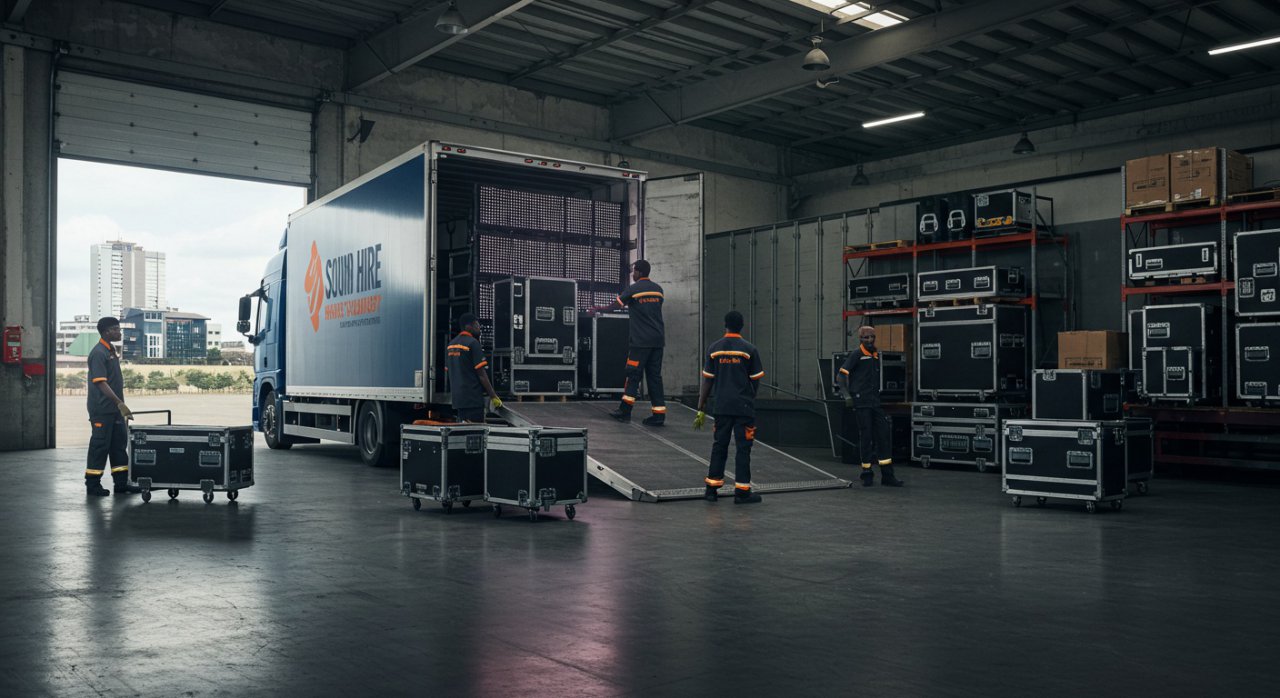
The Crucial Role of Event Negotiation Skills in Logistics
In the dynamic world of event management, effective **Event Negotiation Skills** are not just an advantage; they are an absolute necessity. From securing venues to managing vendor contracts and coordinating technical production, the ability to negotiate effectively directly impacts an event's success and profitability. Strong negotiation ensures that all logistical elements align perfectly, preventing costly delays and unexpected issues. For any event professional in Nairobi, honing these skills is paramount. It allows for optimal resource allocation and strengthens relationships with suppliers and clients. Understanding the nuances of **Event Negotiation Skills** helps in navigating complex scenarios. This leads to more favorable outcomes for all parties involved.
Strategic Planning for Effective Event Negotiations
Successful **Event Negotiation Skills** begin long before any formal discussions take place. Thorough strategic planning is the bedrock upon which strong negotiation stands. This involves a deep understanding of your event's specific needs, budget constraints, and desired outcomes. Researching potential vendors, understanding market rates, and identifying alternative solutions are critical steps. Develop clear objectives for each negotiation, distinguishing between 'must-haves' and 'nice-to-haves'. Preparing a comprehensive negotiation brief, outlining your terms and conditions, empowers you during discussions. This proactive approach ensures you enter negotiations well-informed and confident. It also allows you to anticipate potential challenges. Effective planning minimizes surprises and maximizes your leverage. This sets the stage for achieving favorable agreements for all event logistics.

Vendor Management and Contract Negotiations
Managing vendors is a cornerstone of event logistics, and it heavily relies on refined **Event Negotiation Skills**. When engaging with suppliers for sound, lighting, staging, or other equipment, clarity and precision in contracts are vital. Focus on more than just price; consider terms of service, delivery schedules, installation, technical support, and post-event breakdown. Negotiate for flexibility clauses to accommodate unforeseen changes. Building long-term relationships with reliable vendors through fair and transparent negotiations is incredibly beneficial. It can lead to better rates and preferential treatment for future events. Always review contracts meticulously before signing. Ensure all agreed-upon terms are accurately reflected. This due diligence protects your event from potential disputes and ensures smooth operations. Our team at Sound Hire Nairobi excels in these partnerships.
Budgeting and Cost Control Through Negotiation
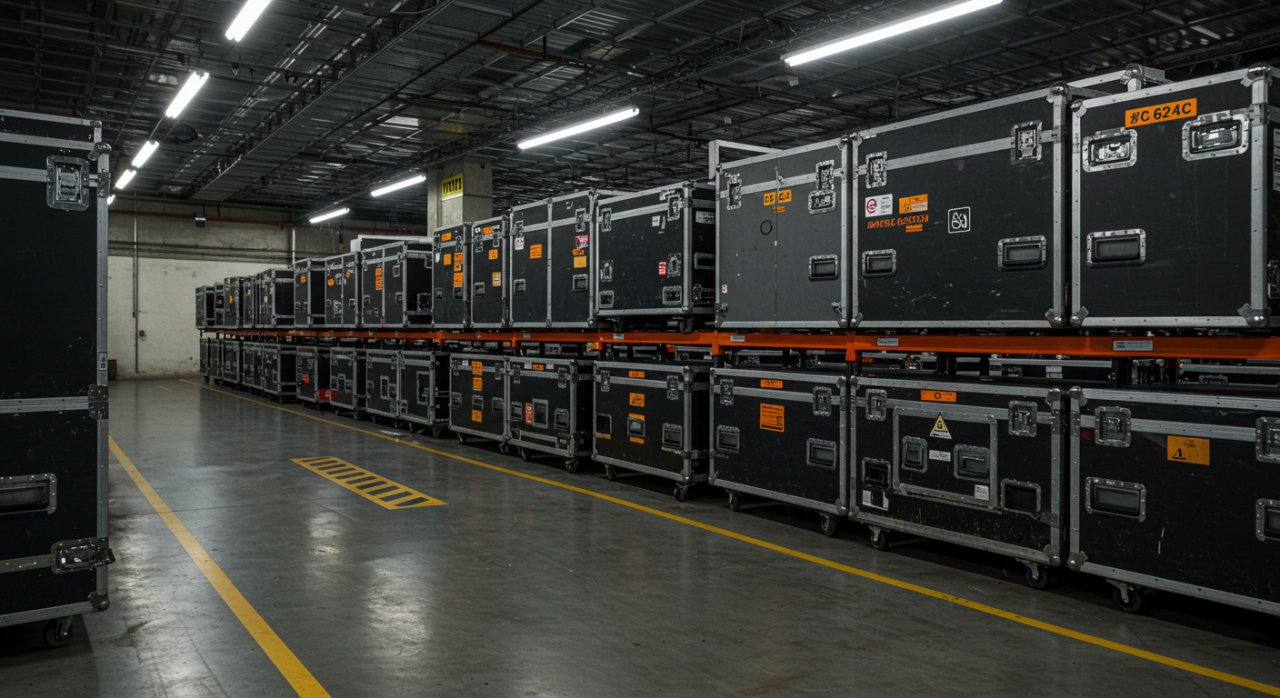
One of the most significant impacts of strong **Event Negotiation Skills** is their contribution to budget adherence and cost control. Every dollar saved through smart negotiation can be reallocated to enhance other aspects of the event or improve profitability. This involves not only negotiating initial prices but also looking for value-added services or bundled packages. Be prepared to justify your offers and understand the vendor's cost structure. Sometimes, offering extended contracts or bulk orders can lead to better pricing. Always maintain a realistic budget and stick to it, using negotiation to achieve the best possible value within those limits. Effective negotiation helps avoid budget overruns. It ensures financial stability for your event. This is crucial for sustained success in event planning.
Navigating Challenges and Conflict Resolution
Even with the best planning, challenges can arise during event logistics. This is where advanced **Event Negotiation Skills** become indispensable for conflict resolution. Disagreements with vendors, unexpected technical issues, or last-minute changes require a calm and strategic approach. Focus on finding mutually beneficial solutions rather than engaging in confrontational tactics. Active listening, empathy, and clear communication are key to de-escalating tension. Be willing to compromise where appropriate, but also stand firm on critical non-negotiables. Document all discussions and agreements to prevent future misunderstandings. The ability to resolve conflicts amicably maintains professional relationships and ensures the event proceeds smoothly despite hurdles. It builds trust and reliability.
Communication Strategies for Effective Negotiation
Effective communication is the backbone of superior **Event Negotiation Skills**. It involves more than just speaking; it's about listening intently, understanding underlying needs, and conveying your position clearly and persuasively. Use open-ended questions to gather information and build rapport. Practice active listening to truly grasp the other party's perspective and priorities. Be clear and concise in your proposals, avoiding jargon or ambiguity. Non-verbal cues, such as body language and tone of voice, also play a significant role. Maintain a professional and respectful demeanor throughout the negotiation process. Strong communication fosters trust and collaboration, paving the way for more successful outcomes. It transforms potential adversaries into partners.
Post-Event Analysis and Relationship Building
The application of **Event Negotiation Skills** doesn't end when the event concludes. Post-event analysis is crucial for evaluating the effectiveness of your negotiation strategies and identifying areas for improvement. Review contracts against actual services rendered and costs incurred. Gather feedback from your team and key stakeholders. This reflective process provides valuable insights for future negotiations. Furthermore, nurturing relationships with vendors and partners after an event is essential. A positive post-event experience can lead to continued partnerships, potentially securing better deals for future projects. Maintaining strong professional relationships through consistent, fair dealings ensures a reliable network of support for all your events in Nairobi.