
The Power of Effective Media Relations in Events
In today's fast-paced news cycle, securing positive media coverage is paramount for any successful event in Nairobi. Expert event media relations logistics ensure your message reaches the right audience through influential channels. This involves more than just sending out a press release; it's about building relationships, providing compelling content, and managing media interactions seamlessly. From pre-event buzz to post-event reporting, every stage requires strategic planning. Neglecting robust media relations can mean missed opportunities for publicity and brand enhancement. This guide will explore how to implement superior event media relations logistics in Nairobi, transforming your event into a media highlight. We will cover key strategies to maximize your event's exposure and manage its narrative effectively. Let's make your next event a media success story.
Pre-Event Media Outreach and Accreditation
The foundation of strong event media relations logistics begins long before the event day with strategic pre-event media outreach. Identify key journalists, bloggers, and influencers in Nairobi and beyond who cover your industry or event type. Craft personalized pitches that highlight the unique story and newsworthiness of your event. Distribute compelling press releases and media advisories well in advance, providing essential details and compelling angles. Crucially, establish a clear media accreditation process. This ensures that only legitimate journalists gain access, allowing for better management of media personnel on-site. Provide an easy online registration system and clear guidelines for accreditation. Offering exclusive interviews or sneak peeks to select media outlets can also generate early interest. This proactive approach to pre-event engagement is vital for building momentum and ensuring comprehensive coverage, making it a cornerstone of effective event media relations logistics for any successful gathering in Nairobi. It sets the stage for a well-covered event.
Setting Up an Efficient Media Centre
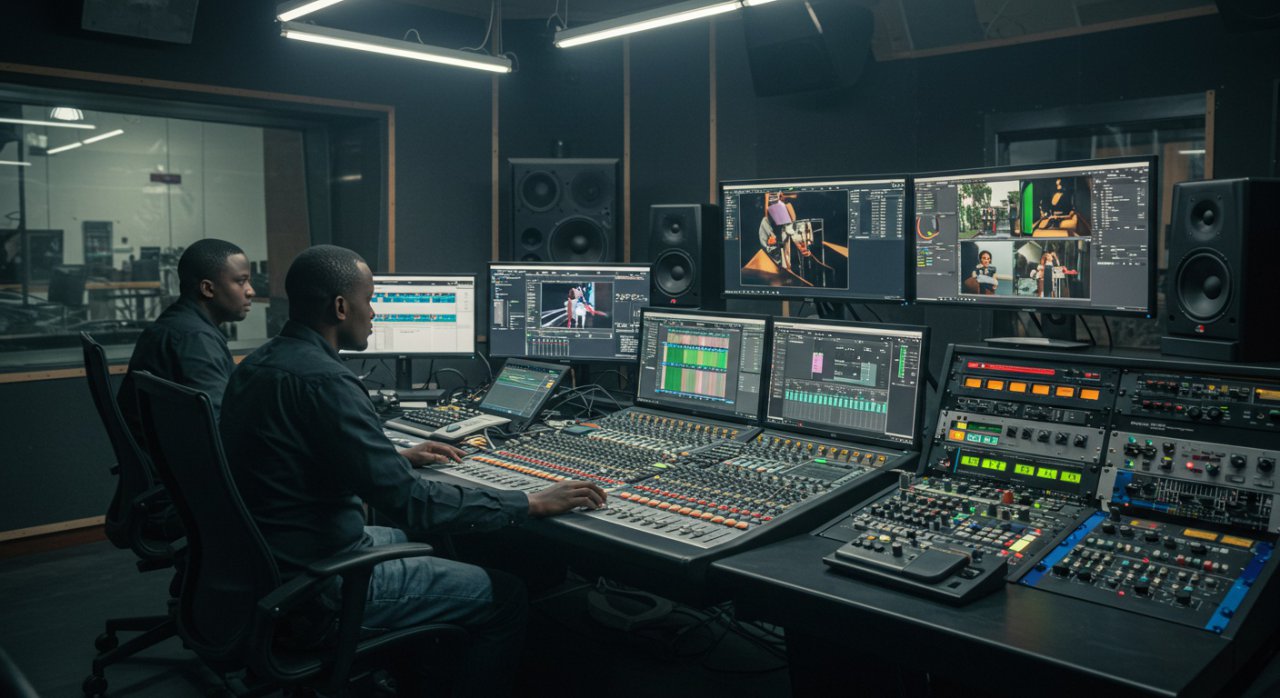
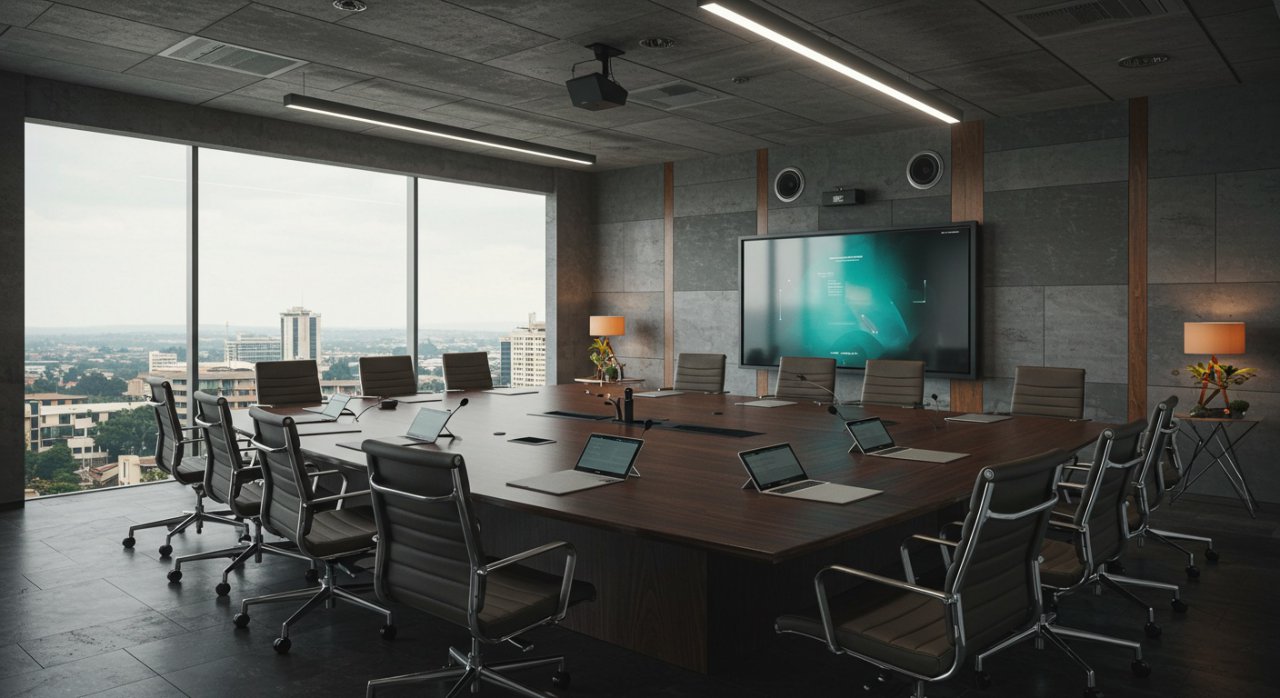
A well-equipped and organized media centre is indispensable for successful event media relations logistics. This dedicated space at your Nairobi venue provides journalists with a functional hub to work, file stories, and conduct interviews. It should feature reliable high-speed internet access, power outlets, comfortable seating, and access to printers and photocopiers. Provide essential resources such as press kits (both physical and digital), event schedules, speaker bios, and high-resolution images or video clips. Staff the media centre with knowledgeable media relations professionals who can assist journalists with inquiries, facilitate interviews, and provide real-time updates. Clear signage directing media to the centre is also important. A welcoming and efficient media centre demonstrates professionalism and commitment to supporting the press, significantly enhancing their ability to cover your event effectively. This attention to detail is a hallmark of excellent event media relations logistics, ensuring journalists have everything they need to tell your story comprehensively.
Managing Press Conferences and Interview Opportunities
Seamlessly managing press conferences and interview opportunities is a critical aspect of effective event media relations logistics. Schedule press conferences at optimal times, considering journalists' deadlines and the event flow. Prepare key spokespersons with clear talking points and media training to ensure consistent messaging. Provide a professional setup with good lighting, sound, and a branded backdrop. For individual interviews, create a structured schedule, matching journalists with relevant spokespersons based on their areas of interest. Ensure a quiet, private space is available for these interviews. Have a media liaison present to manage timings and facilitate smooth transitions. Post-conference, distribute a summary of key announcements and any relevant multimedia content. In Nairobi's competitive media landscape, providing structured and accessible interview opportunities can significantly increase the depth and quality of coverage. This meticulous coordination is central to successful event media relations logistics, ensuring your event's narrative is communicated powerfully and accurately.
Digital Media Integration and Social Media Strategy
In the modern era, event media relations logistics must extend beyond traditional press to embrace digital and social media. Develop a comprehensive social media strategy that runs concurrently with your traditional media outreach. Utilize platforms like Twitter, Facebook, Instagram, and LinkedIn to share live updates, behind-the-scenes content, and interact directly with attendees and media. Create a unique event hashtag and encourage its use. Provide media with shareable content, including short video clips, high-quality photos, and infographics. Engage with journalists and influencers online, amplifying their coverage of your event. Consider live-streaming key sessions or press conferences to reach a broader audience. A dedicated social media team can monitor mentions, respond to comments, and manage any potential crises in real-time. Integrating digital media effectively ensures your event's story reaches a global audience instantly, making it an indispensable part of cutting-edge event media relations logistics for any event in Nairobi. This multi-channel approach maximizes impact.
Crisis Communication and Reputation Management
Even with meticulous planning, unforeseen issues can arise, making robust crisis communication a vital component of event media relations logistics. Develop a crisis communication plan well in advance, identifying potential risks and outlining clear protocols for response. This includes designating a primary spokesperson, drafting pre-approved statements for various scenarios, and establishing a rapid response team. In the event of a crisis at your Nairobi event, respond swiftly, transparently, and consistently across all media channels. Avoid speculation and focus on providing accurate information and reassurance. Monitor media coverage and social media closely to track sentiment and address misinformation promptly. A well-managed crisis can minimize damage to your event's and organization's reputation. Conversely, a poorly handled crisis can have lasting negative effects. Proactive crisis planning is an essential safeguard within event media relations logistics, protecting your event's integrity and ensuring public trust, even in challenging circumstances. It's about being prepared for the unexpected.
Post-Event Media Follow-Up and Reporting
The work of event media relations logistics doesn't end when the event concludes. Post-event follow-up is crucial for maximizing long-term impact and nurturing media relationships. Send personalized thank-you notes to journalists who covered your event, along with a comprehensive post-event press kit containing highlights, statistics, and additional multimedia content. Offer exclusive follow-up interviews or stories to key media outlets. Compile a media report that tracks all coverage, including print, online, broadcast, and social media mentions. Analyze the reach, tone, and key messages conveyed. This report helps assess the effectiveness of your media relations efforts and provides valuable insights for future events. Building lasting relationships with the media in Nairobi is an ongoing process. Thorough post-event engagement is the final, yet crucial, step in effective event media relations logistics, ensuring your event leaves a positive and lasting impression on the media landscape and beyond.