The Importance of Event Licensing for Nairobi Operations
For any event organizer in Nairobi, Kenya, navigating the intricate world of event licensing is an absolute necessity. Beyond general permits, specific licenses are often required for various activities to ensure legal compliance and smooth operation. Failing to secure the appropriate event licensing can lead to significant disruptions, legal repercussions, and financial penalties, tarnishing your event's reputation. This comprehensive guide will illuminate the crucial aspects of event licensing in Nairobi, covering everything from music rights to food and beverage sales. We aim to equip you with the knowledge needed to confidently manage all licensing requirements, ensuring your event is both compliant and successful. Sound Hire Nairobi is dedicated to supporting your event's legal foundation.
Types of Event Licenses Commonly Required in Nairobi
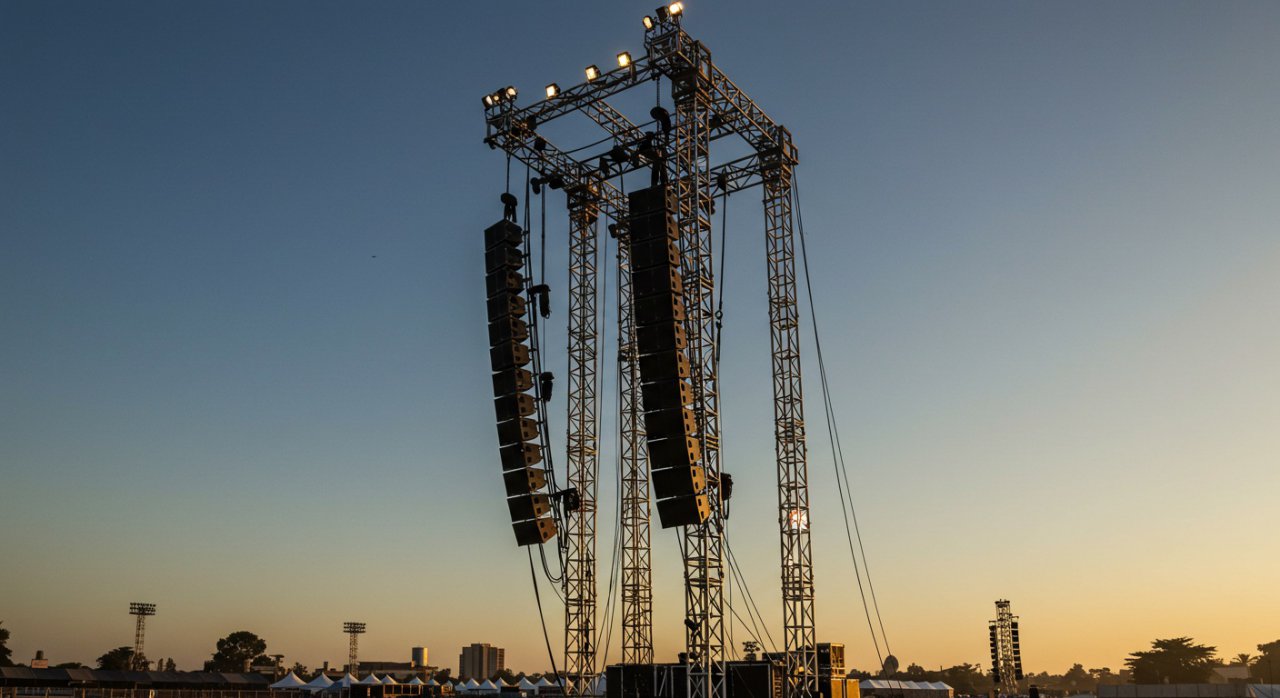
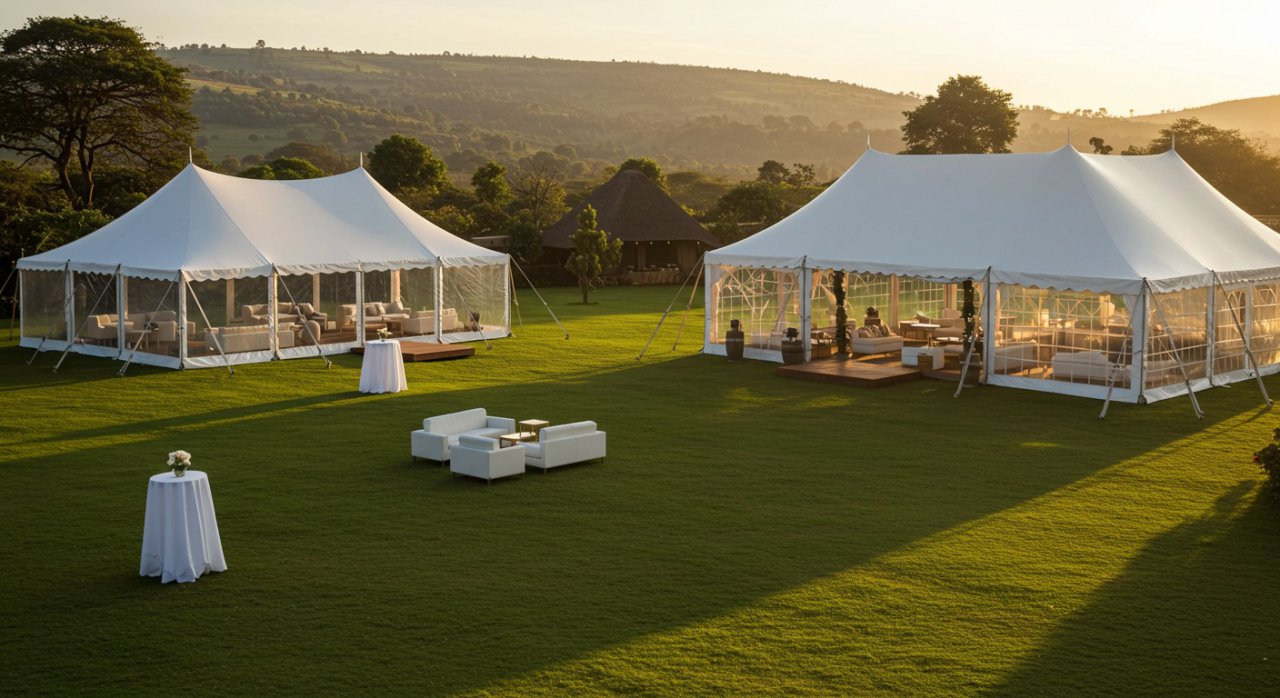
The landscape of event licensing in Nairobi is diverse, with specific licenses required based on the nature of your event. If your event features live music, DJs, or any copyrighted audio, you will need music performance licenses from collective management organizations like MCSK (Music Copyright Society of Kenya) or KAMP (Kenya Association of Music Producers). Events serving alcohol require a temporary liquor license from the County Government. If food is sold or served, a Food Hygiene License is essential. Furthermore, certain temporary structures, like marquees or stages, might require specific structural safety certifications or licenses. Understanding these various types of licenses is the initial crucial step in comprehensive event licensing, ensuring you don't overlook any critical legal requirements for your Nairobi event.

Navigating the Licensing Application Process
The application process for event licensing in Nairobi can be complex, involving different government departments and specific documentation. Each license typically has its own application form, submission deadlines, and supporting document requirements. For instance, a liquor license application might require venue details, a security plan, and an approval letter from local authorities. Music licenses often depend on the event's capacity and duration. It is vital to start the application process well in advance, as processing times can vary significantly. Be prepared to provide detailed event plans, safety measures, and proof of compliance with other regulations. Diligence in submitting accurate and complete applications is key to a smooth event licensing experience, preventing unnecessary delays or rejections for your event.
Understanding Fees and Budgeting for Licenses

Event licensing comes with associated fees that must be carefully incorporated into your event budget. These fees are not uniform; they vary based on the type of license, the duration of the event, the capacity, and the specific authority issuing it. For example, a temporary liquor license for a large event will likely be more expensive than for a small private gathering. Music licensing fees are often calculated based on the event's projected attendance or revenue. It's crucial to research and confirm all applicable fees early in your planning to avoid budget overruns. Factor in potential administrative costs, such as legal consultation fees if you require expert advice on complex licensing matters. Accurate budgeting for event licensing ensures financial stability and prevents unexpected expenditures.
Compliance with Health, Safety, and Environmental Standards
Beyond securing the actual licenses, event licensing often implies adherence to broader health, safety, and environmental standards. A Food Hygiene License, for example, means you must comply with strict food handling, storage, and preparation regulations set by public health officials. Similarly, a temporary structure license will require that the structure meets specific safety and engineering standards. Events, especially large ones, are also expected to have robust waste management plans to comply with environmental regulations. These underlying compliance requirements are integral to successful event licensing and demonstrate your commitment to responsible event management. Ensuring these standards are met is not just a legal obligation but also crucial for the well-being of your attendees and the integrity of your event in Nairobi.
The Role of Local Authorities and Stakeholder Engagement
Effective event licensing often involves engaging with various local authorities and stakeholders in Nairobi. This includes the County Government, local police, health departments, and even community leaders, especially for events impacting local residents. Open communication and early engagement can significantly smooth the licensing process. Addressing potential concerns from local communities, such as noise levels or traffic disruption, can prevent objections that might delay or complicate license approval. Building positive relationships with these entities is beneficial not only for securing licenses but also for fostering a supportive environment for your event. Proactive stakeholder engagement is a strategic component of successful event licensing, ensuring community acceptance and regulatory approval for your Nairobi project.
Post-Licensing: Ongoing Compliance and Record Keeping
Securing event licensing is not the end of your compliance journey; ongoing adherence to license conditions and meticulous record-keeping are equally important. Ensure that all conditions stipulated in your licenses are strictly followed throughout the event. For example, adhere to specified operating hours for alcohol sales or noise limits. Keep all original licenses and related documentation readily accessible at the event venue in case of inspections by authorities. Maintaining a comprehensive log of all communications, applications, and approvals provides a robust audit trail. This diligent post-licensing management is crucial for demonstrating continuous compliance and protecting your organization from future liabilities. This final stage of event licensing ensures long-term success and reputation for your events in Nairobi.