
Why Event Insurance is Non-Negotiable for Nairobi Events
Planning an event in Nairobi, Kenya, comes with inherent risks, from minor unforeseen hitches to major catastrophic incidents. This is precisely why robust event insurance logistics are not just a recommendation but a critical necessity. Whether you're organizing a corporate conference, a music festival, or a private celebration, adequate insurance coverage provides a vital safety net. It protects event organizers from financial losses due to cancellations, property damage, or liability claims arising from injuries. Navigating the diverse types of event insurance and understanding their coverage can be complex. This guide aims to demystify the process, helping you make informed decisions to safeguard your event. Prioritizing comprehensive event insurance ensures peace of mind and financial security for your Nairobi project.
Understanding Different Types of Event Insurance
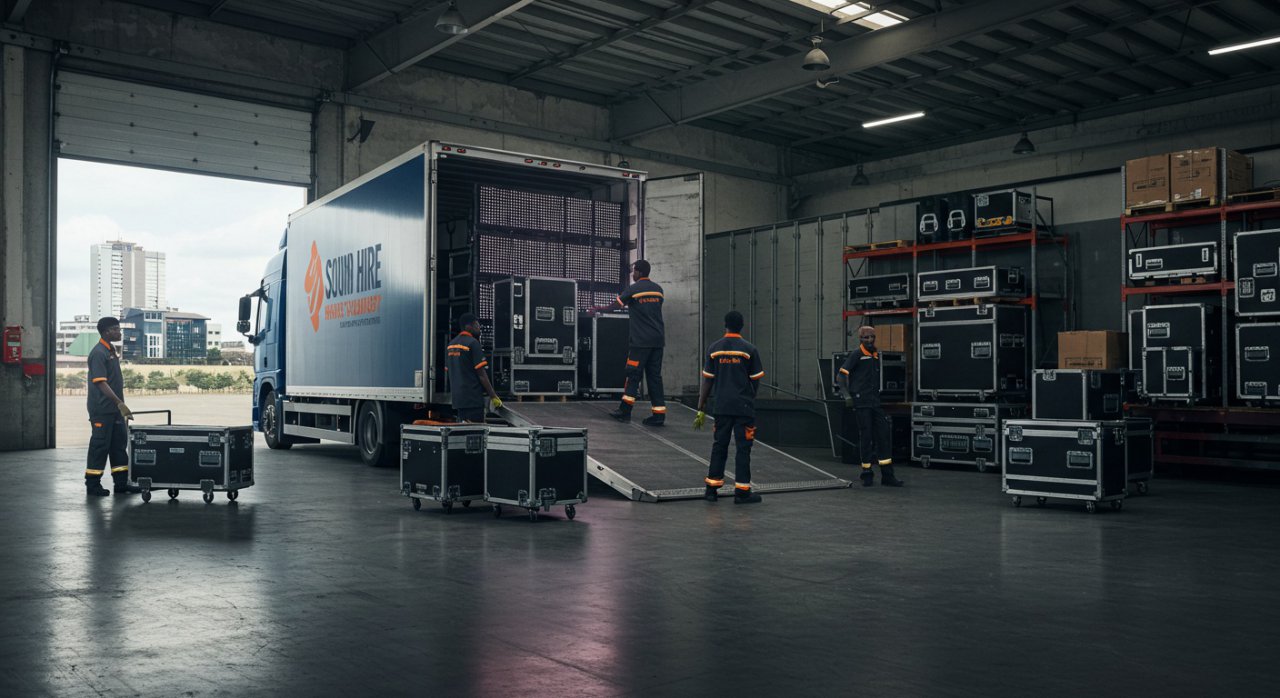
The world of event insurance offers several specialized coverages, each designed to address specific risks. Public Liability Insurance is perhaps the most common, protecting against claims arising from injury to attendees or damage to third-party property during your event. Event Cancellation Insurance covers financial losses if your event has to be postponed, relocated, or canceled due to unforeseen circumstances like severe weather, venue damage, or supplier failure. Property Insurance for borrowed or rented equipment is crucial, safeguarding against loss or damage to items like sound systems, lighting, or staging. There's also Employer's Liability Insurance if you have temporary staff. Understanding these distinct categories is the first step in building a comprehensive event insurance portfolio tailored to your specific event needs in Nairobi.
Assessing Event Risks to Determine Coverage Needs
A crucial component of effective event insurance logistics is a thorough risk assessment. Before securing policies, identify all potential risks associated with your specific event in Nairobi. Consider the venue type, the number of attendees, the activities planned, and the equipment being used. Is there a high risk of injury from certain activities? Is the event outdoors, making it susceptible to weather disruptions? Are valuable assets being brought in? A detailed risk assessment will help you determine the appropriate levels of coverage and identify any specific endorsements needed for your policies. For example, an event with pyrotechnics will require different coverage than a corporate seminar. This proactive approach ensures your event insurance accurately reflects the unique risk profile of your gathering.
Navigating Policy Exclusions and Limitations

When dealing with event insurance, it's just as important to understand what is NOT covered as what is. All insurance policies come with exclusions and limitations that can significantly impact your protection. Common exclusions might include acts of war, terrorism (though some policies offer extensions), pre-existing conditions, or certain types of negligence. Carefully read the fine print of your policy document. Pay close attention to deductibles, coverage limits, and any conditions that must be met for a claim to be valid. If there are specific risks you are concerned about, discuss them explicitly with your insurer to see if additional endorsements or a different policy can provide the necessary coverage. A clear understanding of these aspects during your event insurance process prevents unwelcome surprises during a claim.
Working with Insurance Brokers and Providers in Nairobi
Engaging with experienced insurance brokers in Nairobi can significantly streamline your event insurance process. Brokers specialize in finding the best policies tailored to your needs, often having access to multiple providers and specialized event insurance products. They can help you compare quotes, explain complex terms, and ensure you receive comprehensive coverage at a competitive price. When choosing a provider, consider their reputation, claims handling efficiency, and customer service. Don't hesitate to ask for references or review testimonials. A reliable insurance partner is invaluable, especially when navigating the intricacies of local regulations and ensuring your event insurance is watertight. Sound Hire Nairobi works with trusted partners to ensure all aspects of your event are secure.
The Claims Process: What to Do When an Incident Occurs
Despite meticulous planning and comprehensive event insurance, incidents can still occur. Knowing the claims process beforehand is crucial. In the event of an incident, prioritize safety and medical attention for any injured parties. Document everything immediately: take photos, gather witness statements, and record details of the event. Notify your insurance provider as soon as possible, adhering to their specific reporting procedures and timelines. Provide all requested documentation promptly and accurately. Being organized and swift in your response can significantly impact the success and speed of your claim. Understanding these steps ensures that your event insurance serves its purpose effectively when you need it most, minimizing further disruption to your event in Nairobi.
Integrating Insurance into Overall Event Planning
Event insurance should not be an afterthought but an integral part of your overall event planning strategy. Budget for insurance costs early in your planning process. Include insurance requirements in all vendor contracts, ensuring that your suppliers also carry adequate coverage and name your organization as an additional insured where appropriate. Communicate insurance details to all key stakeholders, including venue managers and staff, so everyone is aware of the protections in place. By weaving insurance considerations throughout your event planning timeline, you create a more resilient and secure event. This holistic approach to event insurance logistics solidifies your event's foundation, allowing you to focus on delivering an exceptional experience in Nairobi.