The Cornerstone of Success: Event Employee Training Logistics
In the fast-paced and demanding event industry, a well-trained workforce is the backbone of operational excellence. Effective **Event Employee Training** is not merely a formality; it's a strategic investment that directly impacts the quality of service, efficiency of operations, and overall success of any event. From technical crew to front-of-house staff, every team member plays a crucial role. However, the success of these training initiatives heavily relies on meticulous logistical planning. Poor logistics can undermine even the most comprehensive training programs. For event management agencies in Nairobi, prioritizing **Event Employee Training** with robust logistical support is essential. It ensures a highly skilled and adaptive team ready to deliver flawless events.
Assessing Training Needs and Gap Analysis
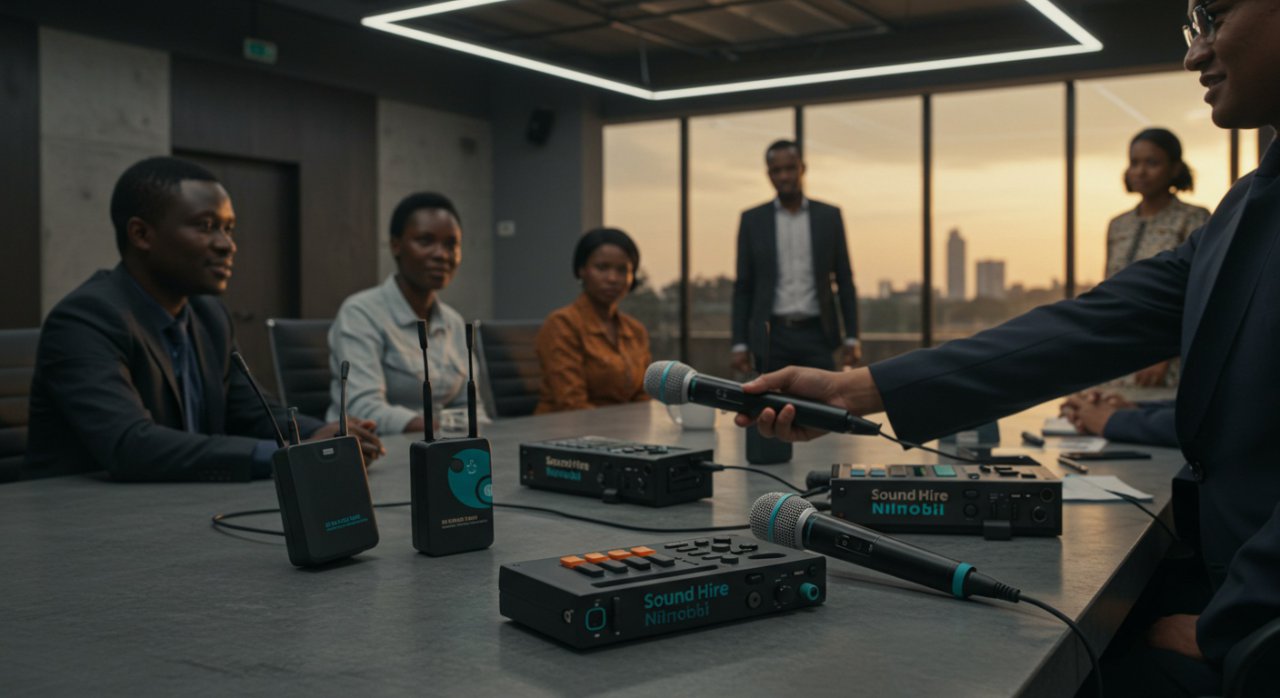
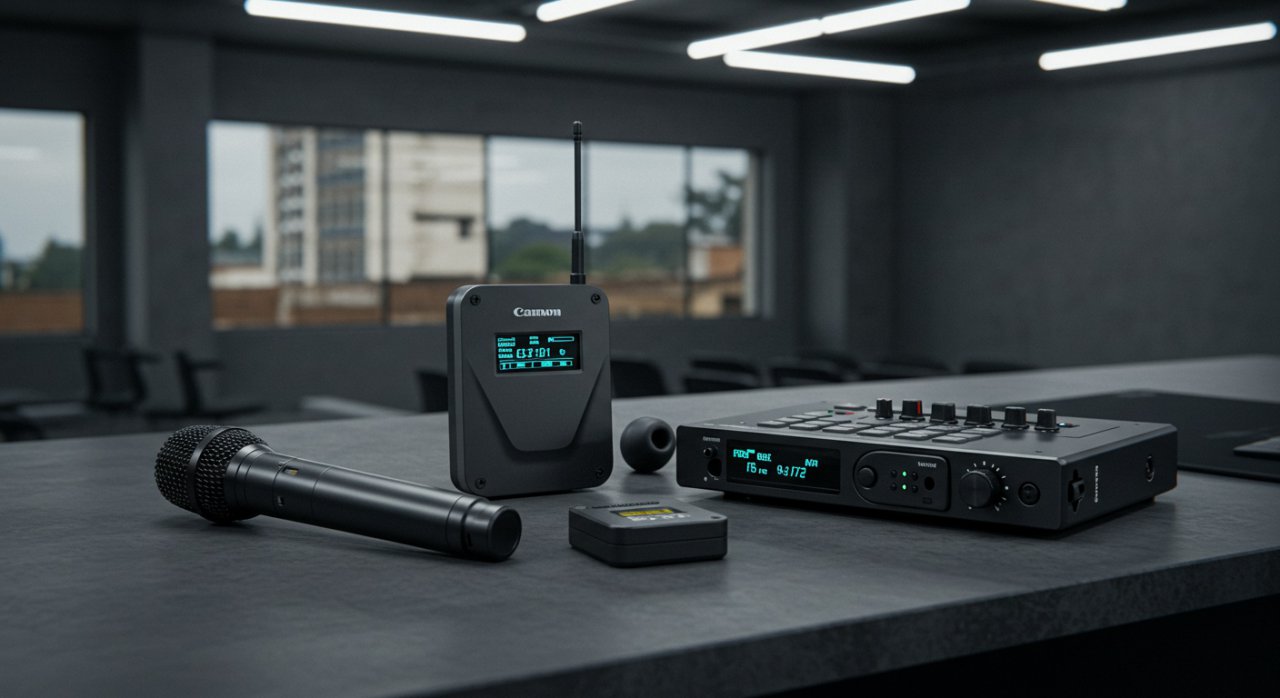
The initial step in successful **Event Employee Training** logistics is a thorough assessment of training needs. This involves identifying current skill sets, pinpointing knowledge gaps, and understanding the specific competencies required for various roles within event logistics. Conduct surveys, performance reviews, and direct observation to gather data. Analyze past event challenges to determine where additional training might have prevented issues. For example, if there were recurring problems with audio setup, specific training on sound equipment from Sound Hire Nairobi would be identified as a priority. This needs assessment forms the foundation for designing relevant and impactful training modules. It ensures that resources are allocated effectively, focusing on areas that will yield the greatest improvement in event delivery.

Designing Comprehensive Training Curriculum
Once training needs are identified, the next logistical phase in **Event Employee Training** is designing a comprehensive and engaging curriculum. This involves outlining learning objectives, selecting appropriate content, and structuring the training modules logically. Consider a blended learning approach, combining theoretical knowledge with practical, hands-on exercises. For technical roles, practical sessions with actual equipment are invaluable. For customer-facing roles, role-playing scenarios can be highly effective. Ensure the curriculum covers all aspects of event logistics, from safety protocols and technical operations to customer service and crisis management. The design should be adaptable, allowing for updates based on new technologies or industry best practices. A well-designed curriculum ensures relevant and impactful learning.
Logistics of Training Delivery Methods

The logistical execution of **Event Employee Training** delivery is paramount. Choose methods that best suit the content and the learners. Options include in-person workshops, online modules, on-the-job training, mentorship programs, or a combination. For in-person sessions, secure appropriate venues, arrange for necessary equipment (projectors, sound systems, props), and manage participant scheduling. For online training, ensure access to reliable platforms and technical support. Consider the availability of trainers, whether internal experts or external specialists. Sound Hire Nairobi often conducts internal training for its technical staff on new equipment and best practices, ensuring our team is always at the forefront. Efficient scheduling and resource management are crucial to minimize disruption to daily operations while maximizing training effectiveness.
Practical Application and On-the-Job Training
Theory alone is rarely sufficient; practical application is vital for effective **Event Employee Training**. On-the-job training (OJT) provides real-world experience, allowing employees to apply learned skills in a live event environment. Logistically, OJT involves assigning new or cross-training employees to shadow experienced staff, providing supervised opportunities to perform tasks, and offering immediate feedback. For instance, a new technician might assist an experienced Sound Hire Nairobi expert during an actual event setup. This hands-on approach reinforces theoretical knowledge and builds confidence. It also helps identify any remaining skill gaps that require further attention. Structured OJT programs ensure that employees are not just knowledgeable but also competent and confident in their roles, ready for any event scenario in Nairobi.
Evaluation and Continuous Improvement
The logistical cycle of **Event Employee Training** is incomplete without robust evaluation and a commitment to continuous improvement. After training, assess its effectiveness through quizzes, practical demonstrations, and post-training performance reviews. Gather feedback from participants and their supervisors. Analyze key performance indicators (KPIs) related to event execution, such as setup times, error rates, or client satisfaction, to see if the training had a tangible impact. Use this data to identify areas where the training program can be refined. This iterative process ensures that training remains relevant, effective, and aligned with evolving industry standards and company needs. Regular updates to the curriculum keep the workforce at the cutting edge.
Fostering a Culture of Learning and Development
Beyond individual training programs, the long-term success of **Event Employee Training** logistics lies in fostering a pervasive culture of continuous learning and development. This involves encouraging employees to seek out new knowledge, providing access to ongoing professional development resources, and recognizing achievements in learning. Create a supportive environment where sharing knowledge and peer-to-peer learning are celebrated. Implement mentorship programs and cross-training initiatives to broaden skill sets. For instance, encouraging technical staff at Sound Hire Nairobi to attend industry workshops ensures they stay updated on the latest audio-visual technologies. A culture that values learning transforms training from a periodic event into an ongoing journey. This builds a highly skilled, adaptable, and motivated workforce in Nairobi, ready for any challenge.