

The Importance of a Structured Offboarding Process for Event Staff
Just as crucial as a strong start, a smooth exit ensures professionalism and protects your event company's interests. Effective event employee offboarding logistics are vital for managing the departure of temporary or project-based staff. This process goes beyond simply saying goodbye; it encompasses administrative closure, equipment return, knowledge transfer, and legal compliance. A well-executed offboarding minimizes risks, maintains positive relationships, and ensures that valuable assets and information are recovered efficiently. In Nairobi's competitive event landscape, a professional offboarding reflects positively on your brand and can impact future talent acquisition. Neglecting event employee offboarding logistics can lead to security breaches, lost equipment, or legal complications. Investing in a clear offboarding strategy is an essential part of responsible event management. It protects your business and enhances your reputation. Understanding the nuances of event employee offboarding logistics is key.
Developing a Comprehensive Offboarding Strategy for Event Personnel
Creating a well-defined offboarding strategy is the first step towards managing employee departures effectively. This strategy should outline every aspect of the employee's exit, from the initial notification to final administrative tasks. It needs to address equipment retrieval, access revocation, and final payroll processing. For event personnel, who often work on short-term contracts, this plan must be adaptable and efficient. A consistent strategy ensures that all departing employees are treated fairly and that company assets are secured. It also helps in maintaining a positive employer brand, which is crucial for attracting future talent in Nairobi. Consider developing a checklist that guides managers and HR through the process. This helps prevent oversights and ensures all necessary steps are completed. A robust offboarding plan is a critical component of sound HR practices and effective event employee offboarding logistics. It minimizes disruption and protects your business from potential issues.

Key Steps for Smooth Employee Transitions in Event Management
A smooth employee transition during offboarding involves several critical steps. Begin with a formal notification and a clear explanation of the offboarding process. Conduct an exit interview to gather valuable feedback on their experience, which can be used to improve future employee engagement and retention. Ensure all company property, such as uniforms, ID badges, and technical equipment, is returned and accounted for. Revoke access to company systems, emails, and event-specific platforms immediately. This is a crucial security measure. Provide clear instructions on final paychecks, outstanding benefits, and any applicable post-employment support. For specialized roles, facilitate knowledge transfer to remaining team members or successors. This prevents operational gaps. These steps are integral to efficient event employee offboarding logistics. They ensure a professional and orderly departure, safeguarding your company's resources and information in Nairobi. Each step contributes to a seamless transition for everyone involved.
Managing Equipment Returns and Asset Recovery Post-Event
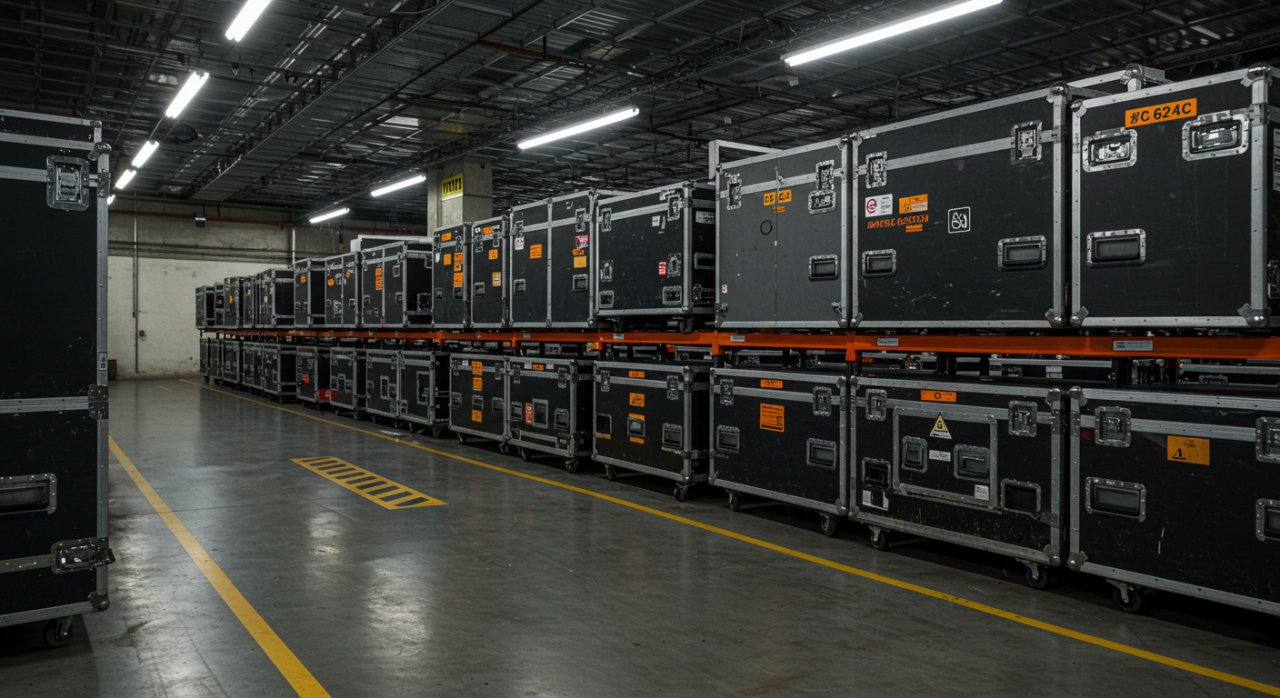
For an event equipment rental and technical production agency, managing equipment returns and asset recovery is a cornerstone of event employee offboarding logistics. When staff depart, especially those who handled specialized gear, a clear process for equipment retrieval is essential. This includes inventorying items, checking for damage, and ensuring all company-issued tools, devices, and accessories are returned. Establish a dedicated point person or department responsible for this. Implement a system for documenting the condition of returned items to avoid disputes. This also helps in scheduling maintenance or repairs as needed. Timely asset recovery prevents loss, reduces replacement costs, and ensures equipment is ready for the next event. It is also important to update asset registers to reflect the changes. This meticulous approach to asset management is vital for maintaining operational efficiency and financial integrity. It prevents costly errors and ensures your inventory is always accurate and available for future projects in Nairobi.
Finalizing Payroll and Benefits for Departing Event Staff
Accurate and timely finalization of payroll and benefits is a critical, and often sensitive, part of event employee offboarding logistics. Ensure that all outstanding wages, commissions, and accrued leave are calculated correctly and paid out according to Kenyan labor laws. Provide a detailed final payslip. Clearly communicate any information regarding pension contributions, health benefits, or other post-employment entitlements. Address any expense reimbursements promptly. Transparency and accuracy in this process are paramount to avoid legal issues and maintain a positive relationship with departing staff. Errors in final pay can lead to dissatisfaction and potential disputes. It is advisable to have a dedicated HR or finance professional oversee this aspect. They can ensure compliance with all regulations and company policies. This careful attention to financial details reflects professionalism and respect for your employees' contributions. It reinforces your reputation as a fair employer in Nairobi.
Post-Event Feedback and Performance Reviews for Departing Staff
Even during offboarding, there's an opportunity for valuable feedback. Conducting post-event performance reviews for departing staff, especially those on project-based contracts, can provide insights into their contributions and areas for improvement. This is distinct from an exit interview, focusing more on their operational performance during the event. Use this as a chance to acknowledge their efforts and provide constructive feedback. Similarly, the exit interview itself is a crucial mechanism. It allows employees to share their honest experiences, perceptions of the company culture, management effectiveness, and suggestions for improvement. This feedback is invaluable for refining your internal processes, improving employee retention strategies, and enhancing future event employee offboarding logistics. Analyze the trends in exit interview data to identify recurring issues or strengths. This continuous improvement loop is vital for any thriving event company in Nairobi. It helps you grow and adapt effectively.
Ensuring Legal Compliance in Event Employee Offboarding
Legal compliance is a cornerstone of responsible event employee offboarding logistics. In Kenya, adhering to labor laws regarding termination notices, severance pay (if applicable), and final wage payments is mandatory. Ensure all documentation related to the employee's departure is accurate, complete, and stored securely. This includes termination letters, release forms, and records of final payments. Be mindful of non-disclosure agreements (NDAs) or non-compete clauses that may apply, and remind departing staff of their obligations. It is crucial to handle sensitive information, such as personal data, in accordance with data protection regulations. Consult with legal counsel to ensure your offboarding procedures align with all local laws and industry best practices. Proper legal compliance protects your company from potential lawsuits and penalties. It also upholds your ethical standing in the business community. This meticulous approach is essential for any event company operating in Nairobi.