
The Crucial Role of Event Customer Relationship Management
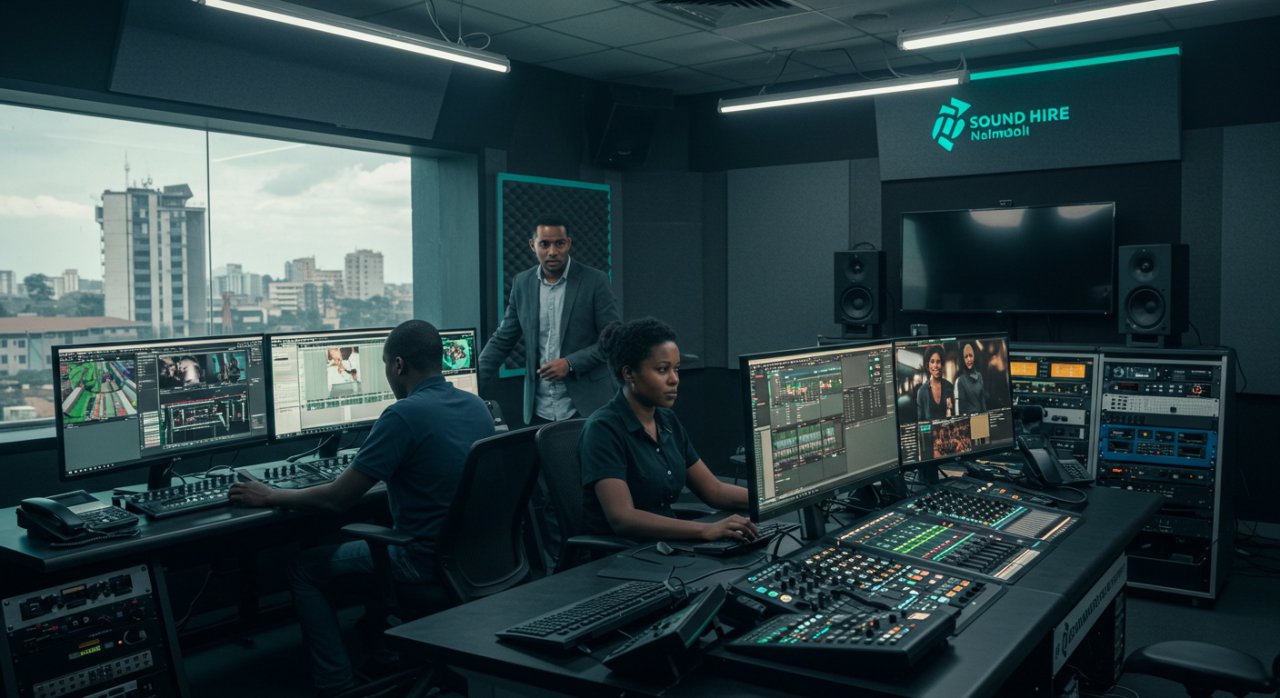
In the dynamic world of event planning, successful execution hinges not only on flawless technical production but also on exceptional attendee engagement. This is where event customer relationship management (CRM) becomes indispensable. It involves strategically managing interactions with current and potential event attendees, sponsors, and partners. Effective event customer relationship management ensures a personalized experience from initial contact through post-event follow-up. For event organizers in Nairobi, leveraging robust CRM logistics can significantly boost satisfaction, foster loyalty, and drive repeat business. Understanding the nuances of event customer relationship management allows businesses to anticipate needs, resolve issues proactively, and build lasting relationships within the bustling event scene of Nairobi. It's about creating a seamless and memorable journey for every individual involved, ensuring that every interaction contributes positively to their overall experience.
Foundations of Effective Event Customer Relationship Management
Effective event customer relationship management begins with a clear understanding of your audience. This involves collecting and analyzing data on attendee preferences, past interactions, and feedback. A centralized CRM system allows event organizers in Nairobi to consolidate this information, providing a comprehensive view of each customer. This holistic perspective is crucial for personalizing communications, tailoring event experiences, and identifying potential pain points before they escalate. Implementing a strong data privacy policy is also paramount to build trust with attendees. For instance, knowing that a particular attendee prefers vegetarian meals or has specific accessibility needs can transform their experience from ordinary to extraordinary. Sound Hire Nairobi understands the importance of these details, ensuring that our technical setups seamlessly integrate with your CRM efforts. Building strong relationships through meticulous data management forms the bedrock of successful event customer relationship management, leading to higher engagement and satisfaction rates in the competitive Nairobi market.
Leveraging Technology for Seamless Event CRM Logistics
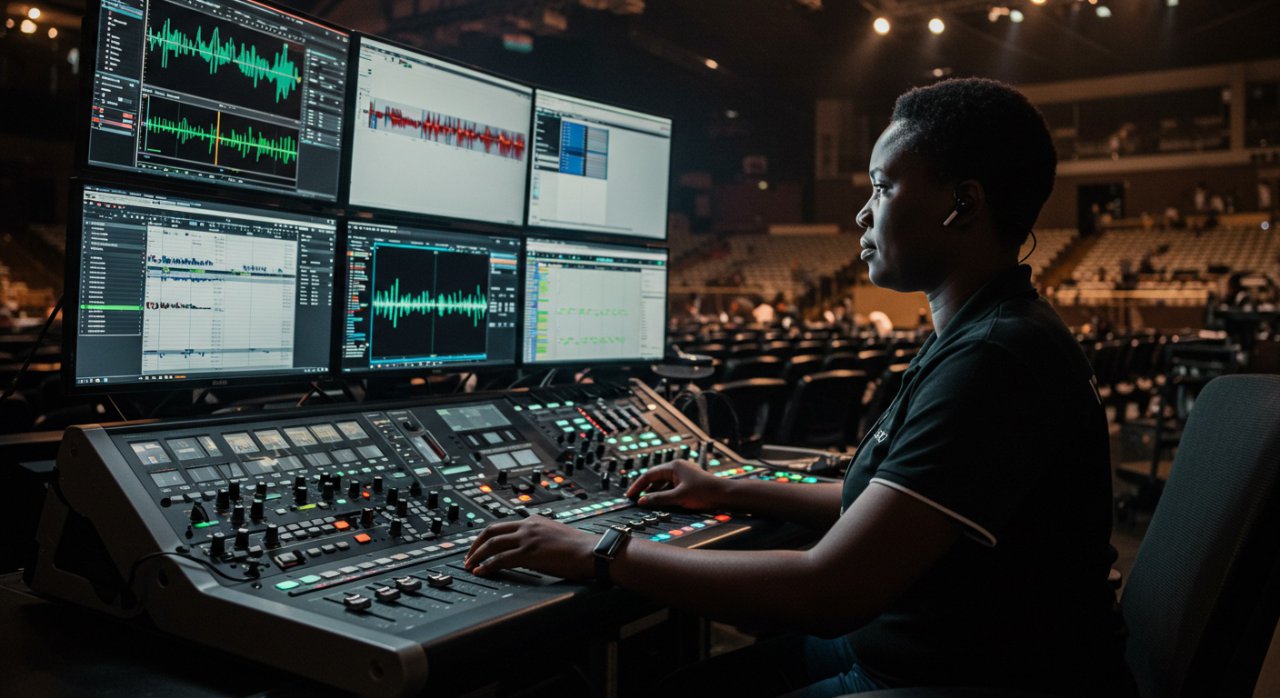
Modern event customer relationship management relies heavily on technology. Utilizing specialized CRM software designed for events can automate many manual processes, from registration and ticketing to email marketing and post-event surveys. These platforms often integrate with other event management tools, creating a unified ecosystem for managing all aspects of an event. For businesses operating in Nairobi, selecting a flexible and scalable CRM system is vital to accommodate events of varying sizes and complexities. Features like automated reminders, personalized communication sequences, and real-time analytics empower event professionals to engage with attendees more effectively and efficiently. The right technology streamlines workflows, reduces human error, and frees up valuable time for your team to focus on strategic planning and on-site execution. Sound Hire Nairobi provides cutting-edge audio-visual and staging solutions that can complement any advanced CRM setup, ensuring your technical delivery matches your sophisticated customer engagement. Investing in robust CRM technology is an investment in the future success of your events.
Personalization and Communication Strategies in Event CRM
Personalization is at the heart of successful event customer relationship management. Generic communications often fall flat; attendees today expect tailored messages that resonate with their interests and past behaviors. Utilizing CRM data, event organizers can segment their audience and craft highly targeted emails, offers, and content. This could involve sending specific session recommendations based on an attendee's registration choices or offering exclusive discounts to loyal customers. Multi-channel communication is also key, reaching attendees through their preferred platforms, whether it's email, SMS, or social media. Consistent and timely communication throughout the entire event lifecycle—pre-event, during the event, and post-event—builds anticipation, provides necessary information, and solicits valuable feedback. In Nairobi's diverse event landscape, understanding cultural nuances and communication preferences can further enhance your outreach. By focusing on personalized interactions, you transform attendees from mere participants into engaged advocates for your brand and future events.
Measuring Success and Continuous Improvement in Event CRM
To truly optimize your event customer relationship management efforts, continuous measurement and analysis are essential. Key performance indicators (KPIs) such as attendee registration rates, engagement levels, feedback scores, and post-event conversion rates should be regularly tracked. CRM systems provide valuable analytics dashboards that offer insights into what’s working and what needs improvement. Post-event surveys are critical for gathering direct feedback, allowing you to identify areas for enhancement in future events. Analyzing attendee journeys can reveal bottlenecks or opportunities for better engagement. For instance, if a significant number of registered attendees don't show up, your pre-event communication strategy might need adjustment. Sound Hire Nairobi is committed to providing reliable technical support that contributes to a smooth event experience, which in turn positively impacts attendee satisfaction metrics. Regular review meetings with your team to discuss CRM data and implement actionable insights will ensure your strategies evolve and improve over time, leading to more successful events in Nairobi.
Integrating Event CRM with Other Event Management Functions
For comprehensive event success, event customer relationship management cannot operate in isolation. It must be seamlessly integrated with other critical event management functions, including marketing, sales, registration, and on-site operations. When CRM data flows freely between these departments, it creates a unified and efficient workflow. For example, sales teams can leverage CRM insights to identify high-potential leads, while marketing can use attendee data to create more effective promotional campaigns for future events. On-site staff can access attendee profiles through the CRM system, allowing them to provide personalized assistance and quickly resolve issues. This integration ensures that every touchpoint, from initial interest to post-event follow-up, is informed and optimized. Sound Hire Nairobi’s technical production services are designed to integrate smoothly with your operational logistics, ensuring that the attendee experience from a technical standpoint is as polished as your CRM interactions. A holistic approach where CRM is the central nervous system connecting all event functions leads to superior outcomes and greater attendee satisfaction in Nairobi.
Challenges and Best Practices in Event CRM Implementation
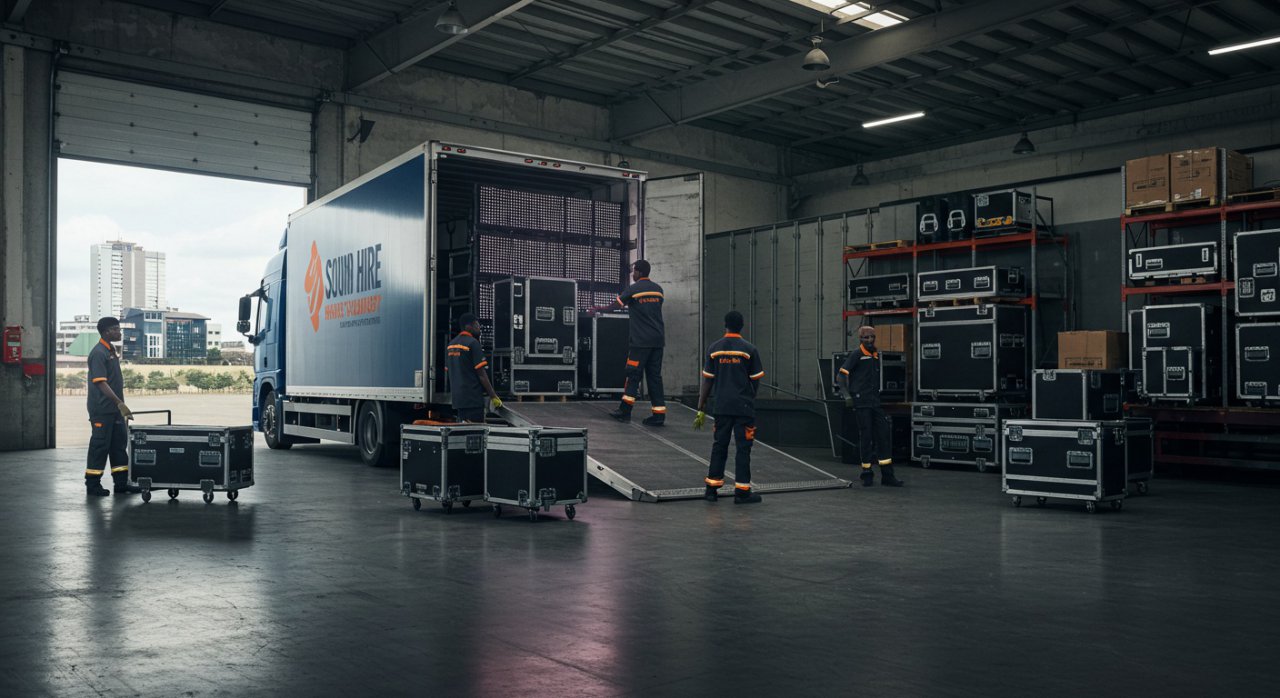
Implementing robust event customer relationship management in Nairobi can present certain challenges. Data silos, resistance to new technology, and lack of clear strategy are common hurdles. Overcoming these requires strong leadership, comprehensive training for staff, and a phased implementation approach. Best practices include defining clear CRM goals aligned with overall event objectives, choosing a CRM system that is user-friendly and scalable, and ensuring data accuracy and cleanliness. Regular data audits and updates are crucial to maintain the integrity of your customer information. Furthermore, fostering a customer-centric culture within your organization is paramount; every team member should understand their role in delivering an exceptional customer experience. Sound Hire Nairobi exemplifies a customer-first approach, providing reliable and professional event equipment rental services that support your overall customer satisfaction goals. By proactively addressing challenges and adhering to best practices, event organizers can unlock the full potential of their CRM efforts, transforming how they engage with their audience and achieve success in the competitive Nairobi event market.