
The Imperative of Event Conflict Resolution in Logistics Management
In the fast-paced and often high-pressure environment of event management, unforeseen challenges and disagreements are inevitable. The ability to effectively navigate these situations through robust **Event Conflict Resolution** strategies is crucial for maintaining seamless logistics and ensuring an event's success. From vendor disputes to team disagreements or issues with venue management, conflicts can quickly derail plans if not addressed promptly and professionally. Mastering **Event Conflict Resolution** allows professionals in Nairobi to identify root causes, mediate effectively, and implement solutions that uphold the event's objectives. It safeguards reputations and fosters a positive working environment. This skill is indispensable for any event professional.
Identifying Sources of Conflict in Event Logistics
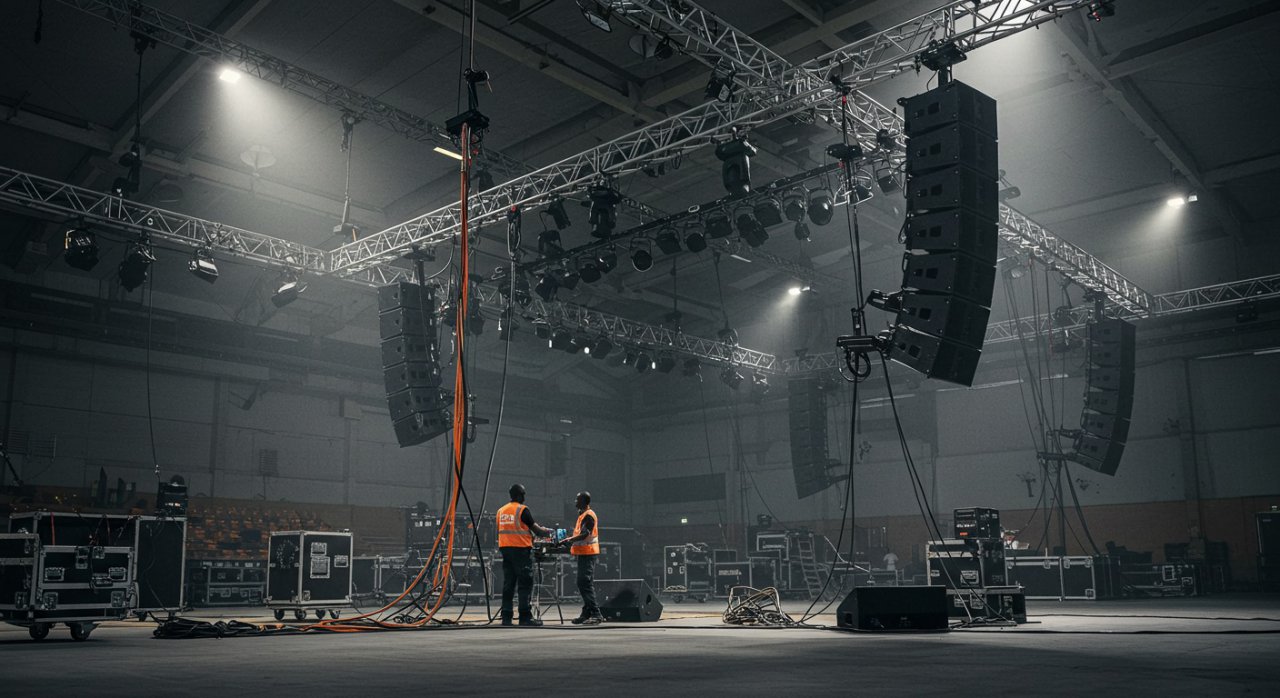
The first step in effective **Event Conflict Resolution** is accurately identifying the sources of conflict within event logistics. Conflicts can arise from miscommunication, differing expectations, budget constraints, resource allocation issues, or personality clashes. Common areas include discrepancies in equipment delivery, technical setup challenges, or last-minute changes to schedules. Proactive identification involves clear communication channels, regular check-ins with all stakeholders, and meticulous documentation of agreements. Understanding the specific trigger points for conflict allows event managers to implement preventative measures. It helps in developing targeted resolution strategies. Early detection is key to preventing minor disagreements from escalating into major problems. This approach ensures a smoother operational flow for any event.

Communication Strategies for De-escalation
Effective communication is paramount in **Event Conflict Resolution**. When a conflict arises, the immediate goal is de-escalation through clear and empathetic dialogue. This involves active listening to fully understand all perspectives involved, without interruption or judgment. Use 'I' statements to express concerns rather than accusatory 'you' statements. Maintain a calm and professional tone, even when faced with heated emotions. Focus on the problem at hand, not on personal attacks. Encourage open and honest dialogue, creating a safe space for all parties to express their views. Timely and transparent communication can often resolve misunderstandings before they escalate. It fosters a collaborative approach to problem-solving. This is vital for maintaining a productive environment.
Mediation Techniques for Event Disputes
When direct communication fails to resolve a conflict, mediation techniques become essential for **Event Conflict Resolution**. A neutral third party, often an experienced event manager or a dedicated mediator, can facilitate discussions between conflicting parties. The mediator's role is to guide the conversation, ensure fairness, and help both sides identify common ground. Techniques include paraphrasing to ensure understanding, reframing negative statements into constructive terms, and exploring various potential solutions. The goal is to reach a mutually agreeable outcome that addresses the core issues. Effective mediation can save valuable time and resources, preventing conflicts from disrupting the event timeline. It preserves relationships, which is vital in the close-knit event industry.
Stakeholder Management in Conflict Situations
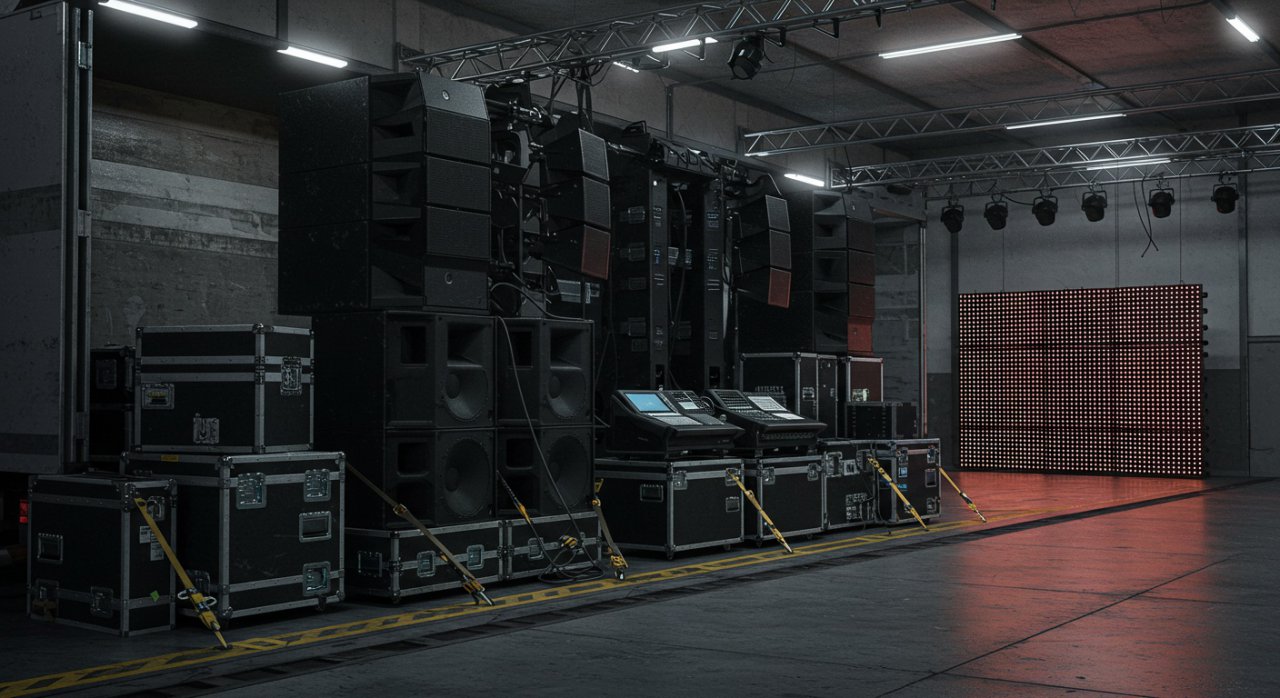
Managing diverse stakeholders during conflicts is a critical aspect of **Event Conflict Resolution**. Event logistics involve numerous parties: clients, vendors, venue staff, technical teams, and internal staff. Each group has unique interests and priorities. When conflicts emerge, it's important to consider the impact on all stakeholders and communicate transparently with relevant parties. Prioritize solutions that align with the overall event objectives while acknowledging individual concerns. For instance, if there's a technical issue with sound equipment provided by Sound Hire Nairobi, clear communication with the client, venue, and our technical team is essential. Balancing these varied interests requires diplomatic skill and a commitment to fairness. This ensures minimal disruption and maintains confidence.
Preventative Measures and Proactive Planning
The best form of **Event Conflict Resolution** is prevention. Proactive planning and establishing clear guidelines can significantly reduce the likelihood of conflicts arising. This includes detailed contracts with vendors, comprehensive project plans, clearly defined roles and responsibilities for team members, and regular progress meetings. Implement robust communication protocols and establish clear escalation paths for issues. For instance, ensuring all technical requirements are meticulously documented and confirmed with Sound Hire Nairobi before the event can prevent last-minute equipment conflicts. Creating a culture of open feedback and immediate issue reporting also helps. By anticipating potential problem areas, event managers can implement safeguards. This minimizes disruptions and fosters a more harmonious working environment.
Post-Conflict Review and Learning
After a conflict has been resolved, a crucial step in strengthening **Event Conflict Resolution** capabilities is conducting a thorough post-conflict review. This involves analyzing what caused the conflict, how it was handled, and what lessons can be learned for future events. Document the conflict, the resolution process, and the outcome. Gather feedback from all involved parties. Identify systemic issues or recurring patterns that might contribute to conflicts. Use these insights to refine policies, improve communication strategies, and enhance training for event staff. This continuous learning approach not only prevents similar conflicts in the future but also builds resilience and adaptability within the event management team in Nairobi. It transforms challenges into opportunities for growth.