
Understanding the Importance of Post-Event Analysis
Successfully executing an entertainment event in Nairobi is a significant achievement, but the journey doesn't end when the last guest leaves. A critical, often overlooked, phase is the entertainment event post event analysis. This detailed review process is vital for understanding what worked, what didn't, and how to improve for future endeavors. Sound Hire Nairobi, your premier technical production agency, emphasizes this step to ensure continuous growth and client satisfaction within Kenya's vibrant event scene. We believe that data-driven insights from a thorough analysis are the bedrock of exceptional event management.
Key Metrics for Entertainment Event Post Event Analysis
The first step in any robust entertainment event post event analysis involves identifying key performance indicators (KPIs). For entertainment events, these can range widely. Financial metrics are crucial; this includes a detailed review of ticket sales, sponsorship revenue, and expenditure against budget. Were there any unexpected costs? Did revenue meet or exceed projections? Attendance figures provide another vital data point. Understanding the actual number of attendees versus the target number helps gauge reach and popularity. Engagement metrics are also paramount. This can involve social media mentions, hashtag usage, website traffic during and after the event, and media coverage. For live performances, audience feedback surveys and direct testimonials offer invaluable qualitative data. Analyzing these metrics helps create a comprehensive picture of the event's success and areas for improvement. Our team at Sound Hire Nairobi helps clients track and analyze these critical numbers.
Gathering Feedback for Comprehensive Analysis
Gathering comprehensive feedback is essential for a meaningful entertainment event post event analysis. This feedback should come from multiple sources. Attendees are a primary source; post-event surveys are an excellent way to capture their experiences. Questions should cover aspects like the entertainment quality, venue, ticketing process, and overall satisfaction. Staff and volunteer feedback is equally important. They are on the ground and observe dynamics attendees might miss. Debrief sessions with your event team can uncover operational challenges and successes. Stakeholder feedback, including sponsors, vendors, and performers, provides a broader perspective on the event's impact and execution. Analyzing this collective feedback allows for a nuanced understanding of the event's strengths and weaknesses. Sound Hire Nairobi ensures that feedback mechanisms are integrated into our planning process for maximum insight.
Financial Review and Budget Reconciliation
A thorough financial review is a cornerstone of any post-event analysis. This involves comparing the actual spending against the initial budget. Detailed reconciliation of all invoices, receipts, and payment records is necessary. Identify any significant variances and understand the reasons behind them. Were costs higher than anticipated due to unforeseen circumstances, or was the initial budgeting inaccurate? Conversely, if costs were lower, was this due to efficient management or a reduction in scope? Revenue streams also need careful examination. Analyze ticket sales data, merchandise revenue, and any additional income generated. Did sponsorship targets align with actual commitments? This financial audit provides critical data for future budgeting and helps demonstrate the event's profitability or return on investment. Sound Hire Nairobi provides transparent financial reporting.
Operational Efficiency and Technical Performance
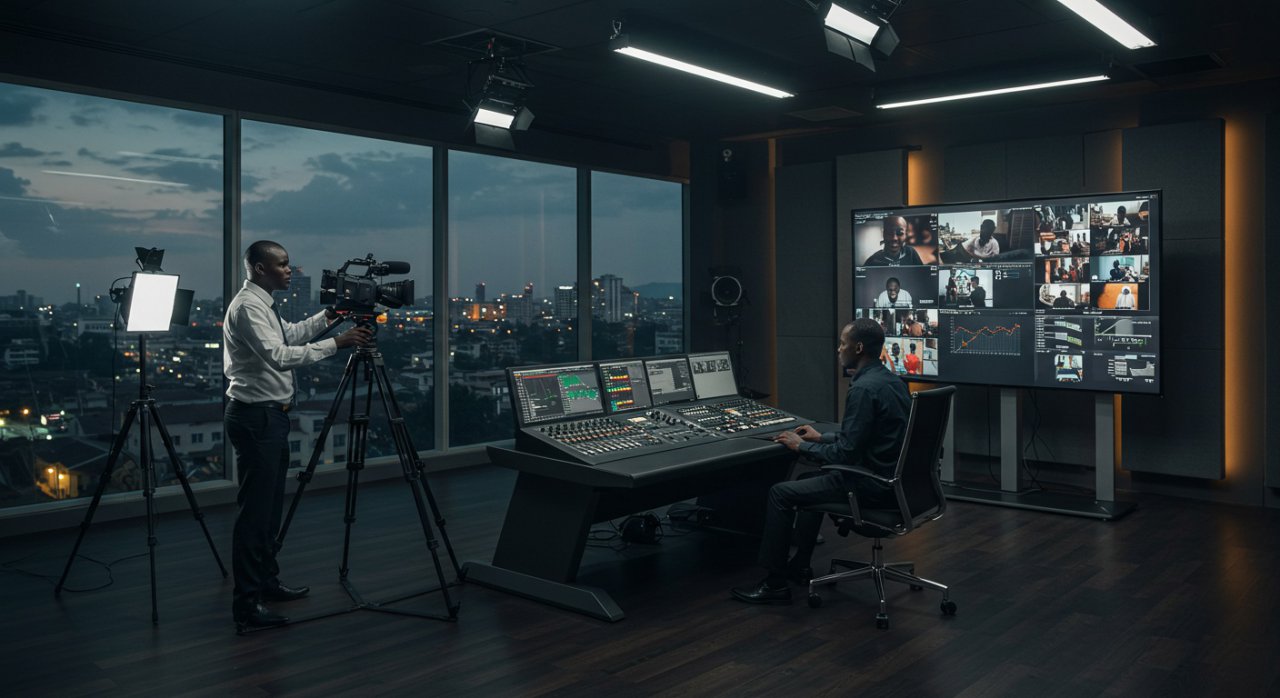
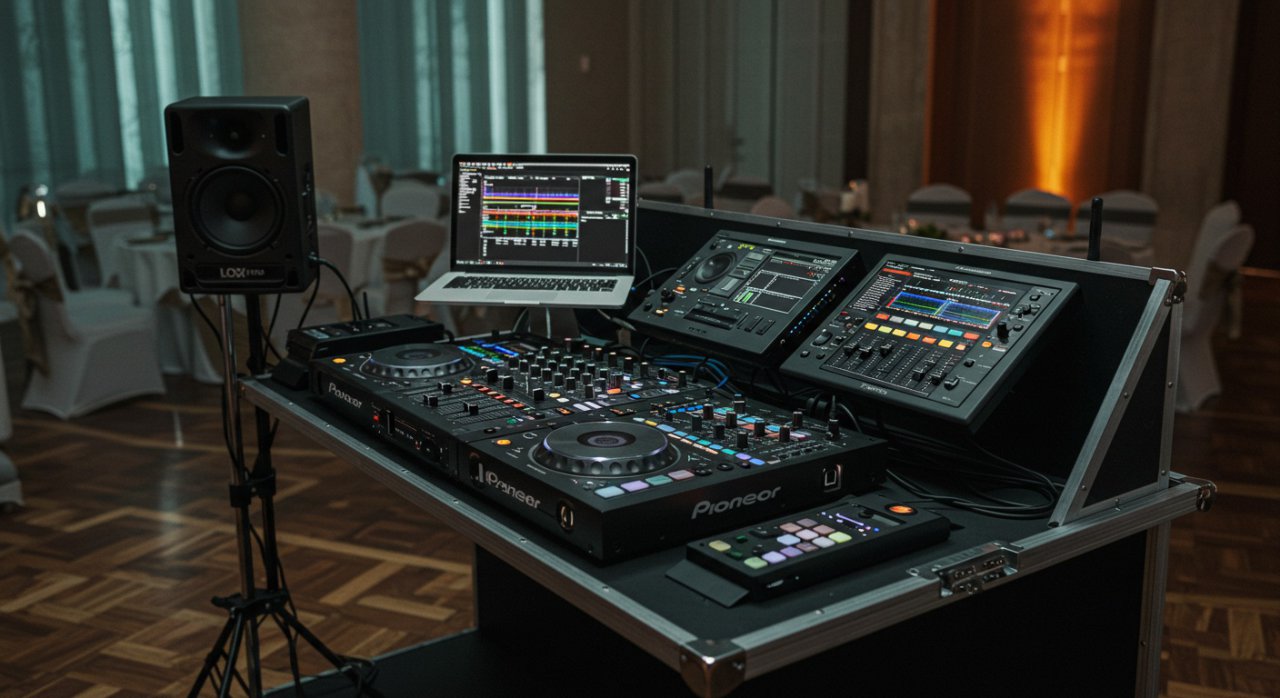
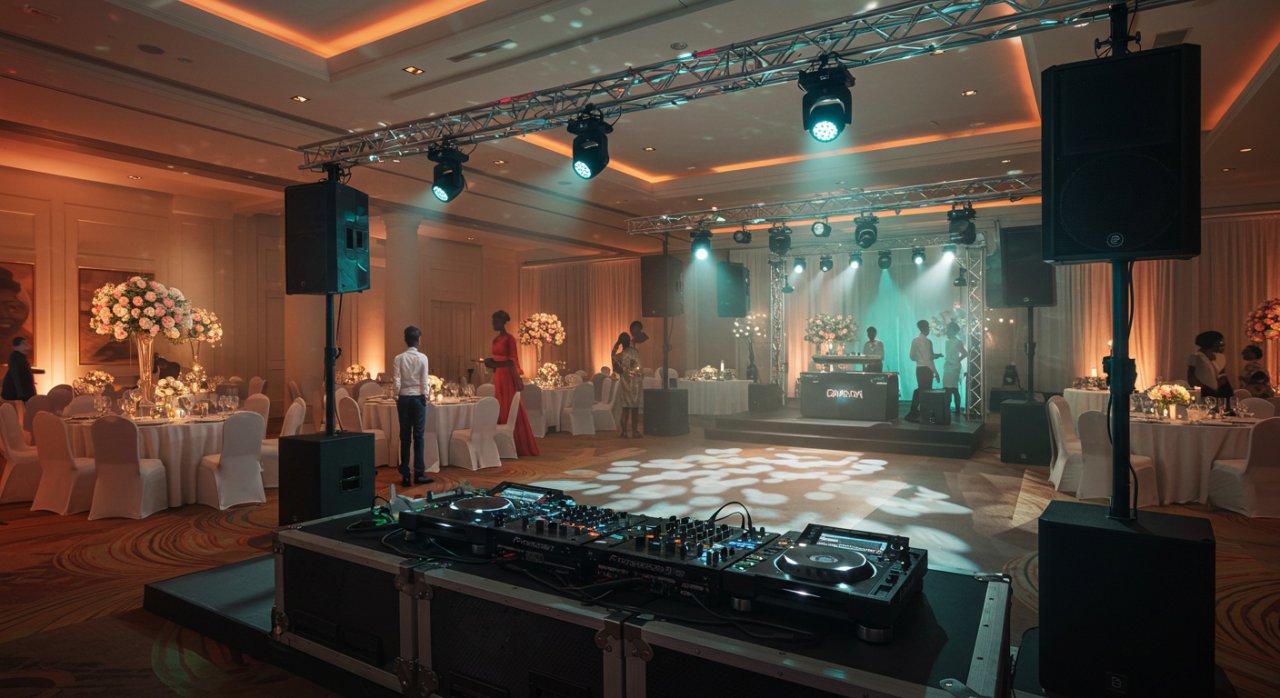
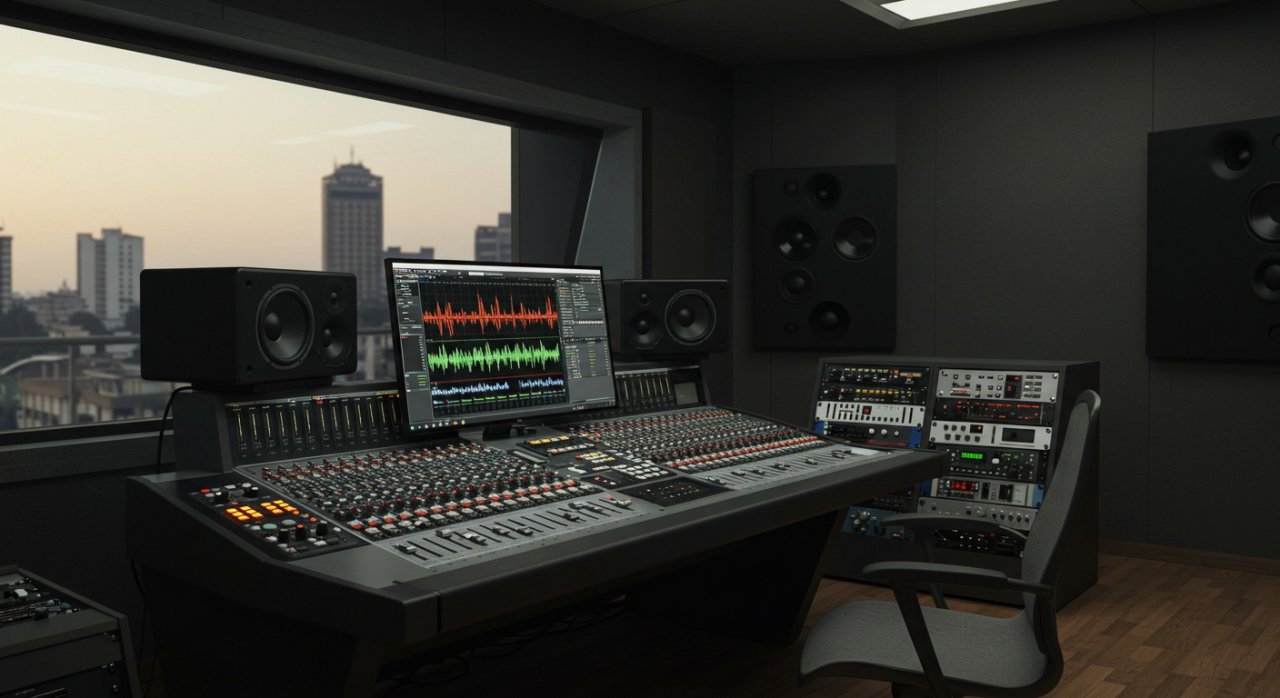
Beyond finances and attendee satisfaction, evaluating operational efficiency is key. This includes assessing the effectiveness of logistics, staffing, and vendor management. Were schedules adhered to? Were there any bottlenecks in entry or movement within the venue? How effectively were technical aspects handled? For Sound Hire Nairobi, this means looking at audio-visual equipment performance, stage management, lighting, and power supply. Were there any technical glitches? How quickly were they resolved? The seamless execution of technical elements is crucial for the overall attendee experience. A detailed review of these operational and technical aspects helps streamline processes for future events. It ensures that every element, from sound systems to staffing, contributes positively to the event's success.
Marketing and Communications Impact
The marketing and communications efforts surrounding an entertainment event deserve a dedicated section in the post-event analysis. Evaluate the effectiveness of your promotional strategies. Which channels generated the most ticket sales or awareness? Analyze website traffic, social media engagement, email marketing open and click-through rates, and media mentions. Did the messaging resonate with the target audience? Were there any unexpected PR opportunities or challenges? Understanding the ROI of marketing spend is crucial. This data helps refine future marketing plans, ensuring that resources are allocated to the most effective channels and tactics. For Sound Hire Nairobi, assessing how our technical production contributed to the event's visual appeal and promotion is also part of this evaluation.
Lessons Learned and Future Recommendations
The ultimate goal of an entertainment event post event analysis is to distill actionable insights and lessons learned. This involves summarizing the findings from all previous sections – financial, operational, technical, marketing, and feedback. Identify the key successes that should be replicated and the challenges that need to be addressed. Develop concrete recommendations for future events. These might include suggestions for improving vendor selection, refining marketing campaigns, optimizing technical setups, or enhancing attendee experience. Documenting these lessons learned creates a valuable knowledge base for your organization. It ensures that each event contributes to a continuous cycle of improvement, leading to increasingly successful and impactful entertainment experiences in Nairobi and beyond.