The Crucial Role of Strategic Layout in Conferences
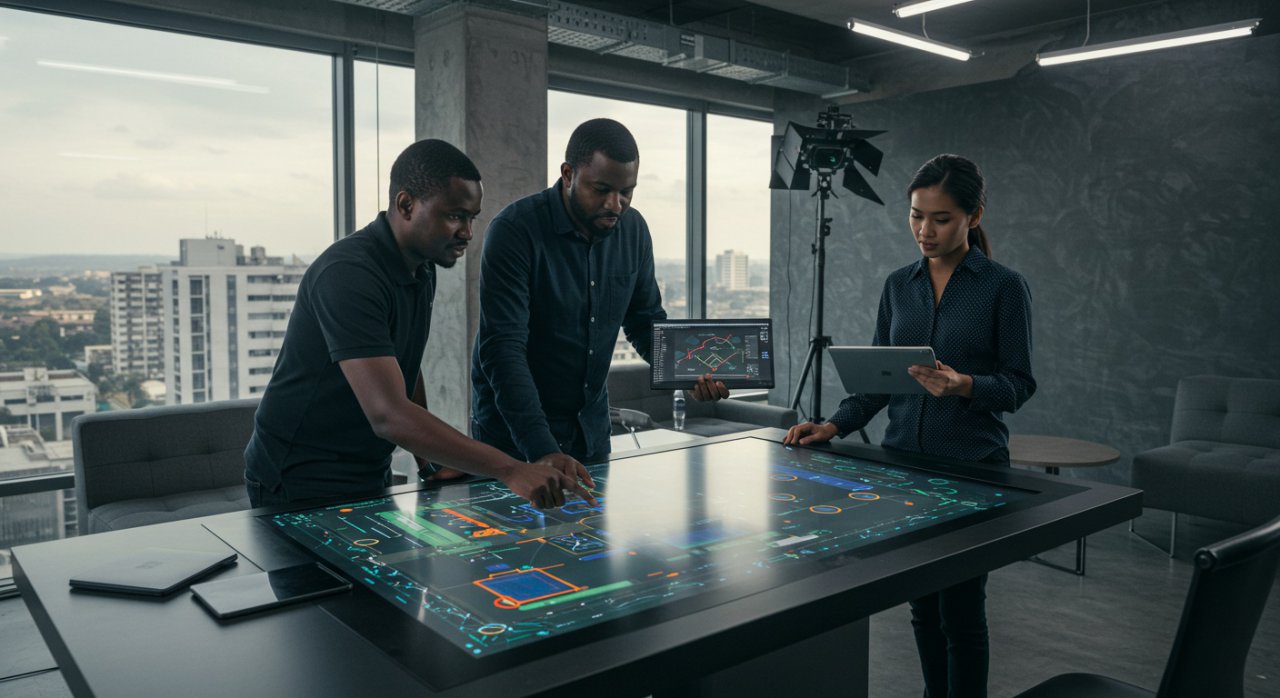
Successful conferences in Nairobi hinge on meticulous planning, and at its core is effective conference venue layout planning. A well-designed layout is not merely about aesthetics; it profoundly impacts attendee experience, engagement, and the overall efficiency of your event. From the moment guests arrive, their journey through the venue should be seamless and intuitive. This includes easy navigation to registration, breakout sessions, and networking areas. Poor layouts can lead to confusion, bottlenecks, and a diminished perception of your event. Understanding the flow of people and activities is paramount. Our expertise ensures every aspect of your conference venue layout planning is optimized for success. We focus on creating environments that facilitate learning and interaction.
Understanding Your Conference Objectives and Audience
Before any physical layout is designed, a deep understanding of your conference objectives is essential. What do you aim to achieve with this event? Is it primarily for networking, knowledge dissemination, or product showcasing? The answer to this question will dictate many design choices. For instance, a networking-focused event might prioritize open spaces and collaborative zones. Conversely, a knowledge-sharing conference will emphasize comfortable seating and clear sightlines to presentation stages. Knowing your target audience is equally critical for effective conference venue layout planning. Are they executives, students, or a mix of professionals? Their age, preferences, and physical needs will influence seating arrangements, accessibility, and even the placement of amenities. Consider their comfort and potential long hours of sitting. This initial phase of conceptualization is foundational. It ensures that every subsequent design decision aligns with your strategic goals. Without clear objectives, the layout risks being generic and ineffective. Our team helps you define these parameters clearly. We translate your vision into a functional and inviting space.
Key Elements of Effective Conference Layout Design
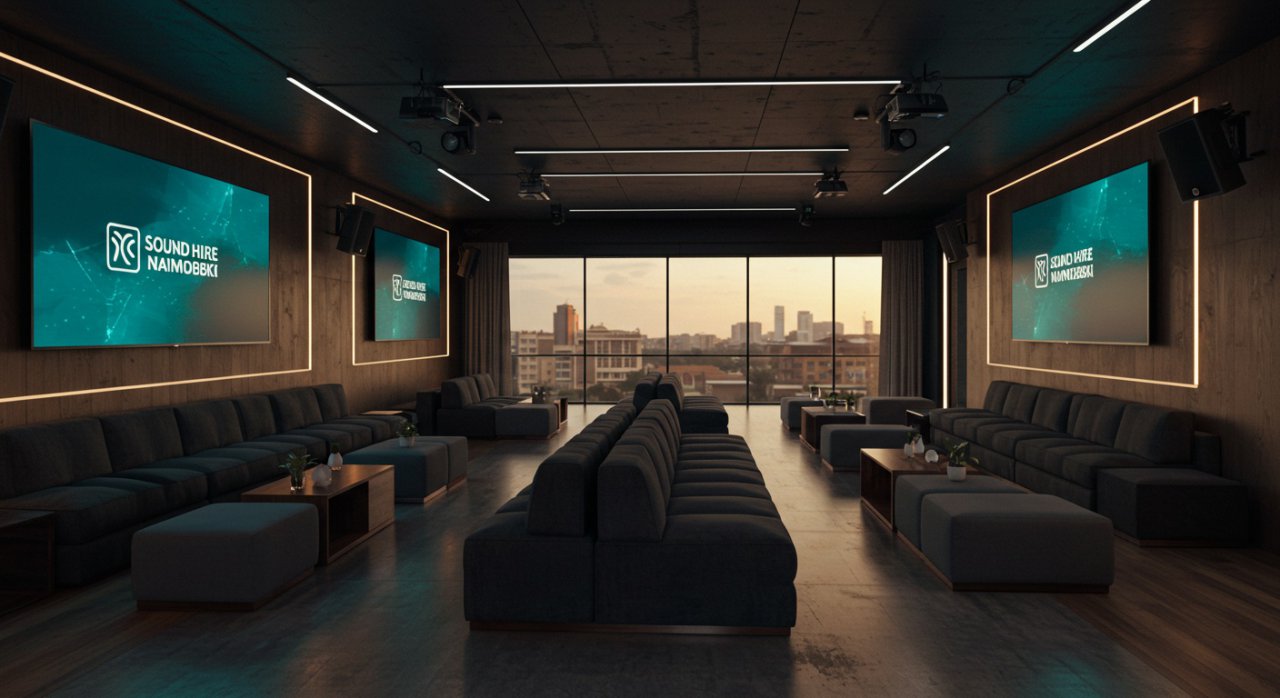
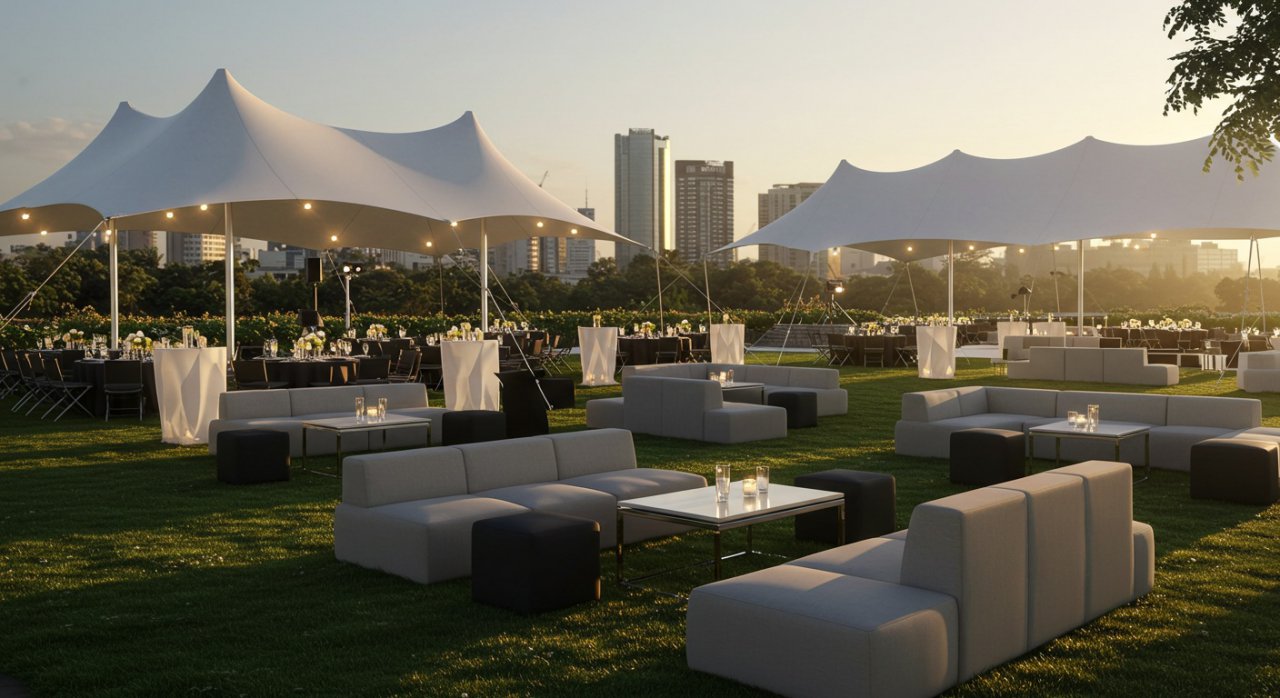
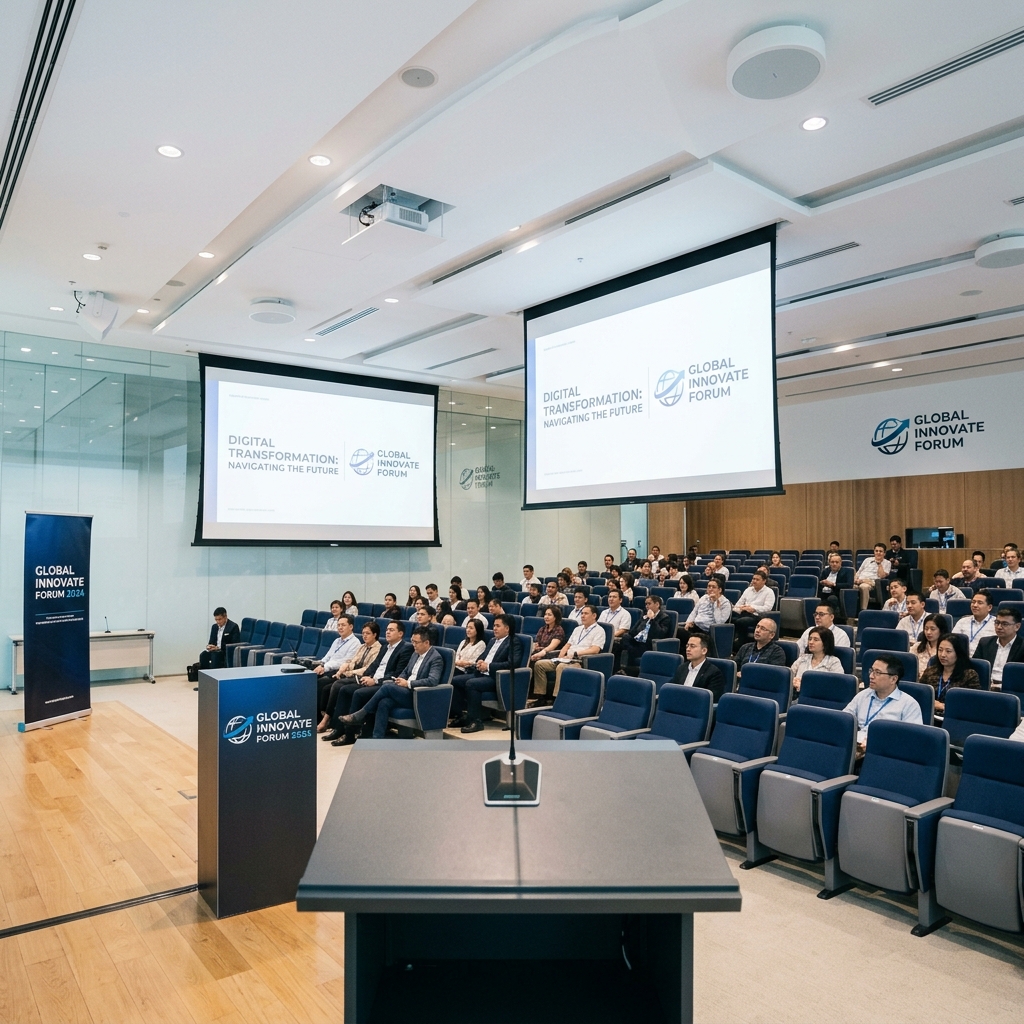
Effective conference venue layout planning involves several interconnected elements. The main plenary hall design is central, considering stage visibility, screen placement, and audience capacity. Seating arrangements within this space can vary, from theatre style for large presentations to cabaret style for interactive workshops. Breakout rooms require flexible setups that can be reconfigured quickly for different session formats. These smaller spaces are vital for deeper engagement and specialized discussions. Registration areas must be efficient and welcoming, designed to minimize queues and provide clear directional signage. Networking zones should encourage interaction, perhaps with comfortable lounge seating and accessible refreshment stations. Catering areas need to be strategically placed to handle traffic flow during breaks. Adequate space for food and beverage stations is crucial. Restrooms and emergency exits must be clearly marked and easily accessible. Every element contributes to the overall attendee experience. Planning for these details prevents last-minute issues. We meticulously plan each zone for optimal functionality.
Leveraging Technology for Enhanced Layouts
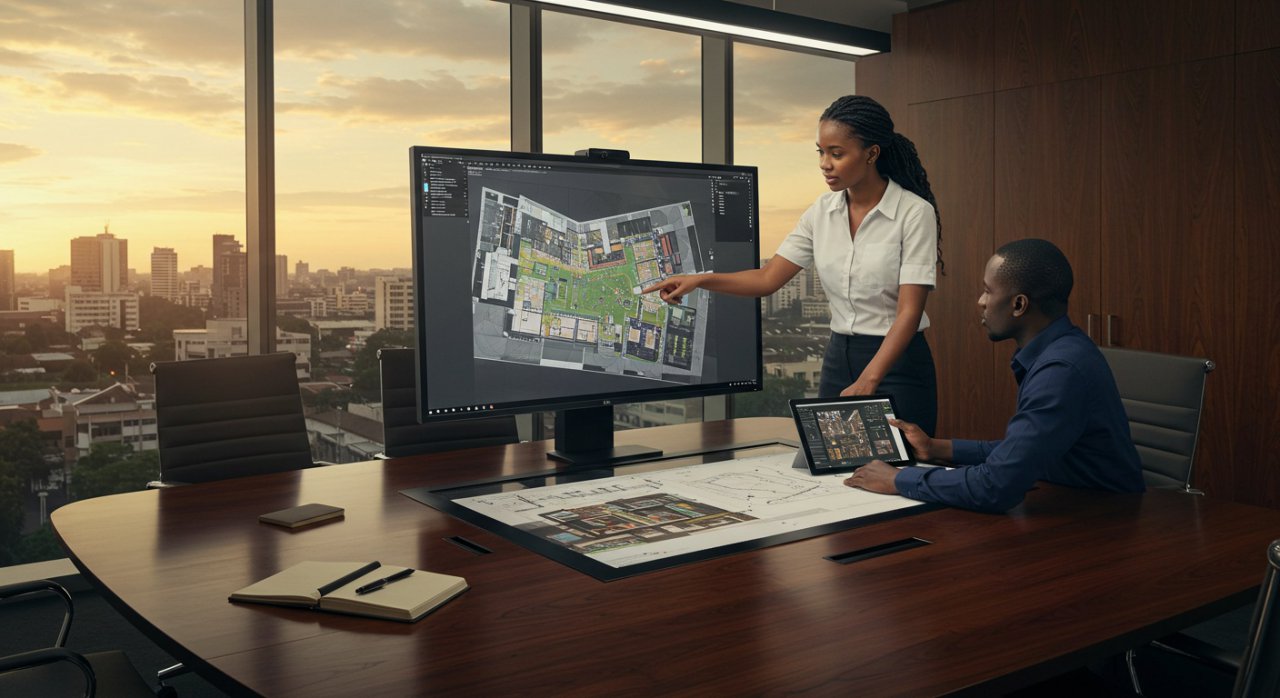
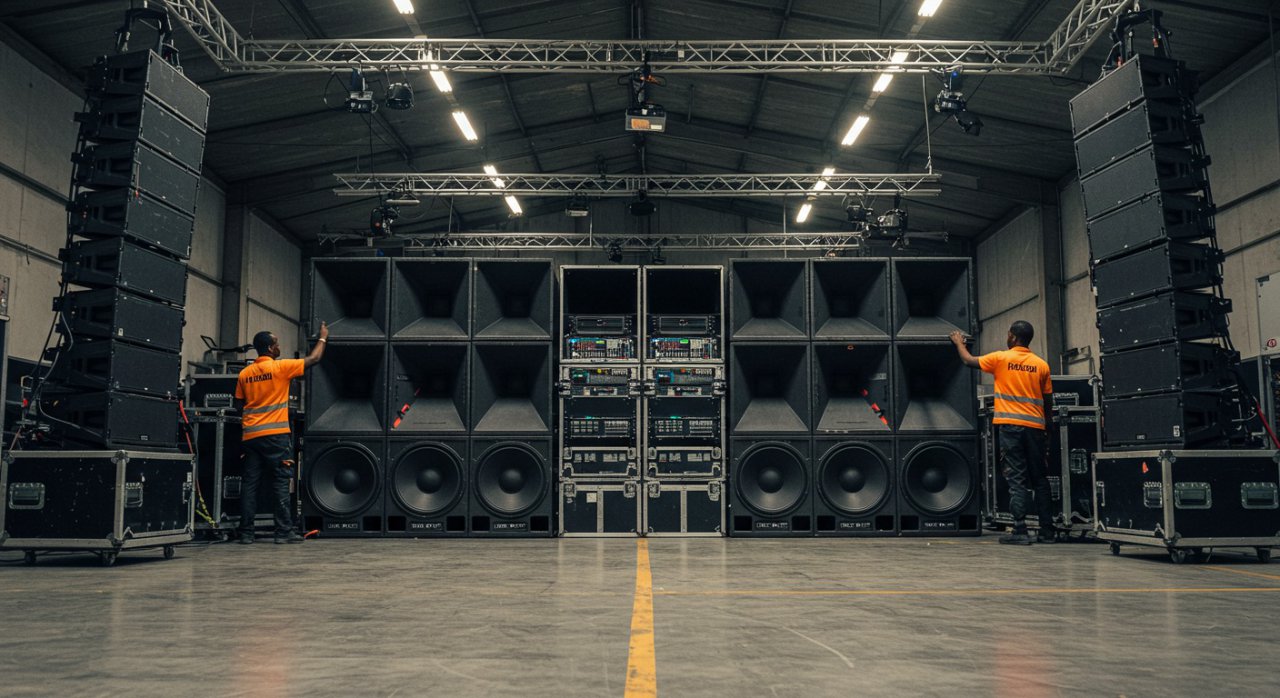
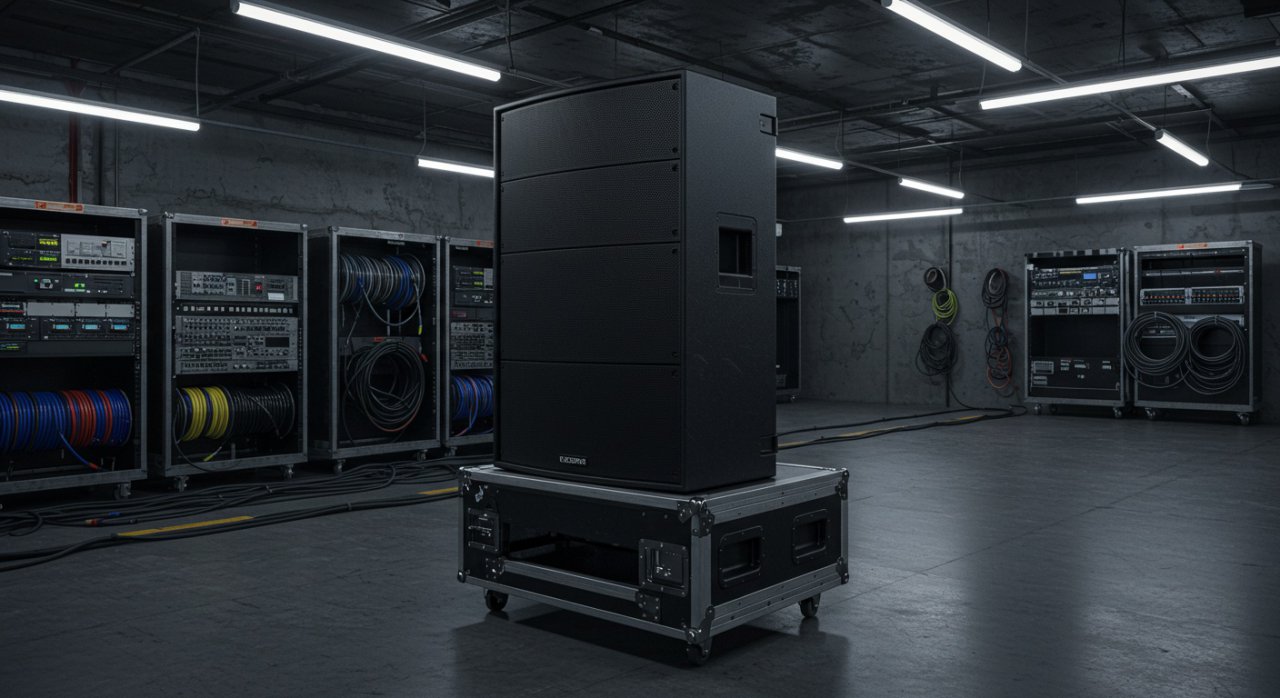
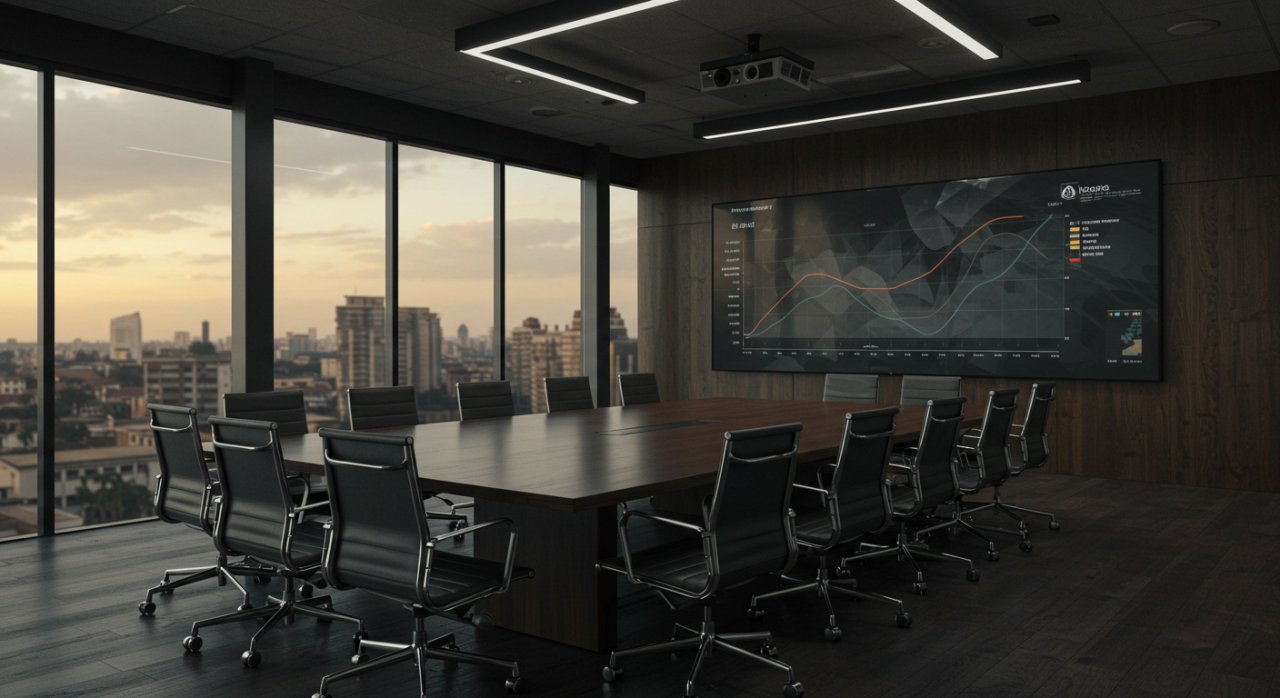
Technology plays a transformative role in modern conference venue layout planning. Advanced audio-visual (AV) equipment is indispensable for impactful presentations. This includes high-definition projectors, large LED screens, and robust sound systems that ensure every word is heard clearly. The placement of these AV components must be considered during the initial layout design to avoid obstructions. Power distribution is another critical aspect; attendees will bring multiple devices requiring charging, so accessible power outlets are a must. Wi-Fi connectivity is no longer a luxury but a necessity for seamless event participation. Event apps can provide digital maps and schedules, helping attendees navigate the venue effortlessly. This reduces the need for excessive physical signage. Interactive displays and kiosks can enhance engagement and provide information. Incorporating these technological elements from the outset ensures a smooth and modern conference experience. We integrate cutting-edge technology into every layout. This enhances both functionality and attendee satisfaction.
Accessibility and Inclusivity in Venue Layout
A truly successful conference layout must prioritize accessibility and inclusivity. This means designing spaces that are welcoming and usable for all attendees, regardless of their physical abilities. Ramps and elevators must be available for wheelchair users, with clear pathways free of obstructions. Seating arrangements should include designated spaces for individuals using wheelchairs or requiring extra legroom. Restrooms should be accessible and clearly marked. Signage should be clear, large, and placed at appropriate heights. Consider incorporating sensory-friendly zones for attendees who might be sensitive to noise or crowds. Providing quiet spaces can significantly enhance comfort for some participants. Ensuring adequate lighting throughout the venue is also important for visibility. By focusing on these details during conference venue layout planning, you create an environment where everyone feels comfortable and valued. This commitment to inclusivity enhances your event's reputation. It also expands your potential audience.
Logistical Considerations and Flow Management
Effective logistical planning is paramount for smooth conference operations. This includes anticipating and managing attendee flow throughout the venue. Clear signage and wayfinding are crucial to guide attendees between sessions, exhibition areas, and refreshment zones. Staffing levels should be adequate to assist with directions and manage crowd movement. Emergency exits and evacuation routes must be clearly marked and kept free of obstructions. Security checkpoints and bag checks need to be integrated into the entrance flow without creating bottlenecks. Delivery and loading dock access must be planned to avoid disrupting attendee movement. The layout should facilitate efficient movement of catering staff and technical teams. This ensures prompt service and setup. Consider the placement of waste bins and recycling stations for environmental responsibility. Proper logistical planning during conference venue layout planning minimizes stress for both organizers and attendees. It ensures a safe and orderly event experience.
Partnering with Experts for Seamless Execution in Nairobi
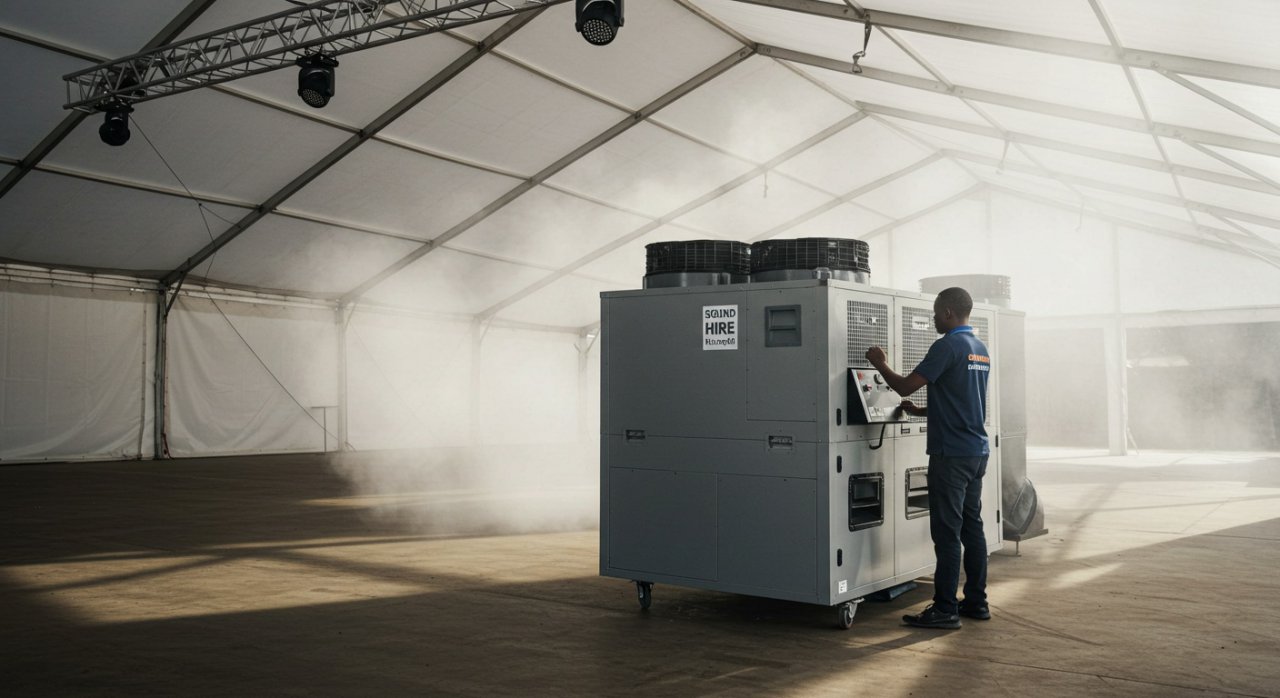
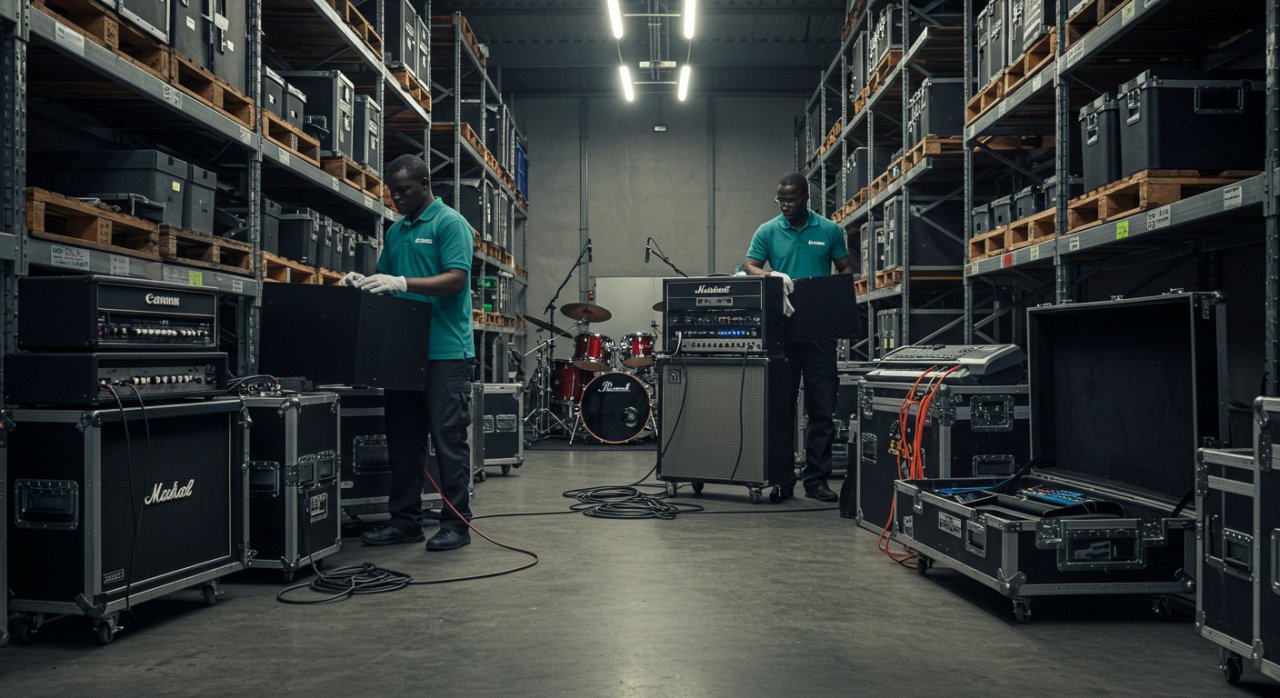
Executing flawless conference venue layout planning in Nairobi requires specialized expertise. Partnering with a reputable event equipment rental and technical production agency like Sound Hire Nairobi is a strategic move. We bring years of experience in transforming venues into dynamic and functional conference spaces. Our team understands the nuances of local venues and can advise on the best layouts for various event sizes and types. From initial consultation to on-site execution, we manage all technical aspects, including sound, lighting, AV, and staging. We provide state-of-the-art equipment that enhances your event's professionalism. Our comprehensive services ensure that every detail, from power distribution to seating arrangements, is handled with precision. By entrusting your layout planning to experts, you can focus on the content and engagement of your conference. This partnership guarantees a seamless and memorable experience for your attendees. Contact Sound Hire Nairobi today to discuss your next conference in Nairobi.